
 Store
Locator
Store
Locator

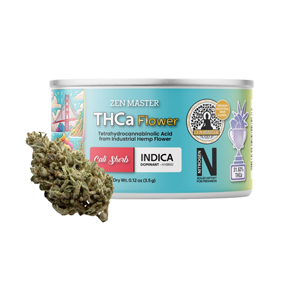
Hemp Derived Delta 9 (Hemp Derived THC)
Hemp-derived Delta 9 (hemp-derived THC) is a psychoactive compound sourced from the hemp plant. It comes from either the natural extraction of hemp flowers or the chemical conversion of CBD through isomerization. The resulting compound is chemically identical to the delta-9 tetrahydrocannabinol (THC) found in cannabis but is regulated differently due to its hemp origin. This process differs from the conversion of THCa in cannabis flower, which transforms into delta-9 THC only through decarboxylation with heat.
Hemp-derived delta-9 products meet federal standards when produced under GMP controls and within the limits of the 2018 Farm Bill, which caps delta-9 THC content at 0.3% by dry weight. Some states (Idaho, Colorado, North Dakota, and Oregon) have enacted stricter regulations that may prohibit or limit these products. State laws must be verified before purchase.
Effects of hemp-derived delta-9 THC are similar to cannabis THC, including altered perception, support for relaxation, and increased appetite. Understanding what D9 THC is means recognizing its role as a psychoactive component of cannabis. Effect strength depends on the amount and product format. Gummies containing 5–10 mg may feel strong for new consumers. Consumers must start with a low amount and wait before taking more. Lab-tested products with Certificates of Analysis (COAs) help confirm THC levels and check for contaminants (pesticides or residual solvents). Labels must indicate whether THC was extracted from hemp or converted from CBD. Trustworthy brands follow labeling guidelines and offer responsive customer service.
Many people choose hemp-derived delta-9 products to support relaxation, promote better nighttime habits, or maintain their appetite. Effects can vary from person to person. THC may appear on drug tests and may cause dry mouth, lightheadedness, or discomfort at higher amounts. Check with a healthcare professional before use.
What is Hemp Derived THC?
Hemp-derived THC is a form of tetrahydrocannabinol extracted from hemp plants, which are legally defined in the U.S. as cannabis plants containing no more than 0.3% delta-9 THC by dry weight. Federal law differentiates hemp from cannabis based on a lower THC limit. The molecule THC, or delta-9-tetrahydrocannabinol, is chemically the same whether it comes from hemp or cannabis.
Manufacturers extract and concentrate THC into forms (oils, gummies, and vape products) once the hemp meets legal thresholds. The starting plant contains trace amounts of THC. The concentrated profile is produced from federally compliant hemp extract when CBD undergoes chemical conversion to THC via isomerization. The method allows potent THC products while remaining within legal guidelines if the original hemp source complies.
Hemp-derived THC provides a legal means to experience psychoactive effects in states where cannabis remains illegal. Products with delta-8, delta-10, and hemp-based delta-9 THC are available. Product quality varies, and buyers must verify third-party lab testing and ensure products originate from trusted brands.
How is Delta 9 Made?
Delta-9 is made by extracting it directly from cannabis or hemp plants, where it naturally occurs in the flower’s resin glands. Delta-9 THC is abundant in cannabis and extracted easily with CO₂ or ethanol methods. Hemp, legally limited to 0.3% delta-9 THC by dry weight, requires plant material in usable amounts. The compound undergoes purification and is added to products like edibles or oils, provided that THC complies with legal limits based on the total product weight.
Delta-9 forms through isomerization, where CBD from hemp converts into delta-9 THC. The process requires heat and acidic catalysts to rearrange the CBD molecules into delta-9. The compound is chemically identical to natural delta-9 and shares a similar molecular structure with plant-derived delta-9 THC. The method yields higher-concentration formulations using CBD Isolate, but raises legal controversy.
The source and method of production matter. Federal rules classify hemp-derived products as compliant when delta-9 THC remains ≤0.3 % by dry weight in the final product. Current DEA guidance has described delta-9 generated via isomerization as subject to federal control.
Producers extract delta-9 from hemp using supercritical CO₂ or ethanol extraction, followed by filtration and refinement to isolate the cannabinoid. Hemp contains low THC levels, requiring large quantities of plant material. Delta-9 is measured and added to products after extraction, ensuring compliance with the 0.3% THC legal limit through small amounts in gummies or tinctures.
Is Delta-9 THC synthetic?
No, Delta-9 THC is not synthetic when it is naturally extracted from cannabis or hemp plants. Delta-9 THC is a cannabinoid in the flowers and resin glands of cannabis and hemp. Delta-9 THC forms through natural biosynthesis and delivers the characteristic uplift linked to traditional cannabis. Delta-9 THC undergoes chemical conversion, transforming CBD Isolate into delta-9 via isomerization. The resulting molecule remains chemically identical to natural delta-9. The current DEA guidance has indicated that isomerized delta-9 may fall under the definition of a controlled substance. Federal law permits hemp-derived delta-9 ≤0.3 % THC by dry weight, and state rules may vary, provided it remains within the 0.3% THC dry weight limit. Synthetic cannabinoids, which do not occur naturally and are entirely lab-created, are generally classified as Schedule I substances.
How much THC is in Delta 9?
Delta-9 THC refers to a single, well-defined cannabinoid molecule. Delta-9 THC is the primary cannabinoid linked to cannabis’ characteristic uplift when isolated in pure form. Gummies, tinctures, and vape oils have concentration limits dictated by legal regulations and formulation standards. The 2018 Farm Bill permits hemp-derived products to contain .3 delta 9 THC or less by dry weight for legality, under U.S. federal law. For example, a 5-gram gummy may hold as much as 0.3 % delta-9 THC by weight (0.3% of 5,000 mg), despite the THC remaining 100% delta-9. Cannabis-derived products feature much higher delta-9 THC concentrations. Cannabis flowers contain 15% to 30% delta-9 THC by weight. Some concentrates exceed 70 % overall THC content.
Are Delta 9 Vapes Safe?
Properly made delta-9 vapes pass third-party quality tests. Delta-9 THC is a cannabinoid in cannabis and hemp. Delta-9 THC serves as the primary psychoactive compound associated with cannabis effects. Delta-9 THC in vape products exists as an oil or distillate vaporized for inhalation. The safety of delta-9 vapes relies on product manufacturing, including THC purity, absence of harmful additives, and rigorous testing for contaminants like heavy metals, residual solvents, and pesticides. Hemp-derived delta-9 vapes must contain no more than 0.3% delta-9 THC by dry weight to comply with the 2018 Farm Bill. Certain products use large total weights, like heavy gummies or large vape cartridges, which deliver significant THC amounts while remaining federally legal. Cannabis-derived delta-9 vapes contain THC concentrations of 70 to 90% and are legal only in states with legalized recreational or medical cannabis. Third-party lab testing verifies purity and contaminant limits. Unregulated vape formulas have been associated with lung injury. Purchase delta-9 vapes only from licensed brands providing full Certificates of Analysis (COAs) and avoid unverified sources.
Where does Delta 9 Come From?
Delta-9 comes from the cannabis plant, specifically from the resin glands (trichomes) on the flowers of the cannabis and hemp varieties of Cannabis sativa L. Cannabis naturally forms THCA, which generates the characteristic uplift after heat activation through decarboxylation. Cannabis plants contain 15 to 30% delta-9 THC. Hemp includes a maximum of 0.3% delta-9 THC by dry weight, as mandated by U.S. federal law. Delta-9 THC appears the same despite concentration differences. Methods like CO₂ or ethanol extract of delta-9. Current DEA guidance suggests that isomerized delta-9 may be considered a controlled substance. Federal rules permit hemp products ≤ 0.3 % delta-9 THC; state limits differ, and state laws vary.
Is Hemp Derived THC safe?
Product quality depends on reputable manufacturing and verified lab testing. Hemp-derived THC originates from the hemp variety of the cannabis plant, defined by U.S. federal law as having no more than 0.3% delta-9 THC by dry weight. Hemp is a natural source of cannabinoids, including THC and CBD. Extracting THC from hemp flowers yields small amounts, but a chemical process known as isomerization converts CBD from CBD isolate into delta-9 THC or other variants like delta-8. Hemp-derived THC Product integrity reflects extraction methods and contaminant screening. Reputable producers utilize clean methods like CO₂ or ethanol extraction, ensuring their products remain free of solvents, pesticides, and heavy metals. Legitimate brands provide third-party lab testing or Certificates of Analysis that confirm purity and potency. The 2018 Farm Bill allows hemp-derived THC as long as the product contains 0.3% or less delta-9 THC by dry weight. Federal rules allow interstate shipment, while individual states set additional limits on formats like edibles or vapes, provided they meet compliance standards. State laws vary, with some restricting or banning specific hemp-derived THC products despite federal legality.
Are Delta 9 Gummies Safe?
Product integrity improves when trusted manufacturers follow current Good Manufacturing Practice (cGMP) and publish complete lab results, clearly labeled, and consumed responsibly. Delta-9 gummies are edible products containing delta-9 THC, the main psychoactive compound in cannabis. Safety depends on verified potency, ingredient transparency, and product quality. Reputable brands provide third-party lab reports and Certificates of Analysis confirming THC content and the absence of harmful contaminants like pesticides, heavy metals, and residual solvents. Verify these reports before purchasing. Excess intake may lead to temporary discomfort, such as increased heart rate or feelings of unease or restlessness. Gummies take 30 to 90 minutes to take effect, leading consumers to take more too soon. New consumers often begin with a modest serving and allow full onset before considering another, and wait before increasing the serving size. Purchase Delta-9 gummies only from licensed, transparent producers. Companies adhere to proper extraction processes and ensure products meet legal THC limits. Hemp-derived gummies must contain a maximum of .3 delta 9 THC by dry weight. Avoid unregulated or homemade products, which lack accurate servings and proper testing, especially when selecting Delta 9 Gummies for Sleep.
What makes Hemp-Derived Delta 9 Legal?
Federal law allows hemp products that meet the 0.3 % delta-9 THC dry-weight limit. Legality depends on THC's source, which must be legally defined as hemp rather than cannabis. The 2018 Farm Bill reclassified hemp as an agricultural commodity and excluded it from the Controlled Substances Act, provided it does not exceed 0.3% delta-9 THC by dry weight. Hemp items remain federally lawful when delta-9 THC stays ≤ 0.3 % on a dry-weight basis. The source plant determines its legality. Hemp-derived delta-9 is federally permitted, yet state rules differ. Cannabis-sourced THC exceeds 0.3 % and remains a Schedule I substance at the federal level, and only allows legal sales in states with cannabis legalization. State laws vary, and hemp-derived delta-9 is federally legal, but certain states impose strict regulations or outright bans on psychoactive hemp products. Several states (Idaho and Utah) enforce additional hemp-THC limits; check current rules, even if products meet federal THC limits under the 2018 Farm Bill.
Is Hemp THC the Same as Cannabis THC?
No, hemp THC is not the same as cannabis THC under federal law. Hemp and cannabis are two varieties of the Cannabis sativa plant. Cannabis is grown for its high delta-9 THC content, while hemp is cultivated for industrial uses and must contain no more than 0.3% delta-9 THC by dry weight.
Delta-9 THC can be extracted from the flowers of hemp and cannabis. Some producers use a conversion process to create delta-9 THC from hemp-derived CBD. The resulting compound is chemically identical regardless of the source.
Federal law defines hemp based on THC content, not chemical identity. Hemp products can legally contain high total amounts of THC when measured by dry weight, especially in concentrated forms like edibles. Legal classification is based on THC concentration and plant source, per federal guidelines.
Can Hemp-Derived Delta 9 Produce Psychoactive Effects?
Hemp-derived delta-9 produces psychoactive effects in sufficient amounts. Delta-9 THC is the primary psychoactive compound in cannabis. Delta-9 THC promotes a noticeable psychoactive experience, whether from hemp or cannabis. The delta-9 molecule is identical in both sources, producing psychoactive effects when consumed in sufficient amounts. The intensity of the high depends on the amount and product form. Delta-9 gummies, tinctures, and vapes from hemp deliver noticeable psychoactive effects, with some formulations listing single-digit milligram servings per piece. Onset and duration vary by route of administration. Legal limits restrict THC levels in hemp-derived products. The 2018 Farm Bill mandates a maximum of 0.3% delta-9 THC by dry weight for federal legality. Manufacturers increase the total weight to remain within the dry-weight limit. Hemp-derived delta-9 produces psychoactive effects, but products require careful formulation to comply with regulations.
Is Delta 9 Stronger than Delta 8?
Delta-9 generally shows higher CB1 receptor affinity than Delta-8. Delta-9 THC binds effectively to CB1 receptors in the brain, generating noticeable psychoactive sensations. The stronger binding leads to a more pronounced psychoactive experience that some consumers describe as energizing or heavy. Delta-8 THC has a different molecular structure, resulting in less efficient binding to CB1 receptors. Delta-8 THC's effects are described as milder and clearer. Many consumers describe Delta-8 as having a milder profile. Specific responses vary. Individual response varies by physiology and delivery format. Delta-9 is potent in receptor activity. The subjective experience depends on the consumer and context of use when comparing Delta 8 vs Delta 9.
What are the Effects of Hemp Derived THC?
The effects of Hemp-derived THC are listed below.
-
Mood Elevation: Hemp-derived THC may contribute to a positive mood shift and a sense of lightness or uplift. Low to moderate amounts may offer a pleasant experience. Higher amounts can amplify the overall experience and may feel too intense for consumers with low tolerance.
-
Relaxation: Hemp-derived THC provides physical and mental relaxation, encourages a loose, easy feeling in the body, and supports a laid-back mood. Mild amounts promote relaxation, and higher amounts lead to sedation. Low THC tolerance results in pronounced calming effects from small amounts.
-
Altered Perception: THC alters the perception of time, sound, and visuals. Effects include a slowed-down time, heightened sensory input, and a dreamlike state. Low amounts cause subtle shifts. Larger amounts for consumers with low tolerance intensify the experience, sometimes disorienting.
-
Appetite Stimulation: The “munchies” are an increased urge to eat. Hemp-derived is associated with a noticeable bump in appetite. Lower amounts subtly increase appetite, and potent amounts lead to intense cravings in newcomers to THC.
-
Calmness: Some consumers report that THC supports a sense of relaxation, though higher amounts may increase feelings of unease, restlessness, or discomfort, particularly for those sensitive to cannabinoids. Starting with a low amount may help minimize discomfort for first-time consumers or individuals sensitive to THC.
-
Dry Mouth: THC impacts saliva production, causing dryness. New consumers or heavy consumers notice discomfort. Staying hydrated helps alleviate symptoms.
-
Lightheadedness: Unsteady or light sensations may occur after consuming hemp-derived THC in high amounts or when tolerance is low. Standing up quickly from a seated or lying position may contribute to that feeling.
Can Hemp-Derived Delta 9 Support Mood and Emotional Balance?
Some consumers report a calmer mood at everyday servings, but it can cause discomfort or unease at higher amounts. Anecdotal reports show a relaxed, easygoing feeling for some consumers. Consumers report feeling at ease or less overwhelmed after using small amounts in familiar, controlled settings when exploring D9 THC for Emotional Wellness. Larger servings may feel overwhelming to sensitive individuals. Discomfort may occur when amounts exceed personal tolerance levels. Responses to THC vary. Consumers are encouraged to begin with a modest serving, wait for the full onset, and observe how their body responds. Anyone with mental health concerns should speak with a healthcare professional before using hemp-derived delta-9 or any THC-containing product.
Can You Buy Hemp Derived Delta 9 Online Legally?
Hemp-derived delta-9 is federally permissible online when product and destination meet all applicable laws, but only if the product complies with federal and state laws. The 2018 Farm Bill legalizes hemp-derived products federally, as long as they contain no more than 0.3% delta-9 THC by dry weight. Gummies and tinctures remain federally compliant when total delta-9 THC is ≤ 0.3 % of their total weight, keeping THC concentration within the limit. Idaho entirely bans hemp-derived delta-9 THC, even if it meets federal limits. Colorado restricts products that contain chemically converted THC, such as Delta-9 made from CBD. North Dakota and Oregon have passed laws that either prohibit or heavily regulate the sale and possession of intoxicating hemp-derived Delta-9 products outside their licensed cannabis programs. Purchasing certain products online is illegal or restricted to authorized retailers in various states. Verify current state statutes prior to purchase. Purchase from reputable online brands that provide third-party lab reports and Certificates of Analysis for legality and safety. Reports confirm THC levels meet legal limits and verify the product is free from harmful substances like heavy metals, pesticides, and residual solvents.
What to Look for When Buying Delta 9 Products?
Look for third-party lab test results or Certificates of Analysis (COAs) when buying delta-9 products. Lab reports screen for common contaminants such as pesticides, heavy metals, and residual solvents, including pesticides, heavy metals, and residual solvents. Laboratory testing provides data on purity and potency to support informed choices and accuracy. Check the ingredient list for clarity. Avoid products with unknown additives or synthetic fillers. Seek complete transparency about the active ingredients, including CBD, terpenes, and other cannabinoids. Confirm the product’s hemp origin and ≤ 0.3 % delta-9 THC dry-weight compliance. The product must contain no more than 0.3% delta-9 THC by dry weight, unless located in a state that has legalized cannabis. Trusted brands state whether delta-9 is naturally extracted or made through CBD conversion. The distinction affects legality and consumer preference. Choose products from reputable, licensed companies that offer strong customer support, clear return policies, and consistent lab testing. Identifying the CBD store location carefully is a crucial step for consumers seeking products backed by transparent and trustworthy lab testing.
Does Hemp Derived delta 9 Show up On a Drug Test?
Yes, hemp-derived delta-9 shows up on a drug test. Standard drug tests, including urine, saliva, or blood tests, detect THC metabolites and 11-nor-9-carboxy-THC (THC-COOH). Tests do not differentiate THC from hemp or cannabis due to the identical chemical structure of delta-9 THC. THC from federally compliant hemp leads to a positive result. Hemp-derived delta-9 remains in the body for extended periods when consumed in moderate to high amounts over time. Detection windows often extend beyond a single week for frequent consumers, influenced by body weight, metabolism, frequency of use, and test type. Individuals subject to testing proceed cautiously with hemp-THC items.
