
 Store
Locator
Store
Locator

Best THCa Concentrate Online
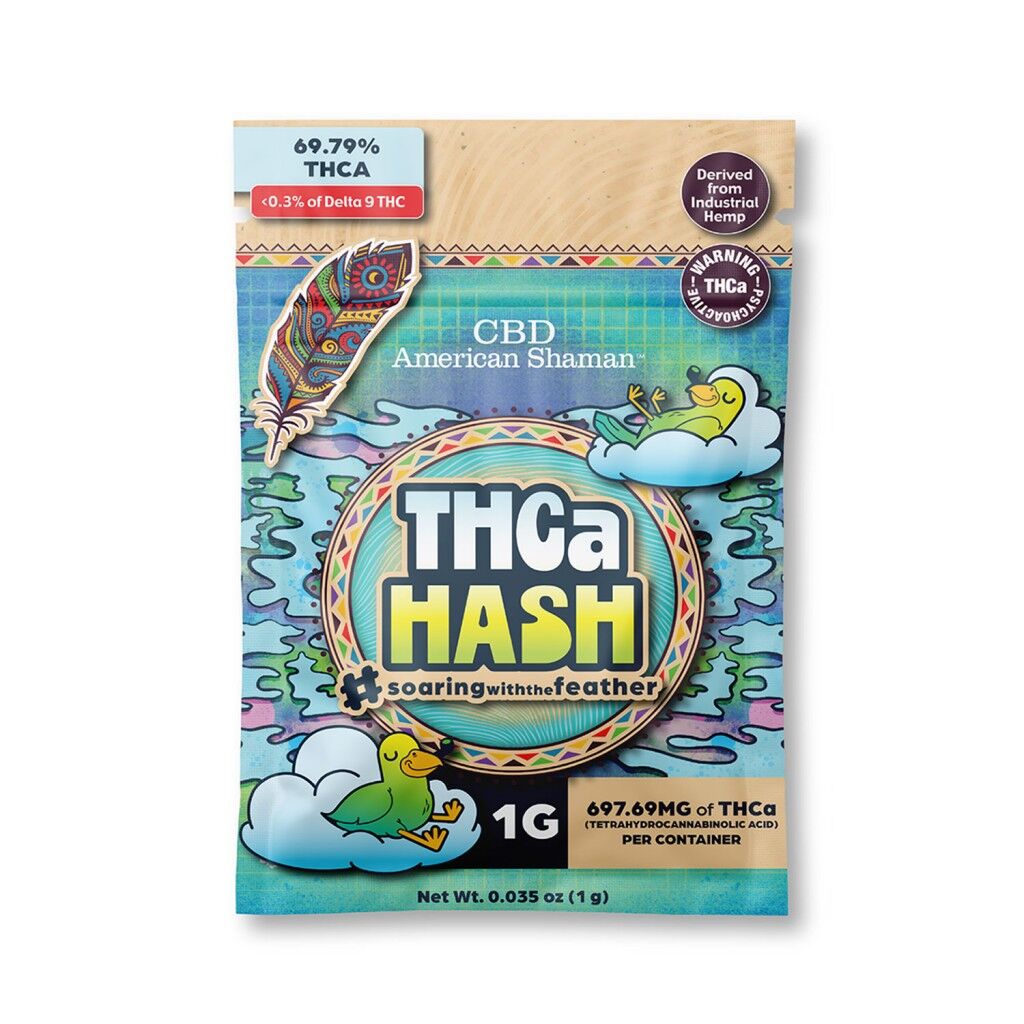
Explore the best THCa concentrate online, offering premium options for consumers and retailers seeking pure cannabis extracts. Choose from a range of forms (THCa diamonds, crumble, and hash), each designed for maximum cannabinoid concentration and clarity. Each batch complies with the 2018 Farm Bill, ensuring full legal compliance with industrial hemp regulations. Premium THCa concentrates are available in various quantities, with detailed cannabinoid profiles for each product. Each concentrate is suitable for consumers seeking concentrated and versatile cannabis extracts for personal use.

Best THCa Concentrate Online
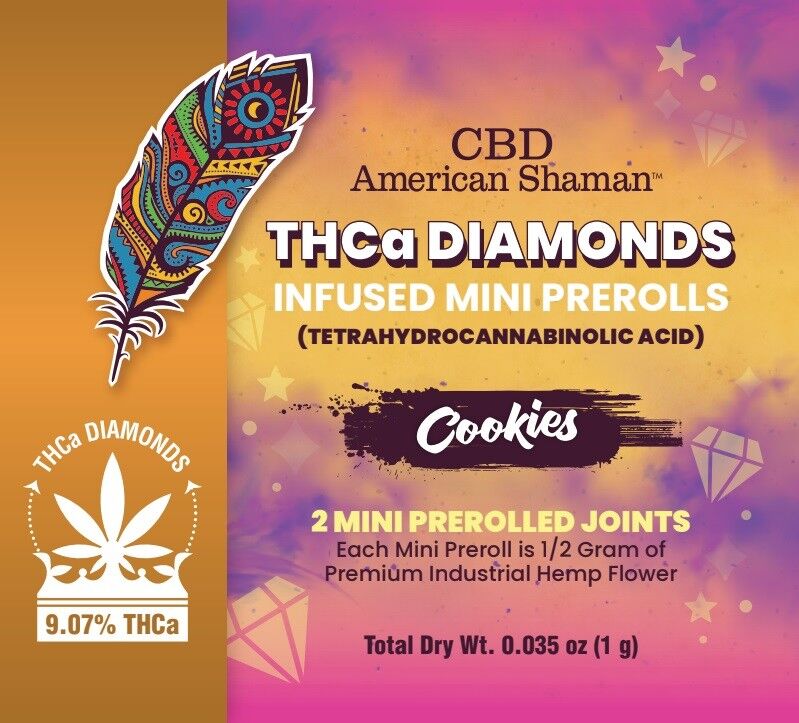
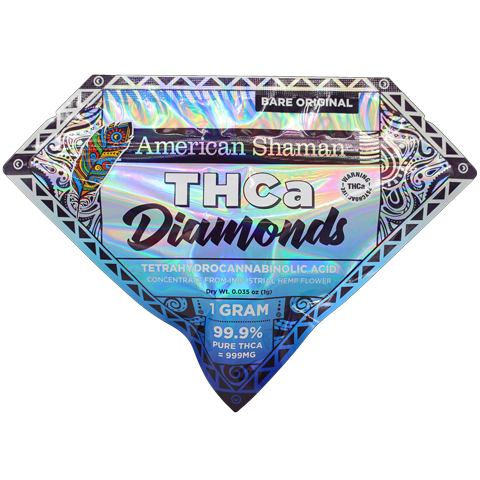
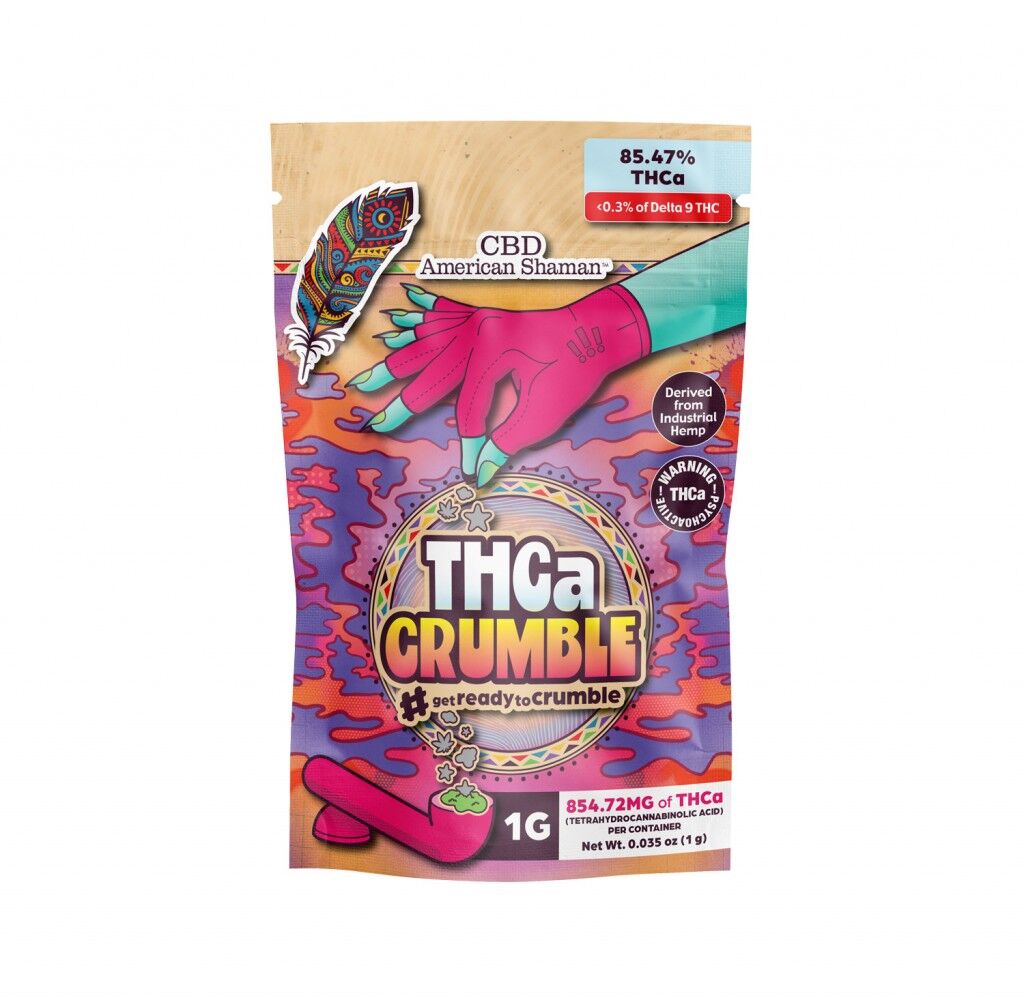
Explore the best THCa concentrate online, offering premium options for consumers and retailers seeking pure cannabis extracts. Choose from a range of forms (THCa diamonds, crumble, and hash), each designed for maximum cannabinoid concentration and clarity. Each batch complies with the 2018 Farm Bill, ensuring full legal compliance with industrial hemp regulations. Premium THCa concentrates are available in various quantities, with detailed cannabinoid profiles for each product. Each concentrate is suitable for consumers seeking concentrated and versatile cannabis extracts for personal use.
THCa Concentrate FAQ
Find quick answers to the most common questions about THCa concentrates, legality, effects, and purchasing.
What is THCa Concentrate?
THCa concentrate is a purified extract containing an elevated concentration of tetrahydrocannabinolic acid in its raw, unheated form. THCa concentrate serves as a precursor to delta-9 THC, which activates when heated. THCa concentrate appears as crystals or resin and is extracted using heat-controlled and solvent-free methods to isolate the compound. CBD American Shaman offers hemp-derived THCa concentrates that comply with the 2018 Farm Bill by maintaining less than 0.3 percent delta-9 THC on a dry-weight basis. Each batch undergoes testing for purity and safety, providing clarity on what is THCa flower, as it is the raw cannabis plant rich in THCa that converts into delta-9 THC when heated. THCa concentrate provides a high-concentration cannabinoid option for consumers in compliance with state and federal regulations.
How is THCa Concentrate made?
THCa concentrate is made by extracting tetrahydrocannabinolic acid from raw hemp using temperature-controlled and solvent-free techniques that maintain the cannabinoid in its acidic form. The process starts with selected rich-THCa plant material, followed by mechanical separation or cold ethanol extraction to isolate the compound. The extract is refined through filtration and crystallization to remove plant waxes, lipids, and non-target cannabinoids. THCa remains stable by avoiding heat that causes decarboxylation. The refined concentrate may appear as crystalline solids or semi-solid resin, depending on the method used. CBD American Shaman applies federally compliant extraction practices to confirm each product maintains less than 0.3 percent delta-9 THC by dry weight. Laboratory testing confirms quality, cannabinoid concentration, and the absence of residual solvents or contaminants. THCa concentrate produced by CBD American Shaman follows controlled production and labeling standards for adults aged 21 and above in approved markets.
What makes THCa Concentrates different from other Cannabis Extracts?
The preservation of tetrahydrocannabinolic acid in its raw form distinguishes THCa concentrates from other cannabis extracts. Cannabis extracts are created using heat, which converts acidic cannabinoids into their neutral forms like delta-9 THC. THCa concentrates avoid that process through cold extraction and controlled refinement, maintaining the natural cannabinoid structure. The distinction influences how the concentrate behaves, appears, and is categorized. THCa remains non-intoxicating unless heated, while other extracts are made for active cannabinoid expression. THCa concentrates appear in crystalline or resin form, showing refined consistency. CBD American Shaman produces THCa concentrates using compliant hemp and controlled processing standards, confirming each batch complies with legal requirements and maintains cannabinoid stability. The method differentiates THCa concentrates from extracts that prioritize activated cannabinoids.
What does THCa Concentrate look like?
THCa concentrate looks like crystalline solids or semi-solid resin, depending on the production method. The crystalline form resembles crushed quartz, sugar crystals, or raw diamonds and displays clear or milky fragments. The solid formations exhibit a refined appearance and consistency, rigid, angular, and free of plant material. The color ranges from translucent white to pale ivory with a glass-like sheen reflecting concentrated tetrahydrocannabinolic acid. Resin-based THCa concentrates have a softer texture, presenting as golden or amber pieces. The forms contain more extract oils and may retain a natural terpene aroma, resulting in a sticky or wax-like consistency. CBD American Shaman produces two forms using federally compliant hemp and controlled extraction that preserves clarity and texture. The physical characteristics of THCa concentrate serve as visual indicators of refinement, cannabinoid composition, and preparation technique.
What is the Texture and Consistency of THCa Concentrate?
The texture and consistency of THCa concentrate are defined by its form, ranging from hard crystalline solids to soft resinous masses. The crystalline version is hard, brittle, and dry to the touch, resembling coarse sugar or crushed minerals. The material breaks into small angular fragments that retain shape under pressure. The rigid structure reflects refined consistency and minimal moisture content. The smooth crystal surface feels solid and cool with little flexibility. The resin or wax version of THCa concentrate presents a different texture. The form is soft, malleable, and adhesive, featuring a tacky or oily surface that clings when touched. The material appears dense yet pliable, containing extract oils and terpenes. CBD American Shaman produces the two forms using controlled extraction methods that influence the final texture. The level of crystallization determines whether the concentrate feels firm and dry or smooth and adhesive. Texture and consistency identify the type of THCa concentrate and its refinement and product characteristics.
What is the Legal Status of THCa Concentrate?
The legal status of THCa concentrate depends on its delta-9 tetrahydrocannabinol content and the jurisdiction in which it is sold or possessed. Hemp-derived products are federally legal when containing no more than 0.3 percent delta-9 THC on a dry-weight basis under the 2018 Agriculture Improvement Act. THCa itself is not a controlled substance in raw form, but converts into delta-9 THC through decarboxylation when heated. Federal guidance indicates that total THC, including THCa, must be evaluated for compliance. THCa concentrate may pass raw testing and face regulatory interpretation if its activated THC potential exceeds the legal threshold. Certain states apply stricter standards by measuring total THC content, including amounts derived from THCa. Jurisdictions restrict or prohibit high-THCa products regardless of their raw delta-9 concentration. Retailers such as CBD American Shaman operate under federal definitions and provide hemp-derived products that meet required laboratory testing standards. The THCa Legal Status varies by state, depending on testing methods, chemical composition, and regulatory enforcement practices.
Is THCa Concentrate Legal under federal law?
Yes, THCa concentrate is legal under federal law when it satisfies the conditions of the 2018 Agriculture Improvement Act. The Act authorizes the sale and possession of hemp-derived products containing no more than 0.3 percent delta-9 tetrahydrocannabinol on a dry-weight basis. THCa does not produce psychoactive effects in its raw form before heat exposure. Federal testing procedures evaluate total THC content, which includes potential conversion of THCa after heat activation, to confirm compliance. CBD American Shaman verifies that each batch of THCa concentrate meets the total THC requirement under federal law. Compliance is confirmed through laboratory testing that measures delta-9 THC and its acidic precursor. The product is recognized as compliant under the 2018 Agriculture Improvement Act when total THC remains within the federal limit. State regulations may differ and influence their local availability.
Are THCa Concentrates Legal in California?
No, THCa concentrates derived from hemp are not fully legal in California. State law treats total tetrahydrocannabinol as the determining factor for compliance, which includes delta-9 THC and its acidic precursor, THCa. California requires total THC to remain within the 0.3 percent limit when measured after decarboxylation. The method of calculation classifies high-THCa hemp products as exceeding the legal threshold even if the delta-9 THC content appears compliant in raw form. California Assembly Bill 45 regulates industrial hemp products and prohibits the sale of inhalable hemp-derived products unless authorized under future licensing rules. THCa concentrates intended for inhalation fall under the restrictions. Enforcement actions have targeted unlicensed products containing intoxicating hemp-derived compounds, including THCa. Retail sale or distribution of THCa concentrates without proper cannabis licensing remains prohibited under state regulations. The California Department of Cannabis Control oversees the enforcement of the rules, making compliance essential for any product containing elevated levels of THCa.
Is THCa Isolate Powder Legal in all states?
No, THCa isolate powder is not legal in all states. Idaho, Nebraska, and South Dakota have more restrictive state regulations, state regulations considering total THC (delta-9 THC and THCa), while the 2018 Agriculture Improvement Act legalizes hemp products with less than 0.3% delta-9 THC. THCa isolate may not meet the legal THC threshold in all states, resulting in potential restrictions in some states. State laws on THCa products vary, with some jurisdictions prohibiting them regardless of federal regulations.
How do States Regulate THCa Concentrates?
States regulate THCa concentrates by applying total tetrahydrocannabinol limits, requiring post-decarboxylation testing, and enforcing product classification rules. States use a formula that includes delta-9 THC and THCa to determine legal status. Concentrates exceeding 0.3% total THC are treated as cannabis, not hemp, even if raw delta-9 levels are compliant. States regulate THCa concentrates by mandating lab testing through licensed facilities and requiring Certificates of Analysis. Jurisdictions restrict high-THCa products to licensed dispensaries or ban inhalable forms entirely. Enforcement includes seizures, suspensions, and product recalls. Regulation varies by state based on testing standards and classification policies.
Can THCa Concentrates be shipped Legally across States?
No, THCa concentrates cannot be shipped legally across all states under federal law unless the products meet strict hemp criteria. The Agriculture Improvement Act of 2018 allows interstate transport of hemp products when delta-9 tetrahydrocannabinol remains at or below 0.3% on a dry-weight basis. United States Postal Service policies require that hemp-based products comply with all federal, state, and local laws and retain proof of compliance (lab test results and licenses) for at least two years. Private carriers enforce even stricter rules, refusing any shipment of products that exceed federal thresholds or that do not align with carrier guidance. Shipping THCa concentrates that have elevated THCa content or exceed the legal total THC threshold may result in regulatory scrutiny under federal or state law and might not be accepted by carriers.
Where can I Buy THCa Concentrate?
You can buy THCa concentrates from licensed hemp retailers that follow federal and state regulations. CBD American Shaman sells THCa concentrates online and in stores, offering lab-tested products such as THCa diamonds derived from federally compliant hemp. All items meet the 0.3% delta-9 THC limit set by the 2018 Agriculture Improvement Act. Buy THCa concentrates in states that allow the sale and possession of high-THCa hemp products. State laws define legality based on total THC, including converted THCa. Regions restrict access to licensed dispensaries or ban inhalable hemp products. Retailers must ensure compliance with local laws and maintain proper documentation before shipping.
Where to Buy THCa Concentrate Online?
Buy THCa concentrate online from licensed retailers that operate under federal hemp regulations and meet state-specific requirements. CBD American Shaman offers THCa products through its official website, providing items such as THCa diamonds and crumble that include lab reports confirming compliance with the 0.3 percent delta-9 THC limit. Each product is derived from federally legal hemp and undergoes batch-specific testing to ensure quality and legality. Retail shipments are restricted to states where high-THCa hemp products are legally permitted, following testing protocols aligned with total THC compliance standards.
What are Factors for THCa Concentrate Price?
Factors influencing THCa concentrate price are cannabinoid concentration, extraction method, regulatory compliance, and market conditions. Products with elevated THCa levels require advanced processing and premium-quality raw material, increasing production costs. Extraction techniques that maintain cannabinoid structure solvent-free or low-heat methods, add operational expenses. Regulatory requirements for laboratory testing, licensing, packaging, and safety contribute to pricing. Market supply, consumer demand, and regional restrictions affect price fluctuations, with limited-access states showing higher costs. Terpene profile rarity, small-batch production, and Certificates of Analysis are other elements that demonstrate product transparency and support perceived value.
Are THCa Concentrates available in Dispensaries?
No, THCa concentrates are not available in dispensaries across jurisdictions. THCa concentrates may appear in licensed cannabis dispensaries in states where hemp-derived elevated-THCa products are classified under medical or adult-use cannabis frameworks. Regulatory bodies require that products such as THCa concentrates meet specific testing standards (total tetrahydrocannabinol limits and proper licensing). Dispensary availability depends on state law definitions of hemp versus cannabis and enforcement of regulations for inhalable or concentrated forms.
Do THCa Concentrate sellers require age verification?
Yes, THCa concentrate sellers require age verification before completing a sale or shipment. Federal policy and state-level regulations treat elevated-THCa hemp products as age-restricted hemp products due to their potential conversion into delta-9 tetrahydrocannabinol through decarboxylation. Retailers must confirm that the purchaser meets the legal minimum age, set at 21 years, before processing an order. Age verification is conducted through digital identification tools during online checkout or in-person ID checks at retail locations. The procedure ensures compliance with regulations governing adult-use access to hemp-derived cannabinoids. Age restrictions protect sellers from legal violations and uphold enforcement standards tied to controlled cannabinoid distribution.
Is THCa Live Resin more expensive than THCa Wax?
Yes, THCa live resin is more expensive than THCa wax due to its production process. Live resin is made from freshly harvested, flash-frozen cannabis, preserving a broad range of cannabinoids and terpenes, which results in higher cannabinoid concentration and flavor complexity. THCa wax is made from dried, cured flower, with a simpler extraction process that retains fewer terpenes, making it more affordable due to simpler extraction.
What are the Possible Effects of THCa Concentrate?
The possible effects of THCa concentrate are varied, with users reporting experiences (improved thinking function, relaxation, or well-being) depending on its form, dosage, and preparation. For example, vaporizing 100 milligrams of THCa crystalline may result in mood changes followed by physical relaxation when sourced from a sativa-dominant strain. Heating an indica-based THCa rosin in a similar amount may produce more pronounced sensations and changes in focus. The compound interacts with cannabinoid receptors in the endocannabinoid system, influencing perception and body awareness rather than directly altering body functions. Consumers have reported variations in mood, sensory perception, or physical awareness depending on strain profile and consumer tolerance. The difference in experience is most evident between raw, unheated THCa and its decarboxylated form, which becomes active delta-9 tetrahydrocannabinol (THC) when exposed to heat. The THCa reactions vary across consumers, with some experiencing improved thinking function or focus, while others feel a greater sense of calm or well-being, influenced by terpene profile and cannabinoid interaction.
How does THCa Concentrate make users feel?
THCa concentrate makes users feel relaxed, focused, or energized, depending on its preparation and use. THCa does not activate cannabinoid receptors until heat exposure converts it into delta-9 tetrahydrocannabinol in its raw form. THCa transforms into delta-9 THC once heated, which may influence sensory awareness or relaxation response. The experience depends on the method of use, cannabinoid concentration, and consumer tolerance. The conversion from raw to active form occurs only through decarboxylation.
Does THCa Concentrate contain THC after heating?
Yes, THCa concentrate contains THC after heating due to a chemical reaction called decarboxylation. The carboxyl group in tetrahydrocannabinolic acid detaches and converts the compound into delta-9 tetrahydrocannabinol when exposed to heat. The transformation changes the cannabinoid from an inactive to an active form. The process occurs during activities (vaping, smoking, or cooking), where high temperatures activate the compound. The product no longer remains in its acidic state and instead serves as a precursor to THC through heat activation. The final composition depends on the heat level and THCa concentration before activation.
How does THCa Concentrate affect the body and mind?
THCa concentrate affects the body and mind by interacting differently in raw and heated forms, influencing cellular activity or triggering active cannabinoid responses when exposed to heat. THCa does not activate cannabinoid receptor 1 (CB1) receptors and has been observed in laboratory research to affect specific biological and neurological pathways in its raw form. The early findings suggest mild responses observed under controlled testing. THCa converts into delta-9 tetrahydrocannabinol when heated, which interacts with the endocannabinoid system and may produce mood elevation, sensory change, or reduced mood-related alertness following heat activation. The intensity and duration of the experiences depend on concentration, method of use, and consumer tolerance.
How to use THCa Concentrate effectively?
To use THCa concentrate effectively, there are four steps to follow. First, determine whether the goal involves raw intake or activation through heat. THCa in its raw form remains stable and inactive, making it suitable for use in cold foods or beverages to preserve its acidic composition. The approach supports consumption without converting THCa into delta-9 tetrahydrocannabinol. Second, apply heat when activation is intended. Use temperature-controlled vaporizers or dabbing tools to promote consistent decarboxylation. The process converts THCa into THC, leading to potential mood or sensory changes after activation. Third, start with a small amount to gauge tolerance and avoid unwanted reactions. THCa concentrates contain elevated cannabinoid levels and require careful handling for responsible use. Lastly, store THCa concentrate in a cool, dry, airtight container away from light to maintain purity and chemical stability. Following each step promotes controlled and compliant handling of THCa concentrate.
Can THCa Concentrate promote relaxation or focus?
Yes, THCa concentrate may influence relaxation or focus depending on its form and method of preparation. THCa has been observed in laboratory studies to interact with specific biological pathways observed under laboratory conditions without producing stimulatory activation in its raw state. Early findings suggest THCa may contribute to calmness and clarity in controlled settings. THCa converts to delta-9 THC when heated, interacting with cannabinoid receptors, leading to mood elevation, relaxation, or focus changes. The experience varies according to dosage, consumption method, and consumer sensitivity.
Do THCa Dabs require special equipment for consumption?
Yes, THCa Dabs require special equipment for consumption. Dabbing involves heating a concentrated cannabis extract (THCa) on a hot surface, using a dab rig, which consists of a nail or banger that is heated with a torch. The THCa concentrate is applied to the surface once heated, vaporizing it for inhalation. The method allows for intense, rapid cannabinoid activation, as it preserves the cannabinoid and terpene content of the concentrate. E-nails or portable dab pens are other equipment options, offering more convenience and control over temperature, but require specialized tools for concentrated extracts.
What are the different Forms of THCa Concentrate?
The different forms of THCa concentrate are listed below:
- Crystalline: Crystalline THCa concentrate appears as solid, gem-like fragments with a translucent or white appearance. Crystalline is one of the most refined forms, reaching refined levels of purity with minimal residual compounds or plant matter.
- Shatter: Shatter is a brittle, glass-like THCa extract that breaks cleanly into shards. Shatter is transparent or amber and is produced through solvent-based extraction, providing concentrated cannabinoid content and a refined finish.
- Wax: Wax is a soft and malleable concentrate with a texture similar to thick frosting. Wax is easier to handle than shatter and is opaque due to the presence of lipids and cannabinoids in semi-solid form.
- Badder: Badder features a whipped, creamy consistency with a smooth texture. Badder holds a uniform, spreadable structure that makes it easy to dose and apply for heated preparation.
- Crumble: Crumble is a dry, grainy concentrate that breaks apart easily. Crumble porous structure allows it to retain a modest terpene profile while remaining easy to handle and measure.
- Sugar: Sugar THCa concentrate contains fine granules suspended in a liquid matrix. Sugar combines a gritty texture with a semi-viscous base, maintaining cannabinoid concentration and flavor.
- Live Resin: Live resin is a semi-liquid extract created from flash-frozen plant material. Live resin retains high terpene content and offers a saucy, aromatic concentrate with rich flavor and THCa content.
- Live Rosin: Live rosin is produced through solventless extraction using heat and pressure. Live rosin has a sticky, taffy-like texture and presents a clean cannabinoid profile free from residual solvents.
What is THCa Crystalline or Diamonds?
THCa crystalline or diamonds is purified forms of the cannabinoid tetrahydrocannabinolic acid in crystalline form that look like clear or milky gems and convert into delta-9 tetrahydrocannabinol (THC) when heated. THCa crystalline or diamonds represent a refined cannabis concentrate composed of THCa in a nearly crystalline state. THCa crystals form when extraction and purification methods isolate THCa from plant material, followed by a controlled crystallization process. Purity levels exceed 90-to-99% THCa, and minimal other cannabinoids or plant compounds remain. The crystalline appearance earns them the 'diamonds' label because they resemble small gem-like structures. THCa converts through decarboxylation into active THC when heat is applied through vaporization or dabbing, which may influence perception or awareness after activation. The crystals differ from other concentrates by their elevated THCa content and near-absence of terpenes or other matrix compounds. Verified formulations of THCa crystalline or diamonds are tested for purity, residual solvents, and total THC content to ensure safety and compliance.
What are THCa Live Resin and Rosin?
THCa live resin and rosin are concentrated cannabis concentrates made from fresh-frozen plant material, each produced using different extraction methods that preserve elevated THCa levels in the final product. THCa live resin is created through a hydrocarbon-based extraction technique applied to fresh-frozen cannabis, where low temperatures help maintain a broad spectrum of cannabinoids and natural terpenes. The method captures a profile that resembles the original plant, producing a soft, sauce-like texture rich in THCa. The result offers a rich aromatic profile, associated with elevated terpene content and concentrated acidic cannabinoids.
THCa live rosin differs in its solventless process. Producers apply mechanical pressure and low heat to fresh-frozen cannabis hash or bubble hash to yield a viscous, sap-like extract. The concentrate retains a cleaner chemical profile since no hydrocarbons are used, which is preferred by consumers prioritizing mechanical extraction methods. THCa live resin and THCa live rosin rely on immediate freezing after harvest to maintain cannabinoid and terpene integrity. The forms of THCa concentrate are prepared using heat-based methods (vaporization), which trigger decarboxylation and transform THCa into delta-9 tetrahydrocannabinol (THC). Laboratory analysis ensures purity, cannabinoid concentration, and terpene content for product consistency and consumer safety.
Is THCa Concentrate derived from Sativa or Indica Strains?
THCa concentrate can be derived from either sativa or indica strains. The genetic origin of the hemp or cannabis plant determines the foundational cannabinoid and terpene profile before extraction. Extraction producers label THCa concentrates according to strain classification, indicating whether the source plant was sativa-dominant, indica-dominant, or hybrid. Sativa plants demonstrate alertness-associated or uplifting characteristics observed in user reports, while indica plants are reported to produce more grounded or relaxation-associated characteristics. Extracts from sativa-dominant sources may therefore show reported energetic or attention-associated responses after activation, while extracts from indica-dominant origins may show reported tranquil or mellow responses following activation.
