
 Store
Locator
Store
Locator

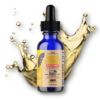
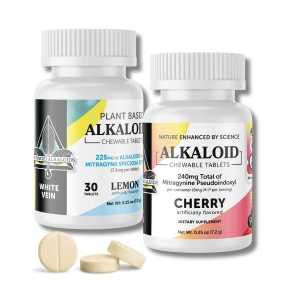
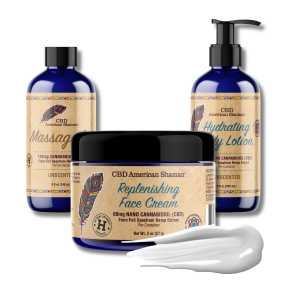

Mitragyna Speciosa
While we specialize in alkaloid isolation, many people understand our products as Mitragyna Speciosa. This is an ingredient in our formulations but just like our other product lines, we have innovated in a special way to deliver an even better product.
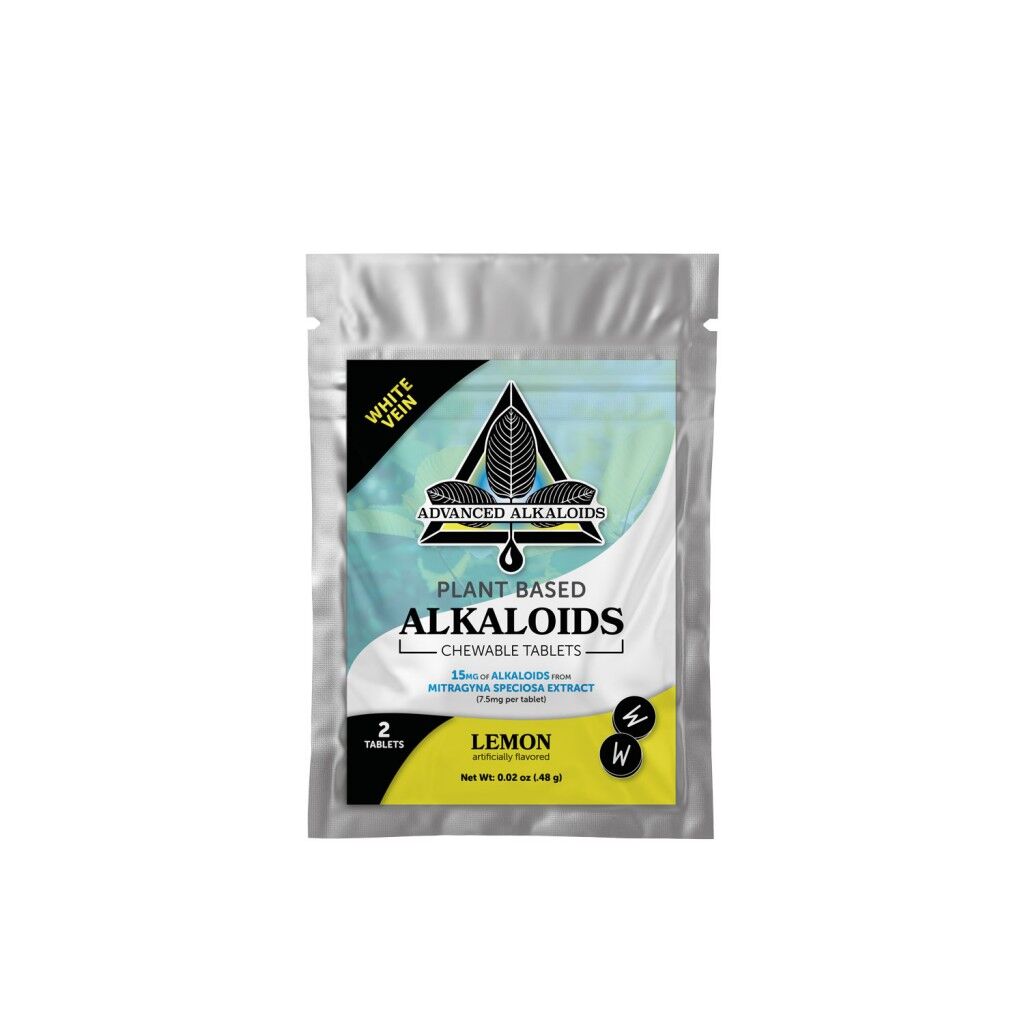

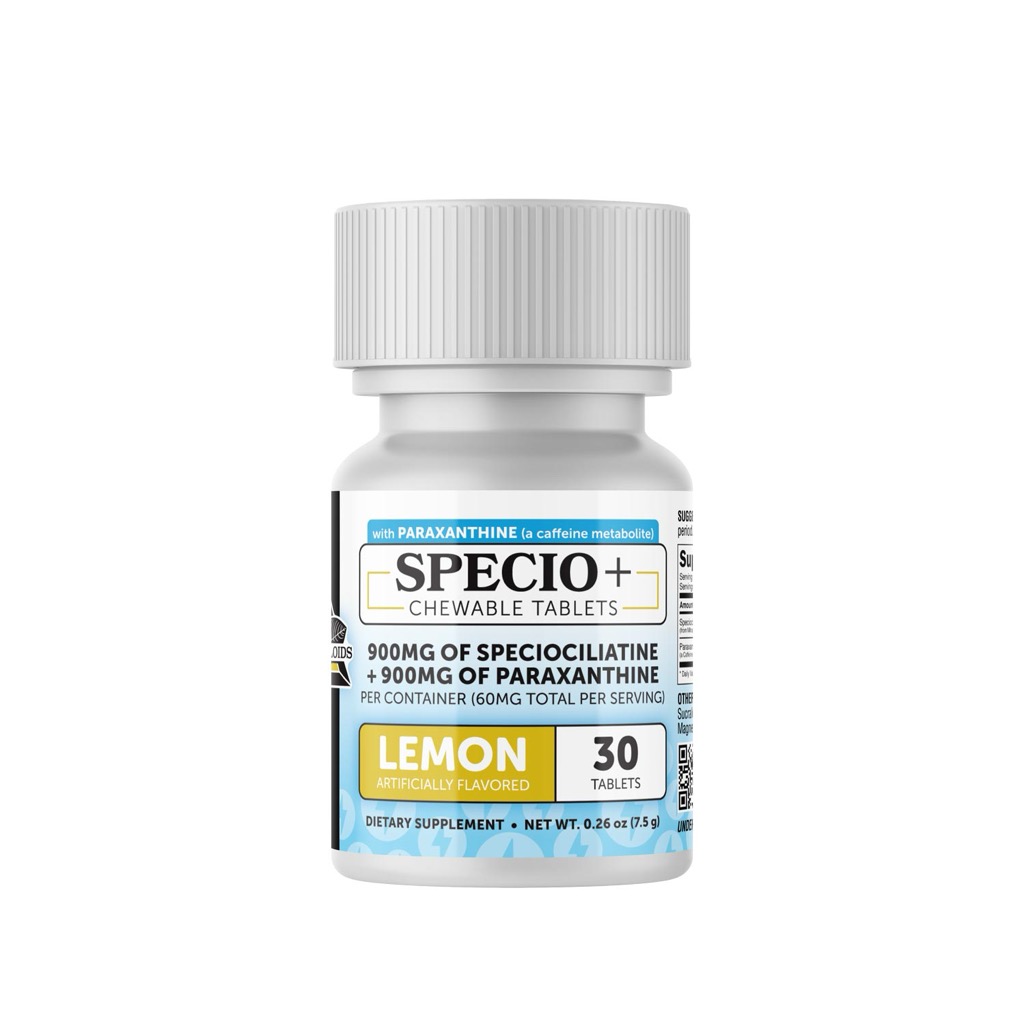
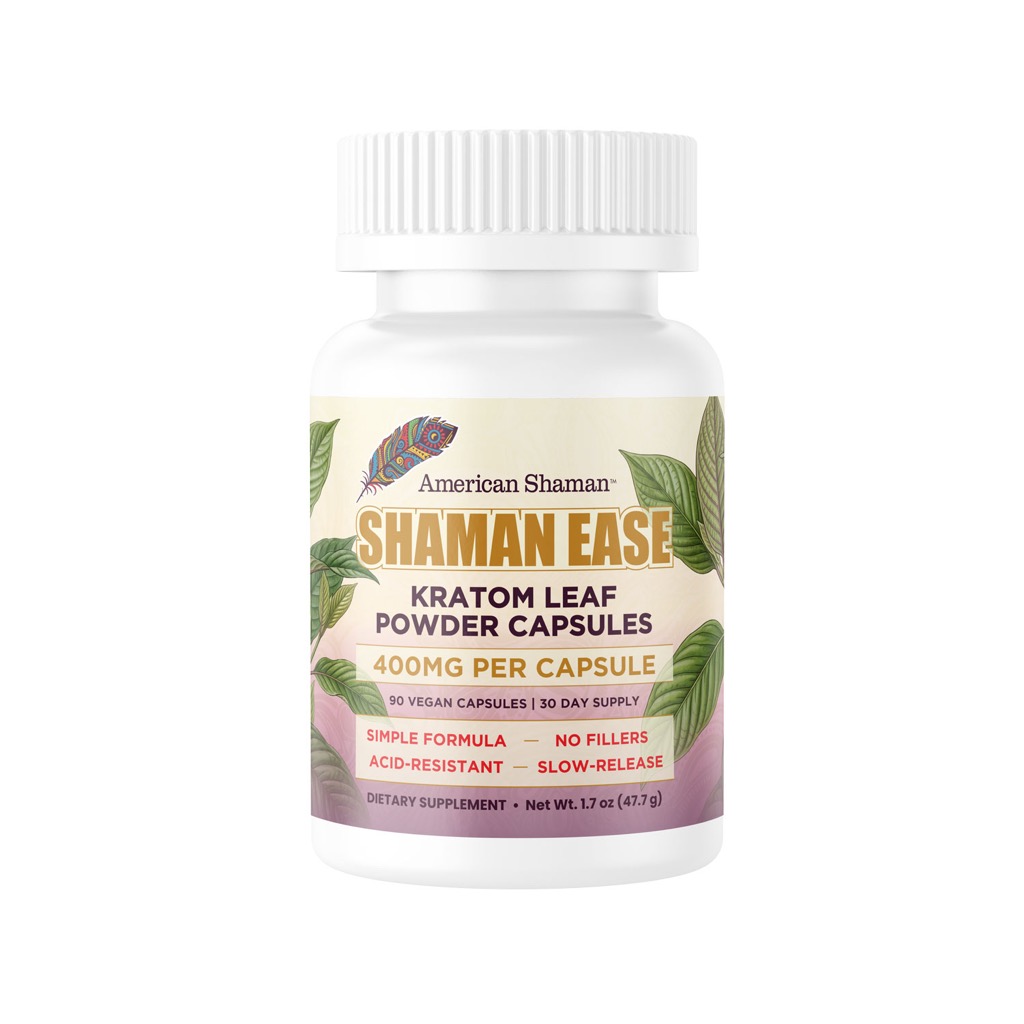
The plant, its alkaloids, its documented effects and its legal position — what the research and the labels actually say.
What is a Mitragyna speciosa Leaf?
A Mitragyna speciosa leaf is the broad green foliage produced by a tropical tree species within the Rubiaceae family. Kew classifies Mitragyna speciosa as an accepted species with a native range extending from southern Indochina to New Guinea. The species grows primarily within wet tropical biomes and occurs across countries including Thailand, Malaysia, Indonesia, Myanmar, Cambodia, Vietnam, and the Philippines. The leaves contain numerous naturally occurring alkaloids, with mitragynine representing a principal alkaloid identified in chemical research. Leaf material enters commercial products after processes that include drying, grinding, extraction, or compression. Research has identified substantial variation in chemical composition across plant material and commercial preparations. Botanical identity provides foundational information for understanding products derived from the leaf.
From this range
Where does Mitragyna speciosa grow?
Mitragyna speciosa grows naturally across tropical regions extending from southern Indochina to New Guinea. Kew records native populations in Borneo, Cambodia, Malaya, Myanmar, New Guinea, the Philippines, Sumatera, Thailand, and Vietnam. The species grows primarily within wet tropical environments and occurs in habitats associated with swampy, alluvial, and riverine conditions. Geographic distribution covers several countries with different climates, soils, rainfall patterns, and cultivation practices. Regional environmental differences contribute to the broader variation observed in botanical material. Geographic origin provides useful context when evaluating commercially sourced plant material.
From this range
What Family Does Mitragyna speciosa Belong To?
Mitragyna speciosa belongs to the Rubiaceae family within the order Gentianales. Rubiaceae contains thousands of flowering plant species distributed across tropical and temperate regions. The family includes trees, shrubs, herbs, and climbing plants with varied morphological characteristics. Mitragyna represents a recognised genus within the family, with Mitragyna speciosa classified as an accepted species by Kew. Botanical classification distinguishes the species from unrelated plants that share similar commercial or traditional terminology. Family classification establishes the formal taxonomic position of Mitragyna speciosa within the plant kingdom.
From this range
How Long Has Mitragyna speciosa Been Used?
Mitragyna speciosa has been used traditionally in Southeast Asia since at least the early 19th century, with practices likely predating surviving written records. Scientific documentation began in the 1830s, while Kew records the accepted species publication in 1841. Historical sources describe leaf use in Malaysia and Thailand, including fresh and dried preparations.
From this range
Does Foria Juicy Pure Lube Contain Mitragyna speciosa?
No, the published ingredient list for Foria Juicy Pure Lube does not identify Mitragyna speciosa as an ingredient. The product page lists ingredients including aloe leaf juice, chamomile flower extract, guar gum, xanthan gum, vanilla flavour, potassium sorbate, sodium benzoate, stevia extract, citric acid, and related formulation components. The product is presented as a water-based personal lubricant rather than a botanical preparation containing Mitragyna speciosa. The published ingredients provide a direct basis for the negative answer. Product formulations remain subject to manufacturer labelling, making the current ingredient list the relevant reference for Foria Juicy Pure Lube.
From this range
What Is Mitragynine?
Mitragynine is an indole alkaloid found in Mitragyna speciosa leaves and represents one of the principal alkaloids identified in the species. Chemical research has characterised mitragynine alongside speciociliatine, speciogynine, mitraciliatine, paynantheine, and numerous additional alkaloids. The compound belongs to a structurally diverse group of plant constituents that contribute to the chemical profile of Mitragyna speciosa. Research has examined mitragynine metabolism, receptor activity, chemical identification, and variation across botanical material. Commercial products differ in mitragynine concentration according to plant source, plant part, environmental conditions, processing, and extraction method. Laboratory analysis provides a stronger basis for determining concentration than product names or geographic labels alone.
From this range
What Are the Main Alkaloids in Mitragyna speciosa?
Mitragyna speciosa contains a diverse group of indole and oxindole alkaloids identified through analytical chemistry research. Studies have characterised at least 19 specific alkaloids, with additional research identifying a broader alkaloid count across plant material and commercial products. The following compounds represent important examples within the documented chemical profile.
- Mitragynine: Mitragynine is a principal indole alkaloid identified in Mitragyna speciosa leaves. Research has examined its chemical structure, metabolism, receptor activity, and concentration across different plant materials.
- Speciociliatine: Speciociliatine is an indole alkaloid structurally related to mitragynine. Chemical studies identify speciociliatine among the principal characterised alkaloids found within the species.
- Speciogynine: Speciogynine is an indole alkaloid identified alongside mitragynine and speciociliatine. Its presence contributes to the broader alkaloid profile of Mitragyna speciosa.
- Mitraciliatine: Mitraciliatine is a structurally related indole alkaloid identified through analytical characterisation. Research places the compound among the documented alkaloids present in Mitragyna speciosa material.
- Paynantheine: Paynantheine is an indole alkaloid identified within the species. Chemical research distinguishes paynantheine from related alkaloids through spectroscopic analysis and structural characterisation.
- Oxindole alkaloids: Oxindole compounds form another part of the documented chemical profile. Research has identified compounds including speciofoline, corynoxine A, corynoxine B, and related structures.
From this range
How Does Mitragynine Affect the Body?
Mitragynine affects the body by interacting with biological systems after absorption and undergoes extensive metabolism within the body. Laboratory and pharmacological research identifies activity involving several receptor systems, including opioid receptors, alongside other signalling pathways. Human metabolism studies identify cytochrome P450 enzymes, particularly CYP3A4, as important contributors to mitragynine metabolism. The resulting metabolites differ chemically from the original compound and contribute to the overall pharmacological profile. Effects depend on factors including product composition, exposure, individual metabolism, and interactions with other substances. Research does not support treating mitragynine as a standard pharmaceutical ingredient.
From this range
What are the Potential Effects of Mitragyna speciosa?
Mitragyna speciosa produces biological effects associated with its alkaloid constituents, particularly mitragynine and related compounds. Research describes changes involving central nervous system activity, receptor signalling, gastrointestinal responses, cardiovascular measures, and other physiological processes. Product composition varies substantially, so reported effects do not represent a uniform response across every preparation. Commercial products can contain different concentrations of mitragynine and other alkaloids according to source and processing. Documented effects include the following categories.
- Alertness changes: Some research describes changes in alertness after exposure to Mitragyna speciosa constituents. Reported responses vary according to product composition, exposure level, and individual factors.
- Relaxation: Relaxation has appeared within historical and observational descriptions of Mitragyna speciosa use. Research findings remain dependent on preparation, alkaloid profile, and individual response.
- Drowsiness: Drowsiness appears among reported physiological responses associated with exposure to preparations containing Mitragyna speciosa alkaloids. Response intensity varies according to composition and individual metabolism.
- Gastrointestinal responses: Gastrointestinal effects have been reported in clinical and observational literature. Reported responses include nausea and changes in gastrointestinal activity.
- Cardiovascular changes: Research has documented changes in cardiovascular measures following exposure. Heart rate and blood pressure responses vary according to product composition and individual circumstances.
- Withdrawal responses: Repeated exposure has been associated with withdrawal phenomena in published literature. Reported symptoms vary in type and intensity according to exposure history and individual factors.
From this range
What Are the Traditional Uses of Mitragyna speciosa?
Traditional uses of Mitragyna speciosa developed across Southeast Asian communities where the species grows naturally. Historical sources describe preparation of fresh leaves, dried leaves, teas, and other botanical forms. Documented practices differ between countries and communities, reflecting local traditions and cultural contexts. Historical use provides evidence of longstanding human interaction with the plant rather than proof of modern clinical effectiveness. Traditional applications described in historical literature include the following categories.
- Leaf chewing: Fresh leaves have historically been chewed within communities in parts of Southeast Asia. Preparation practices differed according to local customs and available plant material.
- Leaf beverages: Leaves have been prepared as teas or other liquid beverages in traditional settings. Preparation methods varied according to regional practices and household preferences.
- Work-related traditions: Historical accounts describe leaf use among workers in tropical environments. Accounts associate the practice with local occupational traditions and cultural routines.
- Community practices: Mitragyna speciosa formed part of traditional botanical knowledge in several Southeast Asian communities. Practices differed according to region, culture, and historical period.
From this range
What Drug Class Is Mitragyna speciosa?
Mitragyna speciosa is a botanical species rather than a pharmaceutical drug assigned to a single FDA drug class. The plant belongs to the Rubiaceae family and contains numerous naturally occurring alkaloids, including mitragynine and related compounds. Pharmacological research examines some of those alkaloids according to receptor activity and metabolic pathways. A botanical classification differs from a regulatory drug classification. United States regulatory treatment depends on the specific product, ingredient, intended use, and applicable federal or state requirements. Product labels and regulatory notices provide the relevant framework for commercial products rather than assigning the plant itself a conventional pharmaceutical class.
From this range
Is Mitragyna speciosa Legal?
Yes, however, the legal status of Mitragyna speciosa varies according to jurisdiction, product composition, and applicable regulations. United States federal controlled substance status differs from FDA treatment of products marketed as dietary supplements or dietary ingredients. FDA issued an August 2026 import alert concerning dietary supplements and bulk dietary ingredients containing Mitragyna speciosa. State and local rules differ, with some jurisdictions imposing specific restrictions or prohibitions. Products containing concentrated individual alkaloids can face separate regulatory considerations from unprocessed botanical material. Legal status requires checking the rules applicable to the specific location and product.
From this range
Where can you buy Mitragyna speciosa?
Mitragyna speciosa is available through specialised botanical retailers and online sellers that offer products in powder, capsule, extract, liquid, and compressed formats. Product availability varies according to local regulations, supplier policies, product formulation, and applicable import requirements. Retail listings generally provide package size, ingredient information, product form, and stated alkaloid details. Buyers evaluating commercial products benefit from checking laboratory testing information, complete ingredient lists, package weights, and applicable legal requirements. CBD American Shaman provides a dedicated product category featuring Mitragyna speciosa products and related botanical formulations through CBD American Shaman.
From this range
Is Mitragyna speciosa Available Online?
Yes, Mitragyna speciosa is available through online botanical retailers in jurisdictions where sale and possession comply with applicable rules. Online listings commonly include powder, capsules, extracts, liquids, and other prepared forms. Product pages provide varying levels of information regarding botanical source, package size, ingredient composition, and laboratory testing. Availability differs by location because state, national, and local regulations do not follow one universal framework. Online buyers need to review current product information and local requirements before placing an order.
From this range
