 Store
Locator
Store
Locator




-
 How to Use
-
 Active Ingredients
-
 Terpene profile
-
 Benefits
-
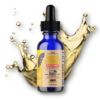
 How does Topical Serum Sample Size (THC-Free) Work
-
 Review
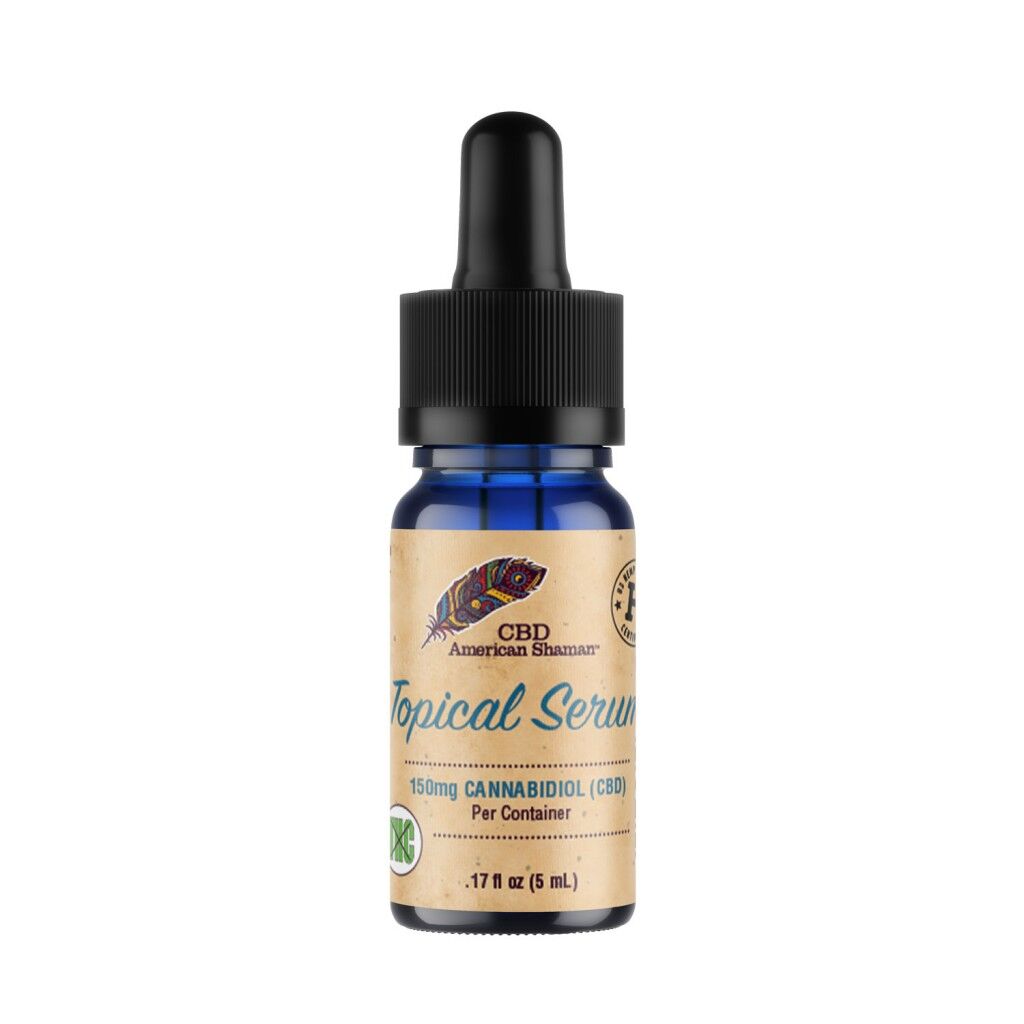
Topical Serum Sample Size (5mL) THC Free Strain THC Level
The Topical Serum Sample Size (5mL) THC Free THC Level reflects a moderate THC range that supports a balanced experience. Topical Serum Sample Size (5mL) THC Free Strain presents a measured potency profile that aligns with balanced enjoyment. The cannabinoid profile stays consistent from start to finish and supports a clean progression of effects.
- THC Percentage: 0%
- Type: As a topical serum, it does not have a traditional Sativa, Indica, or Hybrid classification.
- Flavor Profile: This topical serum is not intended for ingestion and therefore does not have a flavor profile.
- Aroma: The Topical Serum Sample Size (5mL) THC Free has a subtle and neutral aroma.
- Recommended Use: Apply a small amount (0.1 to 0.15 ml) to a clean, dry affected area and massage gently until absorbed. Reapply every 4 to 6 hours as needed, washing hands after use unless treating hands.
Topical Serum Sample Size (5mL) THC Free Strain Effects
Topical Serum Sample Size (5mL) THC Free Strain Effects are listed below.
CBD functions as the primary hemp-derived compound in THC-free topical serum formulations. CBD interacts with skin receptors to support localized balance and maintain surface comfort. CBD content in topical serums ranges from [100 mg to 500 mg] per container, delivering measurable concentration per application.
Aloe vera extract delivers hydration through its polysaccharide-rich composition. Aloe vera extract supports moisture retention and maintains skin barrier stability during repeated topical use.
Menthol creates a cooling sensation that targets surface discomfort through sensory stimulation. Menthol provides immediate soothing feedback that supports temporary relief after physical strain.
Arnica montana extract supports skin recovery after physical stress or strain. Arnica montana extract contributes to reducing visible skin tension and promotes surface restoration.
Vitamin E protects skin from oxidative stress through antioxidant activity. Vitamin E supports skin conditioning and helps maintain smooth texture during repeated application.
The base ingredients in the Topical Serum Sample Size (5mL) THC Free formulation, including purified water and glycerin, support even distribution, hydration, and product stability.
The Topical Serum Sample Size (5mL) THC Free strain effects are intended to provide localized support and comfort.
Topical Serum Sample Size (5mL) THC Free Strain Terpene Profile
Topical Serum Sample Size (5mL) THC Free Strain presents a terpene profile defined by its foundational hemp extract layered with hydrating aloe vera and soothing arnica montana. The combined terpene expression creates a clear sensory identity that defines Topical Serum Sample Size (5mL) THC Free Strain.
The Topical Serum Sample Size (5mL) THC Free Strain Terpene Profile is listed below.
- Hemp Extract: Supplies cannabinoid content, forming the primary plant-based compound.
- Aloe Vera: Provides hydration support through natural polysaccharides that maintain moisture balance across the skin surface.
- Arnica Montana Extract: Contributes to surface recovery support after physical strain, supporting skin condition through plant-derived compounds.
Topical Serum Sample Size (5mL) THC Free Strain Growing Factors
Topical Serum Sample Size (5mL) THC Free Strain growing factors influence yield, resin, and overall quality. Proper regulation of temperature, humidity, and pH preserves flower quality and plant health.
A summary of the key growing factors for Topical Serum Sample Size (5mL) THC Free Strain is shown in the table below.
| Topical Serum Sample Size (5mL) THC Free Growing Factor | Description |
|---|---|
| Difficulty | Topical Serum Sample Size (5mL) THC Free is a manufactured product, not a plant to be grown. |
| Flowering Time | As a finished product, Topical Serum Sample Size (5mL) THC Free does not have a flowering time. |
| Yield | The yield for Topical Serum Sample Size (5mL) THC Free refers to its production volume, not botanical harvest. |
| Climate | Topical Serum Sample Size (5mL) THC Free is not cultivated and therefore has no specific climate requirements. |
Topical Serum Sample Size (5mL) THC Free Strain Aroma and Flavors
-
Aroma: Topical Serum Sample Size (5mL) THC Free releases a subtle, clean scent.
-
Flavor: Topical Serum Sample Size (5mL) THC Free delivers a neutral, non-ingestible experience.
-
Overall Impression: Topical Serum Sample Size (5mL) THC Free presents a product designed for external application.
How does Topical Serum Sample Size (THC-Free) Compare to Other CBD Topicals?
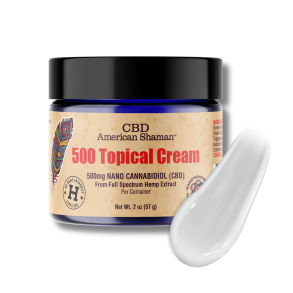
Topical Serum (THC-Free) differs from other CBD topicals (CBD creams, CBD lotions, CBD balms) primarily in texture, absorption speed, and product format. The serum uses a lightweight liquid consistency that spreads easily across the skin and absorbs within minutes, leaving minimal surface residue. Cream-based CBD products rely on thicker bases designed to remain on the skin longer and provide added moisture. The CBD Topical Cream contains a denser formulation that suits dry skin areas or users who prefer a substantial topical layer. The serum format focuses on fast application and quick absorption, while cream formats emphasize hydration and longer surface coverage.
This topical serum is designed for external application and does not have a flavor profile or psychoactive effects.
Potency Comparison
- Topical Serum Sample Size (5mL) THC Free 0% THC
User Experience: Users often report a rapid absorption and a lightweight feel, making it suitable for quick application without residue.
How long does Topical Serum Sample Size (THC-Free) Take to Work?
It takes 2 to 5 minutes for the Topical Serum (THC-free) to work. Nano CBD particles are micro-sized to move through the stratum corneum faster than standard CBD particles, reducing the time from application to full skin absorption. Full skin absorption is defined as no visible serum residue remaining on the skin surface after application.
Individual absorption time varies, depending on skin hydration level, the thickness of the application layer, the targeted body area, and skin condition at the time of application. Drier skin absorbs at a slower rate than well-hydrated skin across topical formulations. Applying a thin, even layer produces faster absorption than a thick or uneven application.
How much Topical Serum Sample Size (THC-Free) should be Applied per Use?
A pea-sized amount (0.1 to 0.15 milliliters) of Topical Serum (THC-free) should be applied per use. A small, rounded droplet is about 6 to 8 millimeters in diameter. A droplet of that size forms a small dome when dispensed from the dropper before spreading across the skin. A 0.1 to 0.15 milliliter amount covers a palm-sized surface area measuring about 8 to 10 centimeters across when spread into a thin, even layer. The amount equals roughly one small drop from a standard cosmetic dropper or about 1/30 to 1/20 of a teaspoon, which provides a visual reference for the quantity.
Safety and Drug Testing
The Topical Serum Sample Size (5mL) THC Free is designed for external use.
-
Common
Mild skin irritation
Some individuals may experience temporary redness or itching at the application site, especially with sensitive skin. Perform a patch test before full application.
Important Notes
Review the INCI ingredient list and perform a 24-hour patch test on a small area of skin before full application. Discontinue use if redness or irritation appears. Use a thin layer and avoid creating a thick occlusive barrier.
What is the difference between THC Free and Full Spectrum Topical Serum?
The difference between THC-Free and Full Spectrum Topical Serum lies in the cannabinoid concentration present in the formulation. A THC-Free topical serum contains cannabidiol (CBD) with non-detectable Δ⁹-tetrahydrocannabinol (THC) levels, reported as 0.00% THC or below laboratory detection limits ( less than 0.01%). Third-party Certificate of Analysis (COA) laboratory reports confirm that THC is absent within measurable thresholds. A full-spectrum topical serum contains CBD together with additional cannabinoids and plant compounds derived from hemp extract. Full-spectrum products contain trace THC concentrations up to 0.3% THC by dry weight, which represents the federal legal limit for hemp-derived products in the United States.
Will Topical Serum Sample Size (THC-Free) Appear on a Drug Test?
No, the Topical Serum (THC-Free) will not appear on a drug test. Standard workplace, athletic, and clinical drug tests detect Δ⁹-tetrahydrocannabinol (THC) or the THC metabolite 11-nor-9-carboxy-THC (THC-COOH) rather than cannabidiol. The topical serum is applied directly to the skin and remains localized within the epidermis and dermis at the application site, which prevents systemic cannabinoid absorption associated with drug test detection. The formulation is labeled THC-Free and verified through independent third-party Certificate of Analysis (COA) laboratory testing that confirms non-detectable THC levels. Adults seeking more details about cannabinoid testing methods can review “Will CBD Show on Drug Test?” for additional explanation of CBD testing outcomes.
Is Topical Serum Sample Size (THC-Free) Suitable for Sensitive Skin?
Yes, Topical Serum is suitable for sensitive skin. The serum uses a lightweight, low-residue formulation that absorbs into the skin, which reduces the likelihood of clogged pores or prolonged surface irritation associated with heavier creams and ointments. Sensitive skin users are advised to use serums with a thin layer and not create a thick occlusive barrier. Sensitivity varies by individual skin chemistry, so reviewing the INCI ingredient list and performing a 24-hour patch test on a small area of skin remains recommended before full application. Discontinue use if redness or irritation appears.
Topical Serum Sample Size (5mL) THC Free Usage Guide
Complete usage information and effects guide
|
Experience Type Designed for localized skin application. |
Primary Effects Aims to provide targeted topical benefits. |
What makes Topical Serum Sample Size (THC-Free) different from CBD Roll Ons?
The tropical serum sample size (THC-Free) differs from CBD roll ons through the application method and user experience. The serum format uses direct fingertip application, which allows controlled placement of the product and enables a manual massage motion at the targeted area. Massage during application increases local surface circulation and helps distribute the serum evenly across the skin. The roll-on format uses a ball applicator mechanism that dispenses the serum through a rolling motion, which eliminates direct hand contact and provides a cleaner, no-contact application process. The serum format suits precise application on smaller or targeted areas, where controlled spreading and manual pressure are preferred. The roll-on format suits hard-to-reach areas or quick application scenarios, where convenience and portability remain important. CBD topical serum and CBD topical roll ons contain Nano CBD. Nano CBD supports fast absorption within under 5 minutes. CBD topical serum and CBD topical roll onsare compact for travel or daily use.
What to Look for When Buying a Topical Serum Sample Size (THC-Free)?
Look for verified USA manufacturing, third-party lab testing, accurate labeling, and formulation transparency when buying Topical Serum Sample Size (THC-Free). The product should indicate USA-based production, which reflects controlled cultivation and standardized processing conditions. The label must state the 15 ml volume and total CBD amount, allowing confirmation of the correct strength and size. A batch-specific Certificate of Analysis (COA) should be available, with a batch number that matches the packaging to confirm accuracy of CBD content and non-detectable Δ⁹-tetrahydrocannabinol (THC). The THC-Free designation must appear clearly to confirm formulation type. Information about the delivery system or formulation method provides insight into how the serum performs on the skin. Recognized certifications signal adherence to industry standards.
Should a Consumer Choose Topical Serum Sample Size (THC-Free)?
Yes, a consumer should choose the Topical Serum Sample Size (THC-Free) instead of a standard CBD topical because the 15 ml format provides a controlled entry point for testing performance, texture, and skin compatibility before purchasing a larger size. The serum uses direct fingertip application, which allows targeted placement and manual spreading across specific areas of the skin. The 0.00% detectable THC classification confirms a THC-Free cannabinoid profile suited for individuals maintaining a THC-free topical routine. The compact size supports trial-based use without committing to a full-size product, while delivering a measurable CBD dose per application. Proprietary nano-formulation technology supports faster absorption compared to conventional CBD topicals that rely on standard particle size. The lightweight consistency and quick absorption make the sample size practical for daily use, particularly for localized applications where controlled coverage and evaluation remain important.
How to Verify the Quality of Topical Serum Sample Size (THC-Free)?
Verify the quality of Topical Serum Sample Size (THC-Free) by reviewing the third-party laboratory results, ingredient transparency, and production standards associated with the product. The method involves checking the Certificate of Analysis (COA) for the specific batch, which confirms cannabidiol (CBD) content and verifies that Δ⁹-tetrahydrocannabinol (THC) remains non-detectable. The COA is accessible through the product page or provided upon request, allowing direct verification of potency and contaminant screening results.
Hemp sourcing plays a key role in quality determination. High-quality formulations use hemp derived from regulated agricultural farms in the United States. The cultivation practices follow controlled standards. Manufacturing under Good Manufacturing Practices (GMP) supports consistency, safety, and traceability across batches. Packaging details (batch numbers, lot codes, or UPC identifiers) provide traceability and allow the laboratory report to match the exact product unit.
How to Read CBD Topical Serum Lab Results?
Read the CBD topical serum lab results by starting with the product identification section and confirming the batch number on the Certificate of Analysis (COA) matches the number printed on the serum container. The next step focuses on the cannabinoid profile section, where the total CBD content should align with the labeled amount on the product. The THC column should display 0.00% or ND (non-detectable) for THC-Free formulations, which confirms the absence of measurable Δ⁹-tetrahydrocannabinol in the tested batch.
Interpret each section of the Certificate of Analysis (COA). The product identity (Zero-Topical Serum-150) along with the batch number (1000929) and test date (May 15, 2025 at 10:56), must match the product packaging to confirm the report corresponds to the correct sample. The results panel is the measured amount of cannabidiol in one full unit of the product (147 mg/unit CBD) and the total CBD content after accounting for all CBD forms (147 mg/unit total CBD), which aligns with the labeled CBD potency of the product (150 mg) strength within normal laboratory variance. The Total THC value (0 mg/unit) which confirms the THC-Free classification of the serum.
The cannabinoid table provides deeper detail, where Δ⁹-THC appears as ND (non-detectable), meaning it is below the laboratory detection limit. Indicators (ND and <LOQ) define detection thresholds used during testing. The report lists Total Cannabinoids (148 mg/unit), which reflects the full cannabinoid content of the formulation. Each section confirms potency accuracy, THC absence, and batch-specific verification.
Page 1 of Certificate of Analysis for Topical Serum Sample
Page 2 of Certificate of Analysis for Topical Serum Sample
Why Third Party Testing Matters for CBD Topical Serums?
Third-party testing matters because third party testing is the primary independent verification mechanism for CBD topical quality. Hemp-derived products do not undergo pre-market FDA approval in the United States. An accredited laboratory with no financial relationship to the manufacturer provides unbiased confirmation of key quality metrics. The metrics include accurate cannabinoid potency that matches the product label, non-detectable THC levels for THC-Free formulations, and the absence of contaminants (pesticides, heavy metals, residual solvents, and microbial content) above safety limits. Laboratory testing supports batch-to-batch consistency across production runs, which ensures that each unit meets the same quality standard.
Consumers lack an independent method to verify product safety or label accuracy, without third-party testing. A publicly accessible Certificate of Analysis (COA) portal allows batch-specific verification before or after purchase, which provides transparency and reduces uncertainty in product selection.
What is a Certificate of Analysis (COA)?
A Certificate of Analysis (COA) is a document issued by an accredited, independent laboratory confirming the test results for a specific production batch of a CBD product. A COA covers cannabinoid potency, THC content verification, and contaminant screening across 6 categories (pesticides, heavy metals, residual solvents, microbials, mycotoxins, and foreign matter).
Access batch-specific COA reports for the 15ml Topical Serum (THC-Free) at the COA Certificate of Analysis portal.
A legitimate COA contains 5 verifiable elements. The name and accreditation number of the testing laboratory is the first. The batch or lot number of the tested product is the second. The date of testing is the third. A full cannabinoid panel with quantified potency results is the fourth. Pass/fail results for each contaminant category tested are the fifth. Verifying that the certificate of analysis batch number matches the batch number on the product label confirms the correct report is being reviewed.
Legal Disclaimer
This information is provided for educational purposes only. Cannabis laws vary significantly by jurisdiction.
- Verify local and state laws before purchasing or possessing cannabis products
- Only purchase from licensed, regulated dispensaries and retailers
- Ensure you meet minimum age requirements (typically 21+ for recreational use)
- Cannabis use may have health risks and can be addictive for some individuals
- Do not drive or operate machinery under the influence
- Consult with healthcare providers if you have medical conditions or take medications

States

Eco-Friendly

Industry Standards

may enhance the bioavailability of CBD

- 45 Day Refund Policy, if not satisfied