






The best time to use CBD depends on consumer needs, with options for morning, afternoon, evening, and as-needed use. Morning use may improve focus, while afternoon use supports a sense of calm. Evening or night use promotes relaxation for restful moments, and as-needed use offers flexibility for discomfort or stress management. CBD is consumed through various methods (oral ingestion, sublingual use, inhalation, topical application, and capsule-based intake). Oral ingestion provides long-lasting effects, while sublingual use offers quicker absorption. Inhalation delivers the fastest onset of effects, and topical application targets localized relief. CBD is a non-intoxicating compound derived from the Cannabis sativa plant that interacts with the body’s endocannabinoid system to support overall balance.
1. Morning Use
Morning use of CBD occurs when the compound is integrated into a daily early routine to establish a foundational baseline. Consumers choose the time to ensure a steady presence of cannabinoids within the system before starting daily activities. Consumption during morning hours frequently involves convenient formats (capsules or oils) that fit seamlessly into a breakfast schedule. Consistency in timing helps maintain a regular presence of the compound throughout the day. The approach allows for a structured regimen that aligns with other nutritional supplements or vitamins. Starting the day with this botanical extract encourages stability during daily activities. Capsules offer a precise serving size that simplifies the process during busy early hours. Oils provide a flexible alternative for those who prefer adjusting their intake based on immediate needs. Incorporating morning use of CBD at the start of the day offers assistance as the body transitions into its active phase.
2. Afternoon Use
Afternoon use of CBD serves to maintain steady intake levels as the daily schedule progresses. The timing bridges the gap between morning and evening routines to ensure the compound remains active within the physiological system. Common choices for midday consumption include edibles or capsules, which provide a discreet and portable option for various environments (the office, while traveling, or during errands). Maintaining a consistent concentration of cannabinoids supports overall well-being. Consumers find that a second serving in the afternoon reinforces the stability established by an earlier morning dose. Edibles represent a popular choice for the afternoon because they offer a familiar format that resembles common snacks. Capsules remain a staple for consumers seeking a straightforward method without specific flavors or textures. Maintaining a schedule throughout the afternoon helps maintain steady cannabinoid levels throughout the day.
3. Evening or Night Use
Evening or night use of CBD is a very common practice for consumers looking to include the compound in a routine wind-down period. The timing allows the body to interact with the cannabinoids as it prepares for a transition into a restful state. Consumers pair the experience with oils or capsules to create a consistent ritual at the end of the day. Using the compound before sleep supports a broader evening relaxation plan. The steady nature of oil drops or swallowed capsules provides a method that works over several hours. Nighttime routines foster relaxation after the demands of daily tasks are complete. Consistency in evening servings helps the body recognize the signal for a shift in activity levels. The approach remains one of the most popular ways to utilize hemp-derived products among regular consumers. Implementing evening or night use helps promote a peaceful conclusion to the daily schedule while supporting comfort.
4. As Needed Use
As-needed use of CBD involves consumption based on situational preference rather than a strict daily schedule. The method relies on the individual identifying specific moments when a serving of the compound feels most appropriate. Sublingual oils or vapes are common choices for the strategy due to their unique delivery pathways. Rapid integration through the oral mucosa or lung tissue makes the formats suitable for quick assistance. Consumers carry the products to ensure availability during varying circumstances throughout the week. The flexible style of usage allows for adjustments based on the intensity of the day or specific environmental factors. Consumer prefer the method to supplement their regular daily doses during times of increased demand. Monitoring personal responses helps determine the ideal frequency and serving size for the spontaneous moments. Opting for as-needed use offers flexibility to suit daily requirements.
What are the Best ways to use CBD?
The best ways to use CBD are listed below.
- Oral Ingestion: Oral Ingestion involves swallowing products (edibles or capsules) so they pass through the digestive tract. The process results in a gradual release of the compound into the bloodstream over an extended period.
- Sublingual Use: The technique bypasses the digestive system for a more direct route to the circulatory system. Placing oil drops under the tongue allows the compound to absorb directly through the oral mucous membranes.
- Inhalation: Utilizing vape devices or dried hemp flowers enables the compound to enter the body through the lungs. Absorption occurs rapidly through the lung tissue for quick assistance in the system.
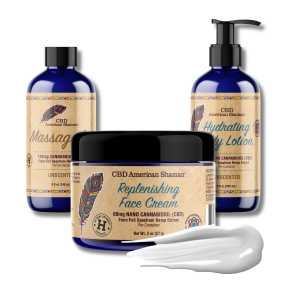
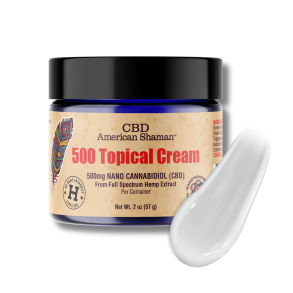
- Topical Application: The method does not involve ingestion or inhalation as the compound interacts with skin layers for localized relief. Applying creams or balms directly to the skin surface targets specific external areas.
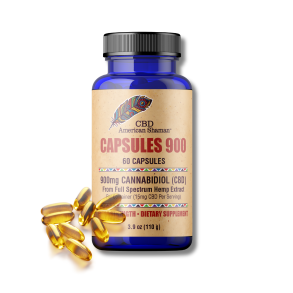
- Capsule-Based Intake: The approach offers a tasteless and convenient way to include cannabinoids in a daily supplement routine. Consuming standardized servings in a pill format provides a consistent amount of the compound every time.
1. Oral Ingestion
Oral ingestion is the process of swallowing CBD so that it travels through the digestive system before reaching the bloodstream. Oral ingestion requires the compound to be broken down by stomach acids and processed through natural digestive pathways. The duration of the journey through the digestive tract results in a different experience compared to other delivery techniques. Consumers prefer the oral ingestion route because it offers a sustained presence of the compound within the body over several hours. Oral ingestion centers on the total milligrams per serving found in products (gummies or infused beverages). Clear labeling on the items makes it simple to track daily intake for consistent results. The digestive process ensures that the botanical elements are distributed throughout the system in a gradual manner. The steady nature makes it a favorite for consumers seeking a consistent experience. Utilizing oral ingestion remains a cornerstone of hemp-based wellness due to its simplicity and familiarity.
2. Sublingual Use
Sublingual use involves placing CBD oil drops directly under the tongue to facilitate absorption through the oral mucous membranes. The area of the mouth is rich in capillaries, which allow the compound to enter the circulatory system while bypassing the digestive tract. Consumers hold the liquid in place for sixty to ninety seconds before swallowing any remaining fluid. The technique offers a different absorption pathway compared to standard oral ingestion methods. Sublingual style is measured in drops or milliliters using a calibrated dropper. Precise measurement allows for small adjustments to the serving size based on consumer requirements. Consumers value the method for its efficiency and the ability to control the experience closely. The natural flavors of the hemp extract are present in the oil-based formats. Engaging in sublingual use supports the integration of cannabinoids into a daily wellness plan with minimal delay.
3. Inhalation
Inhalation is a delivery method where CBD enters the body through the lungs via vape devices or hemp flowers. The compound travels into the pulmonary system, where it is absorbed through the thin walls of the lung tissue. The pathway leads directly into the bloodstream, resulting in a quicker onset. Consumers select the inhalation route for its immediate nature during specific situational needs. Inhalation is controlled by the number of puffs taken during a single session. Consumers easily monitor their intake by adjusting the duration and frequency of their inhalations. The method offers a unique sensory experience that differs significantly from swallowing or topical application. Use high-quality hardware and clean extracts to ensure a positive experience. Selecting inhalation offers a quicker option for consumers who prefer an alternative to digestive processes.
4. Topical Application
Topical application refers to the practice of applying CBD-infused products directly to the surface of the skin. The category includes various forms (creams, balms, lotions, and salves) designed for external use. The compound interacts with receptors in the skin layers rather than entering the central bloodstream. The localized approach is different from ingestion or inhalation methods that distribute the compound more broadly. Topical application is based on the physical amount of product applied to a specific area of the body. Consumers target specific regions (the knees, elbows, or lower back) for concentrated relief. The method is favored by active individuals or consumers looking to promote skin comfort. The presence of other botanical ingredients (essential oils) complements the hemp extract in these formulas. Regular topical application allows for a versatile way to incorporate cannabinoids into a skincare or recovery routine.
5. Capsule-Based Intake
Capsule-based intake defines a standardized oral delivery form where CBD is encapsulated for easy swallowing with water. The products resemble traditional vitamins or dietary supplements and provide a fixed amount of the compound in every serving. The method eliminates the need for measuring liquids or dealing with the natural taste of hemp oil. Consistency in serving is a primary advantage as each capsule contains a standardized serving of the compound. The digestive system processes these capsules in a similar way to other edible formats for a sustained release. Consumers find capsule-based intake to be the most convenient way to maintain a long-term cannabinoid regimen. Portability makes the items ideal for travel or use during a busy workday. The shells are made from gelatin or plant-based materials to suit different dietary preferences. Opting for capsule-based intake provides a convenient and mess-free solution for consumers focused on overall health.
Does CBD stay in your Body for a long time?
Yes, CBD stays in your body for a long time, potentially remaining for 2 to 4 weeks, depending on the frequency of use and the individual’s metabolism. CBD can stay in the system for about 2 to 5 days after a single use. CBD may be detectable for up to 10 to 14 days for regular consumers. The compound is lipophilic, meaning it is stored in fatty tissues and gradually released and processed. Factors (body mass index, hydration levels, and the specific delivery method) can influence how long it stays in the body. The body processes the remaining metabolites through natural excretory processes, and a consistent routine may help support long-term wellness goals.
What is CBD?
Cannabidiol (CBD) is a prominent cannabinoid found within the cannabis sativa plant species, specifically in high concentrations within industrial hemp. The chemical compound is one of over a hundred different cannabinoids that naturally occur in the botanical structure. The specific molecule is non-intoxicating and does not produce a high sensation, unlike other compounds found in the plant. Scientists classify it as a phytocannabinoid because it is derived from a plant source. The chemical nature of the substance allows it to interact with the body’s systems for balance. Extraction methods isolate the molecule from the plant material to create concentrated oils and powders. CBD’s versatility makes it a popular ingredient in a wide range of lifestyle products. Researchers continue to explore the various characteristics of the complex botanical element. Defining CBD involves understanding its role as a natural component of the hemp plant.
What are the ways CBD is extracted?
The ways to extract CBD are listed below.
- CO₂ Extraction: Pressurized carbon dioxide acts as a solvent to pull cannabinoids and terpenes from the plant material at specific temperatures. The method is highly regarded for producing a clean and pure final product.
- Ethanol Extraction: High-grade alcohol serves as a solvent to soak the hemp and strip away the desired botanical compounds. The process is efficient for large-scale production and captures a wide spectrum of cannabinoids and flavonoids.
- Hydrocarbon Extraction: Solvents (butane or propane) pass through the plant matter to dissolve the essential oils and cannabinoids. The technique is known for maintaining the aromatic profile of the original hemp plant while yielding a potent extract.
- Oil Infusion: Carrier oils (olive or coconut oil) are heated with the hemp material to naturally absorb the cannabinoids. The traditional method is simple and safe, but results in a lower concentration of the compound compared to modern solvent-based techniques.
Is CBD a naturally occurring compound in cannabis?
Yes, CBD is a naturally occurring compound that develops within the trichomes of the cannabis sativa plant. The microscopic glandular structures produce the cannabinoids and terpenes that define the chemical profile of the species. The plant synthesizes the molecule through complex biological pathways starting from precursor acids. A CBD compound serves as one of the primary active constituents found in the hemp variety of the plant. Natural environmental factors (light and temperature) influence the concentration of the compound during the growth cycle. Harvesting the plant at the peak of its maturity ensures a high yield of the specific cannabinoid. The substance has existed in the botanical world long before any human intervention or extraction processes took place. Recognizing its natural origin helps understand its role in overall well-being.
Is CBD Extraction Necessary?
Yes, CBD extraction is necessary to separate the beneficial cannabinoids from the raw plant material for effective use. Raw hemp contains a large amount of fibrous cellulose and other components (lignin, chlorophyll, and terpenes) that are not ideal for direct consumption in large quantities. The extraction process concentrates the active molecules into a manageable form ( oil or isolate). The step allows manufacturers to remove unwanted elements (wax, chlorophyll, or excessive plant debris). Concentrating the compound allows consumers to take precise servings without needing to consume massive amounts of raw plant matter. Purification during extraction helps remove impurities gathered during the growing process. Specialized equipment is required to perform these tasks safely and efficiently. Modern lifestyle products rely on advanced methods to provide consistent and high-quality results.
What Forms of CBD Comes In?
The forms of CBD it comes in are listed below.
- CBD Oils: Liquid extracts combine the hemp compound with a carrier oil to create a versatile product for oral or sublingual use. The items come in glass bottles with droppers for precise measurement of every serving.
- CBD Capsules: Standardized servings of the compound are enclosed in a dissolvable shell for easy ingestion. The format offers a convenient way to integrate cannabinoids into a daily supplement routine without any flavor.
- CBD Edibles: Infused food products(gummies or chocolates) provide a tasty way to consume the compound through the digestive system. The items are popular for their discreet nature and pre-measured milligram amounts.
- CBD Topicals: Creams, lotions, and balms allow the compound to be applied directly to the skin for localized relief. The form is ideal for external use and does not enter the bloodstream like other versions (oils, tinctures, and edibles).
- CBD Vapes: Specialized liquids or flowers are designed for inhalation through heating devices. The form provides a quick delivery method that bypasses the digestive tract for fast results.
1. CBD Oils
CBD oils represent a foundational category within the multi-format product system derived from the hemp plant. The liquid form consists of a concentrated hemp extract blended with a food-grade carrier oil such as Medium-Chain Triglycerides (MCT) or hemp seed oil. The physical nature of the oil allows for a high degree of versatility in how the compound is consumed. The products are packaged in amber glass bottles to protect the delicate cannabinoids from light degradation. A calibrated dropper is included to help consumers measure their intake with significant precision. The format is favored by consumers who enjoy the natural, earthy profile of the plant or prefer to mix the extract into foods and drinks. The CBD oil serves as a delivery vehicle that helps maintain the compound’s consistency over time. Consumers start their wellness journey with the classic format due to its widespread availability. Utilizing CBD oils offers a flexible option suitable for beginners and experienced consumers.
2. CBD Capsules
CBD capsules are a specific type of oral delivery system where the hemp extract is contained within a pill-like structure. CBD capsules are designed for consumers who prefer a standardized and mess-free way to maintain their cannabinoid intake. The products belong to the broader multi-format product category system that focuses on convenience and portability. Each shell contains a precise amount of the compound, offering convenience and consistency. The capsules are swallowed with water and processed by the digestive system for a gradual release. The format is ideal for consumers who already have a daily vitamin or supplement routine. There is no taste or texture associated with the method that appeals to consumers sensitive to the flavor of hemp. Manufacturers use high-quality ingredients to ensure the integrity of the extract remains intact during storage. Choosing CBD capsules provides a consistent and discreet experience for daily wellness management.
3. CBD Edibles
CBD edibles are food and beverage items that have been infused with hemp-derived cannabinoids to create a consumable wellness product. CBD edibles include a wide variety of snacks (gummies, chocolates, and even infused sparkling waters). The product functions as part of a diverse multi-format product category system that offers an alternative method of cannabinoid ingestion. The digestive process breaks down the food material, leading to the gradual absorption of the extract into the system. Consumers appreciate the familiar taste and convenience that the items provide during a busy day. Each piece usually contains a specific milligram count, which makes tracking the total daily intake very simple. The discreet method is perfect for use in public settings where other forms are less practical. The variety of flavors and textures available ensures there is an option for every palate. Incorporating CBD edibles into a routine provides a convenient and enjoyable method of daily cannabinoid intake.
4. CBD Topicals
CBD topicals are products designed specifically for external application to the skin rather than for ingestion or inhalation. CBD topicals include items (cooling creams, thick balms, and smooth lotions) infused with hemp extract. The items reside within the multi-format product category system that serves those looking for localized interaction on the body surface. The compound absorbs into the skin layers for localized relief. The method does not result in the compound entering the central bloodstream, which makes it distinct from oils or capsules. The formulas include additional botanical ingredients(menthol or lavender) to improve the sensory experience. Active consumers use the products after physical exertion to promote comfort. The ease of application allows for targeted use whenever it is needed throughout the day. Selecting CBD topicals offers a specialized way to include hemp in a skincare regimen.
5. CBD Vapes
CBD vapes are a specialized delivery format where hemp extract is turned into a vapor for inhalation. CBD vapes consist of a liquid juice or a concentrated distillate that is heated within a compatible device. The method functions as a key component of the multi-format product category system that provides the fastest route for the compound to enter the system. The vapor passes through the lungs and enters the circulatory system quickly after use. The fast delivery makes it a popular choice for consumers who prefer quick serving methods. High-quality vape products prioritize clean ingredients and avoid harmful thinning agents to ensure a safe experience. The devices used for the method are portable and rechargeable for convenience on the go. Consumers find the act of vaping to be a relaxing addition to their overall wellness routine. Utilizing CBD vapes allows for control over the experience through the number of inhalations taken.
How to use CBD?
To use CBD, follow the five steps below.
- Select Product. Choose a specific format like oils, capsules, or topicals that aligns with individual goals and lifestyle needs. This initial step determines the delivery pathway the compound will take through the body.
- Determine Serving. Read the product label carefully to identify the suggested milligram amount per serving for that specific item. Start with a lower amount to observe how the system responds before increasing the intake.
- Apply Method. Users facilitate absorption by using the chosen product according to its design through swallowing capsules, applying creams, or placing oil under the tongue. Consistent application helps maintain a steady presence of cannabinoids within the physiological system.
- Monitor Response. Observe the body for a period of time after consumption to track how the system responds to the current routine. Tracking these responses assists in making informed adjustments to the timing or amount of the compound used.
- Maintain Consistency. Repeat the chosen serving at the same time each day to establish a regular long-term wellness routine. Regularity is key to allowing the compound to integrate fully with the body’s natural balance.