






The best way to take CBD oil is through six primary methods (sublingual, swallowing, topical application, capsules or softgels, vaping, and edibles). CBD oil is derived from hemp and contains cannabidiol, blended with a carrier oil (MCT oil or hemp seed oil), and each method follows a distinct absorption pathway that influences how quickly and how long the compound remains active in the body. Sublingual use places drops under the tongue for quicker absorption through oral tissues, while swallowing and capsules or softgels pass through the digestive system for a slower and more gradual release.
Topical application delivers the extract directly to a targeted skin area without systemic absorption, making the format suitable for localized use. Edibles incorporate CBD oil into food or drinks, extending absorption time while fitting into meal routines. Vaping introduces the compound through inhalation, providing fast absorption. Personal routine, consistency, and preference remain the primary practical guides for selecting a suitable method of CBD oil intake.
1. Sublingual
Sublingual administration of CBD oil involves placing drops directly under the tongue for absorption. The method allows for quicker absorption through oral tissues before digestion, bypassing the digestive system. Holding the drops under the tongue for 15–45 seconds allows absorption through oral tissues before swallowing. The short holding time enables CBD to be absorbed quickly compared to other methods. Absorption occurs within 15–45 seconds, although the timing may vary based on separate factors.
Sublingual administration offers a faster onset of effects, within 15 to 30 minutes, making it suitable for people who prefer a faster onset experience. The method may offer efficient absorption compared to oral formats, as less CBD is broken down by the digestive system. Holding the oil under the tongue may help support consistent absorption, which supports a consistent intake experience. The sublingual method is popular for people who prefer precise serving control and a quicker onset experience without the delay of digestion.
2. Swallowing
Swallowing CBD oil involves ingesting the oil directly, in the form of a capsule, softgel, or by consuming the oil straight from a dropper. Digestion is required before cannabidiol enters the bloodstream, with absorption occurring through the digestive system. Compared to sublingual administration, the method results in a slower onset of effects. The effects may take anywhere from 30 minutes to two hours to manifest, depending on personal digestion rates and metabolism.
Swallowing CBD oil may offer sustained effects compared to sublingual intake. Cannabidiol is processed over an extended period as the digestive system absorbs the oil, providing sustained effects. The method suits people seeking effects throughout the day. Swallowing CBD oil allows for consistent dosing, as digestion avoids the immediate absorption rate variability seen with sublingual use. Cannabidiol’s effects last for hours, as the digestive system processes the oil, making it suitable for extended use.
3. Topical Application
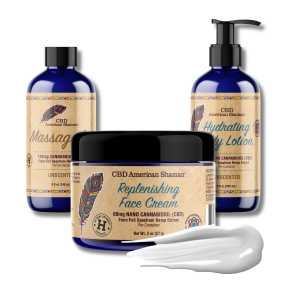
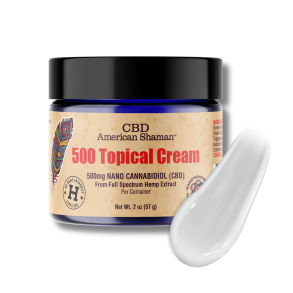
Topical application of CBD oil involves directly applying the oil to the skin for localized effects. Cannabidiol in the oil interacts with receptors in the skin tissue, providing comfort for targeted areas. The oil is absorbed through the skin’s surface and works specifically at the application site, without entering the bloodstream. Effects from topical CBD oil take longer to appear compared to sublingual or oral consumption, but the relief lasts longer in the treated area.
Topical CBD oil may provide support for localized discomforts like muscle soreness or skin irritation. Relief is localized to the applied area, since the oil does not enter the bloodstream. Using a thin layer and massaging the oil into the skin improves absorption. The process may help provide sustained comfort in the targeted area, where it is needed. The method is suited for diverse localized discomforts.
4. Capsules or Softgels
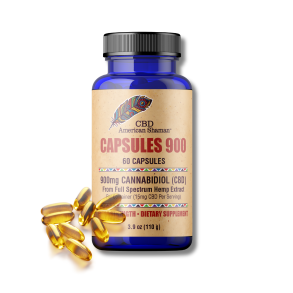
Capsules or softgels provide pre-measured doses of CBD, making tracking intake and maintaining consistency in daily use easy. CBD is encased in a gel or capsule, providing a convenient way for users to consume cannabidiol. Similar to edibles, capsules or softgels have a slower onset of effects because cannabidiol must pass through the digestive system before absorption into the bloodstream. Effects may take anywhere from 30 minutes to two hours to manifest, depending on digestion and personal metabolism.
Capsules or softgels may suit routine users seeking consistent doses of cannabidiol. Pre-measured doses offer easy consolidation into a daily regimen, improving convenience. The method may suit people seeking steady, ongoing intake rather than quick absorption. Effects may last longer compared to faster-acting methods, since cannabidiol is processed through the digestive system. Capsules and softgels ensure users maintain consistent dosing without the need for additional preparation or measuring.
5. Vaping
Vaping is an inhalation method for consuming CBD, where vaporized cannabidiol is inhaled into the lungs. The absorption occurs quickly through the lung tissue, allowing CBD to enter the bloodstream almost immediately. Fast absorption leads to immediate effects, making vaping suitable for people seeking a rapid onset. Vaping provides a quicker onset of effects within minutes, unlike oral or sublingual methods, due to the direct path to the bloodstream.
The method is not suitable for everyone, despite the fast-acting nature of vaping. People with respiratory issues or sensitivity to inhaled substances must avoid vaping CBD. Concerns about lung health and potential long-term effects must be considered before use. People with pre-existing lung conditions or concerns about inhaling vapor must consider other consumption methods.
6. Edibles
Edibles include CBD-infused gummies, drinks, and diverse foods. CBD is absorbed through the digestive system, resulting in slower absorption compared to methods (inhalation or sublingual consumption). The effects take 30 minutes to two hours to become noticeable, as CBD must first pass through digestion before entering the bloodstream. The relief from edibles lasts hours, providing prolonged effects, although the onset is slower.
Edibles may work well for people seeking prolonged effects throughout the day. Slower absorption ensures steady and prolonged effects, making edibles effective for providing steady effects. Gummies, drinks, and foods offer a simple method of incorporating CBD into daily routines. The delayed onset may not suit people who need quick effects, but the steady relief is ideal for people who prefer prolonged effects without frequent dosing.
How Long Should you Hold CBD Oil Under Your Tongue?
You should hold CBD oil under your tongue for 30–60 seconds to raise absorption. The area under the tongue contains blood vessels, which assist the quick absorption of CBD into the bloodstream. Holding the oil in place for the amount of time, cannabidiol has the opportunity to be absorbed directly through the mucous membranes, bypassing the digestive system. The process leads to a rapid onset compared to other consumption methods. Holding the oil for less than 30 seconds may limit absorption, while holding it longer than 60 seconds does not significantly change effects. The method may be effective for people seeking efficient absorption of CBD. Proper absorption helps CBD enter the bloodstream efficiently, providing a quick onset.
How Many CBD Gummies Should Take Per Day?
The CBD gummies you should take per day depends on factors (personal tolerance, desired effects, and the CBD dosage per gummy). Starting with one or two CBD gummies per day is recommended for people new to CBD. Each gummy contains 10-30 mg of CBD, and beginning with a lower dosage allows the body to adjust slowly. The dosage can be increased slowly over time based on personal needs. Following the recommended dosage on the product label is vital, as taking the recommended may lead to unwanted side effects. Consulting with a healthcare provider can help determine the appropriate dosage. Adjusting the dosage of CBD Gummies based on personal response ensures a tailored approach.
Which Skin Areas Are Best for Topical CBD Oil Application?
The skin areas commonly used for topical CBD oil application include joints, muscles, temples, and the neck. Common target spots include areas that experience daily physical strain and tension, making direct application beneficial. Areas like knees, elbows, wrists, and shoulders are focused on for localized use, while the temples and neck address tension that accumulates throughout the day. Applying CBD oil directly to specific areas allows the product to focus on targeted application rather than being applied broadly across the body.
Clean skin is vital for optimal product application at targeted sites. Dirt, excess oil, and residue on the skin surface can block proper contact with the product and the skin. Washing the target area (knees, neck, temples) before application removes unwanted barriers efficiently. The simple step helps improve contact at the intended spot, making clean skin beneficial before using topical CBD oil.
Can CBD Oil be Swallowed Directly?
Yes, CBD oil can be swallowed directly. Swallowing CBD oil is a simple method where the product passes through the digestive system before entering the bloodstream. Placing the oil under the tongue for 30 to 60 seconds before swallowing may increase absorption speed through the mucous membranes. Swallowing the oil directly without holding it under the tongue still delivers the compound to the body, though the digestive process may take longer. Checking the product label for serving size guidance before swallowing helps ensure proper use of CBD oil.
How to Measure a CBD Tincture Dose Accurately?
To measure a CBD Tincture dose accurately, follow the ten steps below.
- Read the Label Carefully. The product label contains information about the total CBD content and recommended serving size. Reviewing the label before use sets the foundation for accurate measurement.
- Calculate CBD per mL. Dividing the total CBD content by the total volume of the bottle gives the CBD per milliliter. The calculation helps determine how much product is needed per serving.
- Inspect the Dropper. The dropper is the primary measuring tool for a CBD tincture, so checking for cracks, residue, or damage before use is vital. A clean and intact dropper ensures an accurate and hygienic measurement.
- Measure the Desired Dose. Drawing the oil to the marked line on the dropper provides a controlled serving. Measuring at eye level prevents miscalculation caused by angle distortion.
- Use Drop Counting if Needed. Counting separate drops is a method when the dropper does not have clear measurement markings.
- Shake the Bottle Before Use. CBD tinctures can separate over time, leading to uneven distribution of the compound.
- Take the Dose Consistently. Taking a CBD tincture at the same time each day helps maintain a routine.
- Start With a Low Dose. Beginning with a smaller amount allows for slow adjustment before increasing the serving size.
- Record the Intake. Keeping a written log of the date, time, and amount helps track patterns.
- Use a Syringe for Precision. A measured syringe provides consistent dosing compared to a standard dropper for specific serving sizes.
What is the Correct Way to Take a CBD Tincture?
The correct way to take a CBD tincture is by placing the measured amount under the tongue using a dropper and holding the liquid for 30 to 60 seconds before swallowing. A CBD tincture differs from a standard CBD oil in formulation, as tinctures are alcohol-based extracts while CBD oils use a carrier oil (coconut, hemp seed, or MCT oil) as the base. Understanding the difference between the two helps set proper expectations for how each product is used and absorbed by the body.
Measuring the correct amount starts with reading the product label to identify the CBD content per milliliter, then drawing the liquid to the marked line on the dropper. Taking the product at the same time daily helps maintain a routine for steady use. Morning or evening administration is a common timing preference depending on personal schedules. Recording each serving helps monitor patterns and adjust usage when needed.
How does CBD Oil Differ From CBD Tincture in Terms of Usage?
CBD oil differs from CBD tincture in terms of usage, mainly in base ingredients, absorption rate, and taste. CBD oil uses a carrier oil (coconut, MCT, or hemp seed oil) as the base, while a CBD tincture uses an alcohol-based solution combined with other additives (flavoring, vitamins, or herbal extracts). Knowing the difference between the two helps consumers make informed decisions based on preference and use. CBD oil offers flexibility as the product can be applied to the skin, added to food, or taken sublingually. A CBD tincture is designed for under-the-tongue use, where the liquid is held for 30 to 60 seconds before swallowing. The alcohol base in a tincture allows quicker absorption into the bloodstream compared to oil taken orally. Choosing between the two depends on taste preference, absorption speed, and application method.
The difference between CBD oil and CBD tincture is shown in the table below.
| Factor | CBD Oil | CBD Tincture |
| Ingredients | Carrier oil (MCT, coconut, hemp seed) | Alcohol-based with additives |
| Absorption | Moderate via sublingual or oral | Quicker via sublingual absorption |
| Taste | Earthy, natural hemp flavor | Milder, flavored |
| Usage | Sublingual, topical, or ingested | Sublingual |
What Tools Help You Measure a CBD Tincture Accurately?
The tools to help you measure a CBD tincture accurately are listed below.
- Graduated Dropper: A graduated dropper is the common tool included with CBD tincture bottles, featuring measurement markings that allow the liquid to be drawn to a specific level (0.5 mL or 1 mL) for a controlled serving.
- Oral Syringe: An oral syringe provides a higher level of precision than a standard dropper, making the tool ideal for smaller or specific serving sizes.
- Measuring Spoon: A measuring spoon (teaspoon or tablespoon) offers a simple and accessible option, where a standard teaspoon holds 5 mL of liquid as a reference point.
- Milligram Scale: A milligram scale measures the exact weight of the liquid dispensed, offering a highly accurate reading for requiring precise amounts.
- Shot Glass with Measurements: A small shot glass with printed measurement markings provides a quick visual confirmation of the liquid volume before consumption.
- CBD Dosage Calculator App: A CBD dosage calculator app determines the right serving size based on product concentration and bottle volume, removing the need for manual calculation.
- Measurement Conversion Chart: A measurement conversion chart translates units (mL to drops or teaspoons) for people working with tools that use different measurement systems.
- Journal or Intake Log: A journal or intake log records the date, time, and amount taken per serving, creating a reliable reference for tracking consistency over time.
Can CBD Tinctures Be Mixed Into Food or Drinks?
Yes, CBD tinctures can be mixed into food or drinks. Adding a measured amount of tincture to beverages (coffee, tea, or smoothies) or food (yogurt, oatmeal, or salad dressings) is a common and practical method for people who prefer not to take the product sublingually. Mixing the tincture into hot liquids may affect the compound, so adding the product to warm rather than boiling preparations is a suitable approach. The digestive process takes longer compared to sublingual use, meaning the onset of effects may differ when the product is consumed through food or drinks. Reading the product label before mixing ensures the serving size remains accurate regardless of the chosen method.
How Much CBD Oil Should Take Daily?
The amount of CBD oil to be taken daily has no universal dose, as the right serving varies from person to person based on separate factors. Body weight plays a role, with higher body weight possibly requiring a larger serving to notice any difference. The nature of the goal being addressed influences how much product is appropriate, and personal tolerance is a factor for new users. Starting with a low amount and adjusting over time is a progressive approach to finding a suitable daily serving.
Consistency and careful observation help in determining a daily CBD oil routine. Keeping a written log of the serving size, timing, and personal response helps identify patterns. Consulting a healthcare professional before establishing a daily serving is recommended for people managing health conditions or taking medications. A structured and patient approach remains the method for finding the optimal daily amount of CBD oil.
How to Calculate CBD dosage From a Tincture Bottle?
To calculate the CBD dosage from a tincture bottle, follow the six steps below.
- Locate the Total CBD Content. The total CBD content is printed on the product label, expressed in milligrams (mg). The number constitutes the total amount of CBD present in the entire bottle.
- Identify the Total Bottle Volume. The total volume of the tincture bottle is listed on the label in milliliters (mL). A standard tincture bottle (30 mL) is the common size available.
- Apply the Formula. Dividing the total CBD content by the total bottle volume gives the exact amount of CBD per milliliter. A 1,000 mg bottle with 30 mL volume produces 33.3 mg of CBD per mL.
- Determine the Dropper Volume. A standard dropper holds 1 mL of liquid per full draw. Knowing the dropper volume confirms how many milligrams are being taken per serving.
- Calculate the Desired Serving. Multiplying the desired mg amount by the mL equivalent determines the exact dropper measurement needed. A target of 16.5 mg from a 1,000 mg/30 mL bottle requires drawing 0.5 mL.
- Verify With the Product Label. Cross-checking the calculated amount with the serving size recommendation ensures the measurement aligns with the label. Adjustments can be made based on personal needs and tolerance.
How to Adjust CBD Oil You Take Daily?
To adjust the CBD oil you take daily, follow the five steps below.
- Start With a Consistent Baseline. Beginning with the same serving size for at least one week helps track any future changes.
- Adjust Slowly. Increasing or decreasing the serving size in small increments (2.5 mg to 5 mg at a time) helps find the suitable amount.
- Adjust Based on the Goal. Different goals may call for different serving sizes, so aligning the adjustment with the intended purpose keeps the process focused.
- Watch for Signs of the Right Dose. The optimal amount refers to the serving size where the desired outcome feels consistent without requiring further increases.
- Use mg, Not Drops. Measuring in milligrams provides an accurate and standardized way to track and adjust daily intake across different CBD oil formulations.
Can CBD Oil Formulation Affect Dosage Accuracy?
Yes, CBD oil formulation can affect dosage accuracy. Different formulations vary in concentration, viscosity, and base ingredients, which influence how much product is dispensed per drop or dropper draw. A thicker oil (full-spectrum or high-concentration formula) may produce larger drops compared to a thinner, lower-concentration product, making drop-counting an unreliable measurement method across different formulations. Alcohol-based tinctures and oil-based formulas behave differently in a dropper, where viscosity determines how quickly and consistently the liquid fills the measuring tool. Using milligrams as the standard unit of measurement rather than drops ensures consistent dosing regardless of the formulation being used.
When is the Ideal Time to Take CBD Oil?
The ideal time to take CBD oil depends on personal goals, daily schedule, and how the body responds. Morning use is a common preference for people who want to incorporate CBD oil into a structured daily routine. Evening use is another timing preference for people who prefer taking the product as part of a wind-down routine. An as-needed approach is practiced, where the product is taken at specific moments based on personal circumstances.
Consistency in timing helps establish a reliable CBD oil routine. Taking the product at the same time each day builds a structured habit. Keeping a log of the time, serving size, and personal observations helps track effectiveness. A consistent and well-observed routine helps in finding the best time for daily CBD oil use.
How does Timing Affect CBD Effectiveness?
Timing affects CBD oil performance by influencing how consistently the product works within a routine. Taking CBD oil alongside a meal containing healthy fats (avocado, nuts, or olive oil) may support better absorption. Taking the product on an empty stomach may produce a quicker but less sustained experience compared to taking CBD with food. The body responds predictably when the product is taken at the same time each day, as a structured routine allows for consistent results.
Building a reliable timing routine reduces inconsistency, making evaluating results easier. Randomly shifting the time of use from day to day makes identifying patterns harder. Pairing CBD oil with an existing daily habit (morning coffee, evening meal, or bedtime routine) helps maintain consistency. A well-timed and routine-based approach helps support the effectiveness of CBD oil use.
Should You Take CBD Oil at the Same Time Every Day?
Yes, taking CBD oil at the same time every day helps maintain consistency. A fixed daily schedule helps establish a predictable pattern, making personal observations reliable over time. Inconsistent timing can make it harder to identify how the product fits into a routine, as shifting schedules introduce variables that complicate tracking. Pairing CBD oil with an existing daily habit (morning breakfast, evening meal, or bedtime routine) helps maintain consistency. A consistent daily timing approach helps build a structured CBD oil habit.