





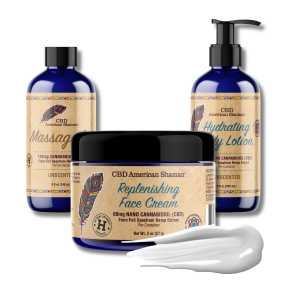
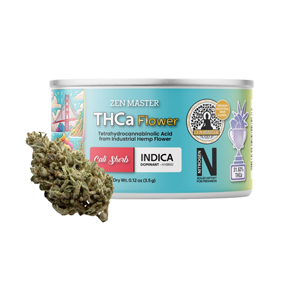
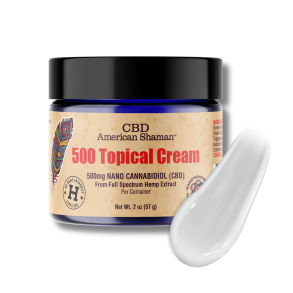
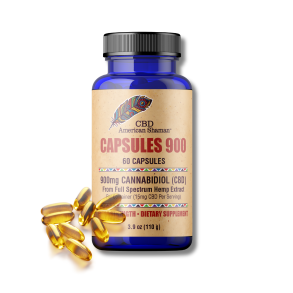

To read a CBD product label properly, a consumer must understand each printed figure, term, and disclosure that identifies what the product contains (how to use it, and whether it meets federal quality standards). Reading a CBD product label correctly starts with recognizing that every section serves a distinct and non-interchangeable purpose. The printed components cover a specific data point, from the total cannabinoid count on the front panel to the batch number near the bottom edge. Quality CBD products present information in a format that addresses potency, ingredients, testing verification, and manufacturer accountability in one place. Knowing what each element means transforms a product label into a practical decision-making tool. A consumer who reads a label correctly gains direct insight into the product’s purity, legal compliance, and overall trustworthiness before the first dose is ever taken.
1. Find the Total CBD Amount
Find the total CBD amount printed on the front or back panel of a CBD product, represented by a milligram figure, which shows the full content of the product. The number in milligrams is an important figure on any CBD label because it determines the overall potency of the product. A 1,000 mg tincture contains a total of 1,000 mg of CBD, which is distributed across all servings in the bottle, not per dose. Confusing total CBD with per-serving CBD is a common mistake consumers make when comparing products. A 30 mL bottle labeled “1,000 mg CBD” delivers 33 mg per 1 mL serving, not 1,000 mg per use. The total milligram figure is displayed on the label, separate from the nutrition or supplement facts panel.
2. Check CBD Per Serving
Check the CBD per serving on the supplement facts panel of the product label. The CBD per serving amount tells the consumer exactly how much cannabidiol is delivered in one measured dose of the product. Locating this figure requires reading the supplement facts panel, where it is listed under cannabidiol or hemp extract alongside the serving size. Cross-checking the per-serving amount against the total CBD and the number of servings per container confirms whether the math aligns accurately. A product with 30 servings and 1,000 mg total should show 33 mg per serving in the panel. A mismatch between the discrepancies (Total CBD per container, CBD per serving, Number of servings per container) indicates a formulation error or misleading labeling. The amount of CBD per serving determines the actual dosage, as consumers take individual doses, not the entire bottle at once. A clear and mathematically consistent CBD per serving figure reflects honest and accurate product labeling.
3. Identify the CBD Type
Identify the CBD type printed on the label, as it determines the cannabinoid profile a consumer receives in every dose. Full-spectrum labels indicate a product containing CBD along with other cannabinoids, terpenes, and up to 0.3 percent THC derived from the hemp plant. Broad-spectrum labels indicate a product that retains multiple cannabinoids and terpenes but has had THC removed through additional processing. Isolate labels refer to pure CBD with all other plant compounds stripped away, leaving just one cannabinoid in the formula. Different CBD types (full spectrum, broad spectrum, and isolate) affect how the product interacts with the body, with full spectrum products known for the entourage effect, where cannabinoids produce enhanced results. The distinction between CBD types is important for consumers sensitive to THC. Identifying the CBD type on the label before purchasing helps avoid mismatched expectations and ensures the product meets the consumer’s specific needs.
4. Verify THC Content
Verify THC content on a CBD label, which appears as a percentage or milligram disclosure, within the supplement facts panel. Federal law establishes 0.3 percent THC as the legal threshold for hemp-derived CBD products sold in the United States, meaning any product exceeding this level falls outside legal compliance. Labels stating “trace THC” indicate amounts present below detectable or reportable limits in many standard testing protocols. Labels marked “0.0% THC” or “THC-free” signify non-detect results from third-party lab testing, confirmed by a certificate of analysis. The absence of any THC disclosure on a label raises concerns of incomplete or non-compliant labeling. Understanding the THC content listed on the label helps consumers make legally and personally informed decisions about the products they choose.
5. Look for CBD Lab Result
Look for the CBD Lab Result that appears as a QR code pointing to third-party lab results for the specific CBD product. Third-party testing means an independent laboratory, unaffiliated with the manufacturer, has verified the cannabinoid content, THC levels, and the absence of contaminants (like heavy metals, pesticides, and solvents). The Certificate of Analysis (COA) reference on the label connects the physical product to a verifiable document that confirms what the label claims. When no COA reference appears on a label, the consumer has no independent means of verifying the product’s potency or purity. A missing or outdated COA is a clear indicator that a product may lack transparency or quality control standards. Batch-specific COAs reflect the exact production run of the product in the consumer’s hands. Products from brands that provide accessible, up-to-date CBD lab results through scannable codes or printed web addresses demonstrate a commitment to verified quality.
6. Read the Ingredients List
Read the ingredients list on a CBD label, as it follows a descending order by weight, meaning the first ingredient listed is present in the highest concentration in the formula. Carrier oils (MCT oil, hemp seed oil, and coconut oil) appear early in compliant CBD tincture formulas and are recognized as standard delivery agents for cannabinoids. Natural flavorings, essential oils, and botanical extracts are acceptable additions that appear further down the list in transparent formulations. Concerning ingredients (artificial sweeteners, synthetic preservatives, and unspecified natural flavors), they are listed without further clarification. Filler-heavy formulas often pad the ingredient list with low-cost additives that dilute the cannabinoid content per volume. A short, recognizable ingredient list generally signals a cleaner and more intentional formulation. Reviewing the full ingredients list on every CBD product label identifies what enters the body alongside the cannabidiol in each dose.
7. Check the Serving Instructions
Check the Serving Instructions on a CBD label, as it specifies the amount to use per dose, the method of administration, and the recommended frequency of use within a given period. Tincture labels list serving size in milliliters (ml) and instruct the consumer to hold the oil under the tongue for a set number of seconds (30 to 60 seconds). Gummy and capsule labels list serving size by unit count and include guidance on how many times per day the product is appropriate to use (2 pieces per day on a 10 mg CBD gummy product). Vague instructions (use as needed, take when desired, take a few drops) without quantity or frequency guidance leave the consumer without a reliable starting point for effective use. Missing method-of-use instructions are particularly concerning for products where absorption depends directly on the delivery route (sublingual or oral). Clear and specific serving instructions reflect formulation expertise and regulatory awareness on the part of the manufacturer. The absence of structured guidance around serving instructions on a label reduces the consumer’s ability to use the product safely and effectively.
8. Find the Batch Expiry Date
Find the batch expiry date and batch or lot number that appear printed on the bottom, side panel, or neck of the container. The expiration date shows the timeframe within which the product retains its stated potency, as cannabinoids degrade over time when exposed to light, heat, and oxygen. The batch or lot number links the physical product to a specific production run and its corresponding certificate of analysis, enabling full traceability from manufacturing through retail. A product without an expiration date offers no assurance that the CBD content listed on the label remains accurate at the time of purchase. A missing batch number makes it impossible to match the product to lab test results, breaking the chain of verification. Consumers who purchase products with both clearly printed identifiers gain the ability to track quality and report issues if a recall or safety concern arises. Confirming the presence of a valid batch expiry date and lot number on every label protects the consumer and the integrity of the CBD product used.
9. Inspect Manufacturer Information
Inspect the manufacturer’s information legitimacy by locating the company’s legal name, physical address, official website, and a customer contact method (phone number or email address). The manufacturer’s details allow the consumer to verify the brand’s existence, reach out with questions, and cross-reference the company against business registration and regulatory records. An address listed on the label enables independent verification that the manufacturer operates from a real, identifiable facility rather than an anonymous or untraceable location. A website reference connects the consumer to additional product documentation, COA (certificate of analysis) access, and brand transparency resources. Labels that omit the manufacturer’s address or list only a PO (post office) box without further contact details fall short of the transparency standard associated with quality CBD brands. Regulatory bodies and third-party regulatory organizations use manufacturer information to track complaints, issue recalls, and enforce compliance. Products that display complete and verifiable manufacturer information on their labels signal accountability and consumer-first business practices.
10. Watch for Red Flags
Watch for red flags (exaggerated health claims, missing lab result references, and vague ingredient lists) as they raise legitimate doubts about the product’s quality and compliance. A label that omits key data points (total CBD, batch numbers, or manufacturer contact information) raises the CBD product’s credibility. The absence of a certificate of analysis (COA) reference is one of the obvious red flags because it removes the consumer’s only means of independent verification. Labels that use unsubstantiated language around disease treatment or guaranteed outcomes violate FDA guidelines and reflect a disregard for consumer protection standards. Recognizing the early red flags on a CBD product label is the first step toward avoiding products that misrepresent their contents.
What Information Must CBD Label Legally Disclose to Consumers?
The information that a CBD label must legally disclose to consumers is the product’s net weight or volume, cannabidiol content per serving, total servings per container, full ingredient list, and manufacturer’s details. The manufacturer’s name and place of business must appear on the label along with a statement identifying the product’s intended use. Labels must include a statement such as “These statements have not been evaluated by the Food and Drug Administration” when any structure or function claim appears in the product’s marketing.
The serving size and directions for use are required elements that provide consumers with a baseline for safe consumption. The label requirements exist to ensure consumers receive enough information to assess potency, verify ingredients, and contact the responsible party if a concern arises. Verifying compliance means checking each required field against the label in hand and cross-referencing any COA linked through a batch number or QR code. A label missing any of the required elements falls outside federal standards and signals a product that warrants caution. Strict compliance with all CBD label disclosure requirements demonstrates a solid understanding of regulations and a commitment to consumer trust.
What Does the THC Warning Label on a CBD Label Actually Mean?
The THC warning label on the CBD label means that the product contains hemp-derived THC at or below the federally legal threshold of 0.3 percent by dry weight. The THC warning is a legal disclosure, not a psychoactivity alert, meaning the listed THC amount does not have intoxicating effects at normal serving sizes. A trace THC disclosure differs meaningfully from a drug interaction warning, as trace amounts reflect residual cannabinoid content from full-spectrum extraction rather than a therapeutic or pharmacological THC dose. Drug interaction warnings, by contrast, focus on how CBD affects the liver’s ability to metabolize certain prescription medications, which is unrelated to the presence of THC. Consumers who see a THC warning on a label must check if the label specifies “trace amounts,” “less than 0.3 percent,” or “THC-free,” as each phrase carries a different implication for drug testing outcomes. Understanding what a THC warning label actually means protects consumers from unnecessary concern and uninformed risk.
How to Read CBD Percentages on Cannabis Labels?
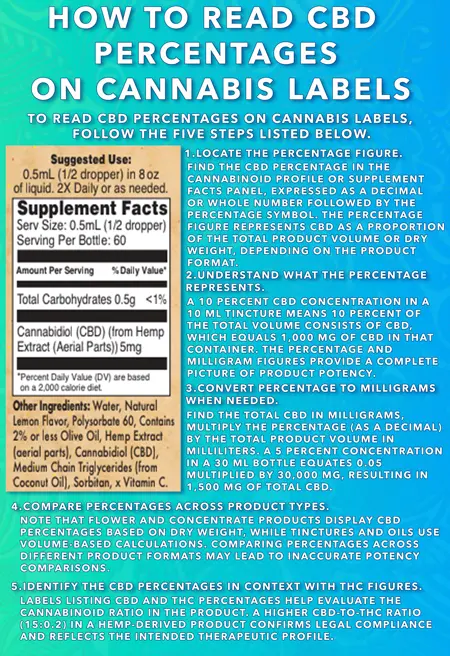
To read CBD percentages on cannabis labels, follow the five steps listed below.
- Locate the Percentage Figure. Find the CBD percentage in the cannabinoid profile or supplement facts panel, expressed as a decimal or whole number followed by the percentage symbol. The percentage figure represents CBD as a proportion of the total product volume or dry weight, depending on the product format.
- Understand What the Percentage Represents. A 10 percent CBD concentration in a 10 mL tincture means 10 percent of the total volume consists of CBD, which equals 1,000 mg of CBD in that container. The percentage and milligram figures provide a complete picture of product potency.
- Convert Percentage to Milligrams When Needed. Find the total CBD in milligrams, multiply the percentage (as a decimal) by the total product volume in milliliters. A 5 percent concentration in a 30 mL bottle equates 0.05 multiplied by 30,000 mg, resulting in 1,500 mg of total CBD.
- Compare Percentages Across Product Types. Note that flower and concentrate products display CBD percentages based on dry weight, while tinctures and oils use volume-based calculations. Comparing percentages across different product formats may lead to inaccurate potency comparisons.
- Identify the CBD Percentages in Context with THC Figures. Labels listing CBD and THC percentages help evaluate the cannabinoid ratio in the product. A higher CBD-to-THC ratio (15:0.2) in a hemp-derived product confirms legal compliance and reflects the intended therapeutic profile.
How to Calculate CBD Concentration From Label Data?
To calculate CBD concentration from label data, follow the six steps listed below.
- Identify the Total CBD Milligrams on the Label. The total CBD figure appears on the front panel or within the supplement facts section of the label. A tincture bottle states “1,500 mg CBD” as the full-container amount, for example.
- Record the Total Product Volume in Milliliters. The net volume appears as a separate figure, listed near the product weight or on the bottom panel. A standard tincture bottle commonly holds 30 mL of liquid.
- Divide Total CBD by Total Volume. The formula for CBD concentration is milligrams (mg) divided by milliliters (mL), which equals milligrams per milliliter (mg ÷ mL = mg/mL). A product with 1,500 mg of CBD in 30 mL of liquid, for example, results in a concentration of 50 mg/mL, meaning each milliliter contains 50 mg of CBD.
- Convert mg per mL to a Percentage If Needed. Dividing the mg per mL figure by 10 converts the concentration into a percentage (mg/ml ÷ 10 = percentage). A concentration of 50 mg per mL equals a 5 percent CBD concentration by volume.
- Cross-Check Against the Per-Serving Figure. Multiply the mg per mL result by the listed serving size in milliliters to confirm the per-dose CBD amount. The expected per-serving CBD content at 50 mg per mL is 50 mg if the label lists a 1 mL serving.
- Avoid Common Calculation Mistakes. Confusing total CBD with per-serving CBD inflates the perceived potency of the product. Applying a dry-weight percentage formula to a liquid product produces an inaccurate and misleading concentration result.
What Does Label THC Mean Regarding Potency?
The label THC indicates legal compliance status, not psychoactive potency or intoxicating effect. Federal law sets the legal hemp threshold at 0.3% THC by dry weight, and any figure at or below this level on a label confirms the product meets regulatory standards for sale across the United States. Sub-0.3% THC amounts are too small to produce psychoactive effects in standard serving sizes, making the label disclosure a regulatory marker rather than a potency warning. The presence of trace THC in a full-spectrum product does interact with CBD and other cannabinoids through the entourage effect, which does not cause intoxication. Consumers who interpret the THC percentage on a hemp product label as a measure of psychoactive strength are applying a framework intended for high-THC cannabis products to a different category. The CBD potency claims on the same label refer to cannabidiol concentration, not THC activity, with each figure serving a distinct purpose. Understanding label THC figures accurately helps avoid unnecessary concern and misplaced confidence about the product’s effects.
What is a Certificate of Analysis on a CBD Label?
A certificate of Analysis (COA) on a CBD label is a document issued by an accredited, independent laboratory that verifies the cannabinoid content, purity, and safety of a specific batch of CBD product. The COA appears as a reference, in the form of a QR code, a batch number paired with a website URL, or a printed web address that leads to the full document. A valid COA contains the tested cannabinoid profile listing CBD, THC, and other detected compounds with their exact concentrations. A potency summary confirming whether label claims are accurate, and contaminant screening results covering pesticides, heavy metals, residual solvents, and microbial organisms, are also included in the COA. The testing laboratory’s accreditation status, ISO 17025 certification, appears on the COA and confirms the facility meets recognized scientific standards. A COA dated within the past 12 months and matched to the product’s specific batch number holds more value than a general or outdated document. Accessing a COA through the label’s QR code or URL immediately reveals whether the product delivers what the label promises. A product that links each batch to a verifiable certificate of analysis gives the consumer direct access to independent confirmation of every label claim.
How Can the Claims on a CBD Label Be Confirmed With a COA?
The claims on a CBD label can be confirmed with a COA by enabling the consumer to cross-check every CBD figure listed on the label against independently verified lab data for the same production batch. The process begins by locating the batch or lot number on the physical product label, printed near the side panel. The batch number appears on the corresponding COA, linking the document specifically to the product in hand rather than a generalized brand sample. The CBD milligram figure on the label should align closely with the CBD concentration shown in the COA’s potency table, accounting for minor variance within a standard testing tolerance of 10 to 15 percent. THC levels reported on the COA confirm whether the product meets the federal 0.3 percent threshold and validate any “THC-free” or “trace THC” used on the label. Discrepancies between label claims and COA results (underreporting of CBD content or a THC figure exceeding the legal limit) indicate a serious labeling or formulation issue. Matching the batch number on the label to its COA is a direct and reliable method for verifying that a CBD product delivers what it claims.
Is a QR Code on a CBD Label Required by Law?
No, a QR code on a CBD label is not required by law, though its presence reflects a strong transparency standard. Federal regulations under the FDA do not mandate QR codes as a method of COA disclosure for hemp-derived CBD products. Several states (California, New York, Texas) have introduced or enacted requirements for scannable codes or accessible lab result links on cannabis and hemp product labels, meaning state-level obligations vary by market. A QR code on a label functions as a voluntary best practice that gives consumers immediate access to third-party lab results without requiring a separate web search. Products that omit any COA access method, whether a QR code, URL, or batch-linked portal, make independent verification unnecessarily difficult for the consumer. The presence of a QR code on a CBD label is a reliable signal that the brand prioritizes consumer access to testing data, even where no legal mandate exists.
How Does a CBD Label Differ From THC Labels?
A CBD label differs from THC labels in terms of regulatory framework and required disclosures. Hemp-derived CBD labels fall under federal the FDA and USDA, while THC product labels in states with legal cannabis programs are governed by state-level cannabis control boards with their own specific formatting, warning, and disclosure mandates. THC product labels in regulated markets must include universal cannabis warning symbols, child-resistant packaging indicators, and explicit statements about intoxicating effects, none of which appear on federally compliant hemp CBD labels. CBD labels must carry the FDA disclaimer stating that the product has not been evaluated by the Food and Drug Administration, a requirement that does not apply to state-licensed THC products operating under separate approval frameworks. CBD labels must show 0.3% THC or below to confirm hemp-derived status, while THC product labels display far higher percentages as primary potency indicators. Contaminant screening, cannabinoid panel requirements, and batch traceability expectations follow separate standards depending on which regulatory body governs the product category. Understanding how a CBD label differs from a THC label prevents misinterpretation of figures that carry entirely different meanings depending on the product type being read.
What Does Full Spectrum Mean on a CBD Label?
Full spectrum on a CBD label means that the product contains the complete range of cannabinoids, terpenes, flavonoids, and other phytocompounds present in the hemp plant. Multiple compounds appear alongside CBD (CBG, CBN, CBC) and detectable THC, reflecting the broad extraction method used to produce the oil in the cannabinoid panel of a full-spectrum label. The CBD label contrasts with broad-spectrum labels, which feature a similar multi-cannabinoid profile but without THC, and isolate labels, which list only CBD as the active compound. The presence of multiple cannabinoids on a full-spectrum label matters because the compounds are understood to function in unison, producing what researchers refer to as the entourage effect. A full-spectrum cannabinoid panel on a COA shows measurable concentrations for several compounds, confirming that the extraction retained the plant’s natural profile rather than isolating a single molecule. Consumers selecting a full-spectrum product must verify the THC label and the corresponding COA to confirm it remains within the legal threshold. The full-spectrum CBD label is a direct indicator of the extraction method, the cannabinoid diversity in the formula, and the regulatory compliance standard the product must meet.
What Cannabis Labeling Regulations Affect a CBD Label?
The Cannabis labeling regulations that affect a CBD label originate from the federal regulatory framework of the FDA and USDA. The FDA regulates hemp-derived cannabidiol products under the Food, Drug, and Cosmetic Act, while the USDA sets compliance standards for hemp production under the 2018 Farm Bill. A compliant CBD label under this framework must include a supplement facts panel with accurate cannabinoid content, a full ingredient list, the manufacturer’s contact information, net weight or volume, serving size, directions for use, and the standard FDA disclaimer regarding unapproved health claims.
Non-compliant CBD labels often omit one or more of the required elements, display unsupported disease treatment claims, or lack references to third-party testing documentation. A compliant label is structured, specific, and verifiable, with each data point traceable back to a batch-specific COA (Certificate of Analysis) from a consumer perspective. Non-compliant labels feature vague language, promotional claims, and missing technical data where regulatory disclosures should be. The FTC (Federal Trade Commission) also oversees CBD label accuracy, particularly addressing deceptive marketing practices and unsubstantiated efficacy claims.
How Do State Cannabis Labeling Laws Affect CBD Labels?
State cannabis labeling laws affect CBD labels by adding location-specific requirements in addition to federal standards (a CBD label sold in California faces different mandatory disclosures than the same product sold in Texas or Colorado). States like California require Proposition 65 warnings on products containing detectable levels of certain compounds, which must appear as a printed statement directly on the label. Colorado mandates specific font sizes, panel layouts, and child-safety warnings for hemp products sold within the state, requirements that go beyond what federal guidelines prescribe. Oregon, Minnesota, and Maryland require the inclusion of a universal hemp or cannabis symbol on the label, which is a standardized graphic indicator that the product contains hemp-derived compounds. States (Florida, Washington, NYC) with active hemp retail programs often require state-specific license numbers or registration identifiers to appear on the label, linking the product to a state-tracked business record. A CBD brand distributing across multiple states produces labels designed to satisfy the restrictive state requirements simultaneously, which is why labels from national brands frequently include disclosures that appear unnecessary in less regulated markets. Consumers purchasing state-specific CBD labels benefit from additional layers of disclosure that reflect the regulatory standards of their jurisdiction, layered over the federal baseline.
Can Cannabis Terpene Substances Appear on CBD Labels?
Yes, cannabis terpenes can appear on CBD labels when the formulation retains or reintroduces aromatic plant compounds through full-spectrum or broad-spectrum extraction methods. Full-spectrum and some broad-spectrum CBD products list terpenes either within the supplement facts panel as part of the hemp extract or separately in the ingredient list (myrcene, limonene, or linalool). Isolate-based products do not contain terpenes unless they are added back into the formula after extraction, in which case the terpene names appear in the ingredient list as individual additions. A COA for a full-spectrum product contains a terpene profile section listing detected compounds and their concentrations, which the label may reference through a QR code or batch number. The absence of terpene disclosure on a full-spectrum label does not mean terpenes are absent, as they fall under the broader hemp extract listing in other formulations. Consumers seeking specific cannabis terpene substances for targeted effects should look for COA terpene panels linked from the product label to confirm which compounds are present and at what concentrations.
How To Identify Red Flags on a CBD Label?
To identify red flags on a CBD label, follow the seven steps listed below.
- Look for Missing Cannabinoid Content Data. Check if the label states the total CBD milligrams or CBD per serving. The product is impossible to evaluate the product’s potency or determine if it provides a meaningful dose without CBD data.
- Check for Unsubstantiated Disease Claims. Avoid labels with claims that the product treats, cures, or prevents specific medical conditions. Legitimate products use structure and function language, like “supports relaxation,” instead of making disease-specific claims.
- Look for No COA Reference. Ensure the label includes a QR code, URL, or batch number linked to a certificate of analysis (COA). The product potency or purity cannot be verified without a COA.
- Identify Vague or Absent Ingredient Lists. Watch for labels that list only “hemp extract” or omit carrier oils and other ingredients. A proper label should disclose all ingredients in descending order by weight.
- Spot Missing Manufacturer Information. Check for the company name, physical address, and contact details. A label lacking company information removes accountability and makes it difficult to report quality issues or request documentation.
- Watch for No Expiration or Batch Data. Look for products with an expiration date or lot number. The absence of an expiration date makes it difficult to verify freshness or trace the product to a specific production batch.
- Identify Suspicious Potency Claims. Labels that claim unusually high CBD concentrations relative to the product’s price or volume, as inflated claims are a common tactic in low-quality products.
What Claims on a CBD Label Signal a Low-Quality Product?
The claims on a CBD label that signal a low-quality product are listed below.
- “Cures [Disease Name]”: Labels using cure-based language for a specific medical condition violate FDA regulations governing health claims for dietary supplements. A legitimate label uses measured structure-and-function language such as “formulated to support calm” rather than making treatment or cure assertions.
- “100% Absorption Guaranteed”: Absorption rates for CBD depend on individual biology, product format, and method of use, making any guaranteed absorption claim scientifically unsupported. A credible brand presents bioavailability information transparently without promising outcomes that vary by consumer.
- “Unlimited Potency” Without mg Disclosure: Potency descriptors without accompanying milligram figures give the consumer no verifiable basis for evaluating the claim. Legitimate labels state exact CBD content in milligrams rather than relying on marketing language to imply strength.
- “No Side Effects”: Active compounds carry the potential for individual reactions, and a claim of zero side effects misrepresents the nature of CBD. Responsible labeling acknowledges that individual responses vary and directs consumers to consult a healthcare provider.
- “Approved by the FDA”: The FDA has not approved hemp-derived CBD products as dietary supplements, making any FDA approval claim on a label a direct misrepresentation of regulatory status. Compliant labels carry the disclaimer that the product has not been evaluated or approved by the FDA.
“Certified Organic”Without Supporting Documentation: Organic certification for hemp requires USDA accreditation, and a label using this term without a verifiable certification seal or reference misuses a regulated designation.