






Full-spectrum CBD is a type of cannabidiol extract that contains all naturally existing compounds from the cannabis plant, namely cannabinoids, terpenes, flavonoids, and trace amounts of THC. Full-spectrum CBD delivers the benefits of the entourage effect, where multiple compounds work together. Full spectrum CBD” refers to a product with a complete composition to answer the question ‘what does full spectrum cbd mean?’ which distinguishes it from other CBD types by preserving all plant element.
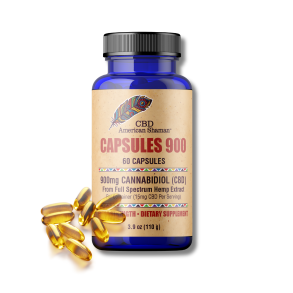
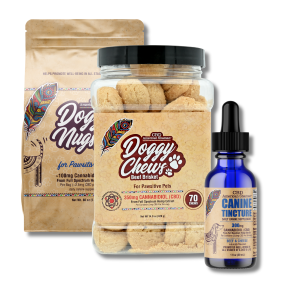
American Shaman offers a wide range of full-spectrum CBD products include various forms like oils, gummies, creams, and capsules. These products are use CO2 extraction to preserve cannabinoids and nanotechnology to enhance absorption. Each item contains full-spectrum hemp extract, blended with carrier oils to support delivery and absorption.
A full-spectrum CBD product differs from a broad-spectrum CBD and a CBD isolate. Broad-spectrum contains similar cannabinoids but is processed to remove THC, making it suitable for users avoiding any THC exposure. CBD isolate is the purest form, containing only CBD and no additional cannabinoids or terpenes. The answer to does full-spectrum CBD have THC? It is yes because it contains up to 0.3% THC. The legally permitted level of THC supports the full-spectrum experience.
What is Full Spectrum CBD?
Full Spectrum cannabidiol (CBD) is a type of cannabidiol extract that contains all naturally occurring compounds found in the cannabis plant, including cannabinoids, terpenes, flavonoids, and trace amounts of THC (up to 0.3%). The extract makes it chemically richer than CBD isolate, which consists of pure CBD without any accompanying compounds. The cannabinoids in CBD full spectrum include CBD, CBG (cannabigerol), CBN (cannabinol), and THC, all of which interact with the body’s endocannabinoid system in different ways. These cannabinoids work together to produce the “entourage effect.” It is a synergistic interaction that enhances the natural synergy among hemp compounds when used together rather than in isolation.
Terpenes and flavonoids in CBD full spectrum contribute to the plant’s aroma and flavor and are being studied for their potential wellness benefits. The compounds support everyday health, including calm, rest, and physical comfort. Legal CBD full-spectrum products must contain no more than 0.3% THC in the United States to comply with the 2018 Farm Bill. The low level of THC is not enough to produce psychoactive effects, but is large enough to contribute to the therapeutic synergy of the extract.
Research from the University of Sydney in 2021 demonstrated that full-spectrum hemp extracts delivered higher cannabidiolic acid (CBDA) concentrations in the bloodstream than isolated CBDA, indicating a pharmacokinetic basis for the entourage effect. Clinical studies have explored the potential holistic benefits of CBD full spectrum. A 2022 open-label phase 2, early research study is exploring how full-spectrum CBD supports mental health, providing preliminary evidence for its efficacy.
What are Full Spectrum CBD Products?
Full spectrum CBD products are listed below.
- Water-Soluble Full-Spectrum CBD: The formulations include Water-Soluble CBD, Full Spectrum Hemp Oil (30mL), and Water-Soluble Full Spectrum Hemp Oil (5mL). The products are engineered for high bioavailability, allowing faster and more efficient absorption in the body. Users seeking fast-acting support for daily stress or physical tension are ideal for mixing beverages with Water-Soluble Full-Spectrum CBD.
- CBD Gummies: CBD gummies include 10mg CBD Gummies, Sugar-Free CBD Gummy Drops, Nano CBD Gummies, and CBD Artisan Gummies. The edibles are infused with full-spectrum CBD and flavored for ease of use, with variations like sugar-free and nano-emulsified forms for better absorption. The products are targeted at users seeking discreet, flavorful, and easy-to-dose CBD gummies.
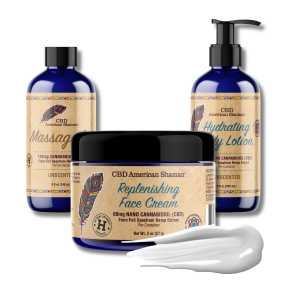
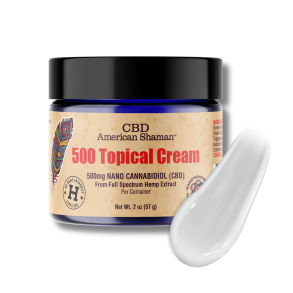
- CBD Topicals: Topical products include Signature Topical Cream, 500mg CBD Topical Cream, and CBD Body Lotion. The creams and lotions contain full-spectrum CBD oil, blended with essential oils, aloe, or menthol for increased skin and muscle support. The CBD topicals are ideal for comforting overworked muscles or soothing skin after activity because they don’t enter the bloodstream.
- CBD Massage Oil: The topical formulation combines full spectrum CBD oil with carrier oils like jojoba or coconut and essential oils for relaxing massage routines. It delivers cannabinoids through the skin and is non-intoxicating, promoting muscle relaxation and skin nourishment. Massage therapy, spa treatments, or personal use of CBD massage oil help promote relaxation and refresh the body during massage.
How do I Choose the Right Full-Spectrum CBD Product?
Choose the right full-spectrum CBD product by following the tips below.
- Product Quality: Product Quality refers to the standard of the full-spectrum CBD oil, determined by hemp sourcing, manufacturing practices, and product consistency. A high-quality product is made from organically grown hemp, contains no synthetic additives, and lists CBD concentration clearly (e.g., 500mg, 1000mg per bottle). It is designed for users seeking whole-plant extracts, and must be produced in GMP-certified facilities to ensure consumer safety and reliability.
- Extraction Method: Extraction Method highlights the importance of how full-spectrum CBD oil is processed, with CO2 extraction recognized as the safest and most effective technique. The method preserves the full cannabinoid and terpene profile while avoiding harmful solvents or residues. Products using CO2 extraction maintain optimal potency and purity, making them ideal for consumers who prioritize clean, chemical-free CBD formulations for wellness-focused use.
- Third-Party Testing: Third-Party Testing ensures that full-spectrum CBD oil has been independently verified for cannabinoid content and screened for contaminants like pesticides, heavy metals, and mold. Reliable brands provide certificates of analysis (COAs) with every batch, offering transparency and consumer confidence. The testing is essential for users who demand safety assurance and accurate labeling in their CBD products.
- Cannabinoid Profile: Cannabinoid Profile describes the composition of active compounds in full-spectrum CBD oil, including CBD, trace THC (≤0.3%), CBG, CBN, and others that contribute to the entourage effect. A balanced profile supports for everyday health, physical comfort, and body balance. The feature is ideal for users looking for a complete whole-plant experience from a naturally synergistic blend of cannabinoids.
- Carrier Oil: Carrier Oil is the base oil used in full-spectrum CBD oil products, such as MCT oil, hemp seed oil, or olive oil, which affects absorption and flavor. MCT oil allows fast bioavailability, hemp seed adds nutritional value, and olive oil offers a milder option. The carrier oil impacts how quickly CBD is absorbed and must be selected based on dietary needs or personal preference for taste and digestion.
- Transparency and Labeling: Transparency and labeling relate to how full-spectrum CBD oil products present ingredient lists, dosage guidelines, and lab test reports. Brands that disclose all relevant information help users track potency and ensure product quality. Transparency builds trust and helps first-time users understand what they consume, while labeling compliance supports safety and legal assurance.
- Customer Reviews: Customer Reviews offer real-world insight into the performance of full-spectrum CBD oil, highlighting relaxation and restful nights. Reviews commonly address flavor, onset of effects, and service quality, providing valuable feedback for prospective buyers. The information helps identify trustworthy products that deliver consistent user satisfaction.
Does full spectrum CBD contain THC?
Yes, full-spectrum CBD contains THC but only in trace amounts (≤0.3%). The small concentration is insufficient to produce psychoactive effects but contributes to the “entourage effect,” where cannabinoids work together to enhance overall bnefits. THC, alongside other cannabinoids like CBD, CBG, and CBN, allows full-spectrum CBD to offer a more complete plant profile than CBD isolate. Products remain federally legal in the United States as long as the THC content does not exceed 0.3%, supporting compliance while maintaining full-spectrum synergy of the cannabis plant’s natural compounds.
What are the full spectrum hemp oil benefits?
The Full-Spectrum Hemp Oil Benefits are listed below.
- Pain Relief: Full-spectrum hemp oil supports physical comfort and everyday recovery. It is popular among users managing daily physical strain.
- Skin Health: The oil contains essential fatty acids and antioxidants that improve skin hydration and appearance.
- Muscle Relaxation: Full-spectrum hemp oil assists post-exercise recovery. Active users and athletes apply it topically or consume it orally.
- Brain Health: Full-spectrum hemp oil contains polyphenols and other neuroprotective compounds that support cognitive function and mental clarity. It is helps support daily focus and mental performance.
- Heart Health: The oil promotes cardiovascular health by supporting healthy blood circulation. Its anti-inflammatory properties contribute to maintaining heart function.
- Digestive Support: Full-spectrum hemp oil’s compounds help support digestive comfort and gut rhythm. It is used by patients experiencing digestive irregularities or discomfort.
- Immune System Boost: Full-spectrum hemp oil contains phytochemicals that interact with immune cells to support immune response. It is commonly used as a daily supplement for preventive health.
Full-spectrum hemp oil benefits users with chronic pain, inflammatory skin conditions, or muscle soreness, along with athletes, older adults, and users seeking natural support for mental clarity and calm. It is helpful for users seeking natural, plant-based health solutions that provide holistic support without psychoactive effects.
How Much THC is in Full-Spectrum CBD?
Full-spectrum CBD contains ≤0.3% THC in trace amounts, which is the maximum legal threshold in the United States and many other countries. The minimal level of THC is not enough to cause intoxication or psychoactive effects, but it plays a role in supporting the entourage effect, where cannabinoids like CBD, THC, CBG, and terpenes work together to enhance wellness potential.
The legal limit of ≤0.3% THC ensures that full-spectrum CBD products remain non-intoxicating while supporting overall health. The amount is carefully regulated to maintain safety, efficacy, and compliance with federal guidelines under laws like the 2018 Farm Bill. The suggested daily dosage of full-spectrum CBD depends on body weight, metabolism, and specific health needs. A beginner dose ranges from 5-10 mg daily, allowing new users to assess their body’s response. A standard wellness dose is 15-25 mg daily for daily support and general balance. Higher doses of 30-50 mg per day are considered used by some for greater daily support.
Specific dosage recommendations apply for conditional dosage. A dose of 15-30 mg taken before a stressful event or bedtime is often used during demanding times. A 25-50 mg daily dose, split between morning and night, provides more consistent relief. A 30-50 mg dose before bed supports calm evenings. The dosing guidelines are general and must be individual needs may vary, especially when used with other routines or supplements or using other medications.
What Compounds are Found in Full-Spectrum CBD?
Full-spectrum hemp extract includes multiple natural compounds from the cannabis plant that work together to enhance wellness potential. The extract contains CBD (cannabidiol), the primary non-psychoactive compound known for supporting physical comfort. The compound includes THC (tetrahydrocannabinol) in trace amounts of ≤0.3%, contributing to the entourage effect without causing intoxication. The plant has CBG (cannabigerol), a precursor to other cannabinoids, supports physical balance. Cannabis contains CBN (cannabinol), which supports natural calm. It includes CBC (cannabichromene), which supports physical ease. It has terpenes, which give the extract its scent and flavor and enhance relaxation. Full-Spectrum CBD contains flavonoids, plant-based antioxidants that contribute to general health.
Full-spectrum hemp extract is formulated using a clean CO2 extraction method, which safely isolates cannabinoids and terpenes while removing unwanted plant matter. The formulation begins with extracting CO2 or ethanol to pull beneficial compounds from hemp. It undergoes purification to remove waxes, fats, and contaminants while preserving the full spectrum. It is blended with carrier oils like MCT, hemp seed, or olive oil to improve absorption and delivery. It is tested through third-party labs to confirm cannabinoid levels, purity, and compliance with legal THC limits.
Hemp extract is manufactured in certified laboratories in countries like the United States, Canada, and Europe, where safety and quality are regulated. It is distributed through global centers that allow fast and compliant shipping to international consumers. Brands provide lab reports with product batches to verify safety and potency for customers.
Is Full-Spectrum CBD Legal?
Yes, full-spectrum CBD is legal, but its legality depends on federal and state regulations. Under the 2018 Farm Bill, hemp-derived CBD products containing ≤0.3% THC are legal at the federal level in the United States. State laws vary widely, requiring an understanding of the legalities of CBD in specific regions. A full-spectrum CBD product with 0.3 percent THC is allowed on the East Coast in New York, although cannabis-derived CBD is illegal under state marijuana laws. Full-spectrum CBD is available for general and regulated use in Florida, but all products must comply with strict testing and labeling requirements.
California permits hemp- and cannabis-derived CBD under state law. Oregon provides full-spectrum CBD with ≤0.3% THC, and cannabis-derived products are legal under the state’s cannabis program. Texas allows hemp-derived CBD as long as THC content stays ≤0.3% in Central and Southern states, with no tolerance for higher THC levels. Colorado offers some of the broadest access, with full legality for medical and recreational CBD, including products with higher THC content under recreational cannabis laws. Understanding the legalities of CBD requires checking federal law and local regulations in each state. States with medical marijuana programs allow higher THC concentrations, while others restrict CBD to hemp-derived sources only.
Is full spectrum CBD for everyday stresses anxiety?
Yes, full-spectrum CBD supports relaxation during daily stress, but its effectiveness varies depending on a person’s biochemistry and sensitivity to cannabinoids. Cannabis interacts with the body’s endocannabinoid system, influencing mood-regulating receptors such as serotonin and California permits both hemp- and cannabis-derived CBD under state law.
The calming properties of full-spectrum CBD are linked to its ability to support balance, which helps regulate the body’s stress response. It supports emotional well-being through the entourage effect, where multiple cannabinoids and terpenes work together to balance emotional responses. It supports sleep and overall relaxation by restoring mental clarity and reducing nighttime restlessness. Full Spectrum CBD helps ease physical tension, including muscle tension, elevated heart rate, and nervous energy.
Cannabis users who are sensitive to THC, even in trace amounts (≤0.3%), experience discomfort or heightened anxiety. Switching from full-spectrum to broad-spectrum CBD, which excludes THC entirely in such cases, is a safer option. The effectiveness of full-spectrum CBD for anxiety depends on dosage, personal tolerance, and the presence of supportive cannabinoids, much like full spectrum CBD for pain.
How does Full-Spectrum CBD Differ from Broad-Spectrum CBD?
Full-spectrum CBD differs from Broad-Spectrum CBD in THC content and cannabinoid composition, each supporting overall health in different ways but suited to different user preferences. Full-spectrum CBD includes many cannabinoids, such as CBD, CBG, CBN, and CBC. It contains trace amounts of THC (≤0.3%), which California permits hemp- and cannabis-derived CBD under state law, where compounds work synergistically. Broad-spectrum CBD retains many of the same cannabinoids but is THC-free or contains undetectable traces, making it ideal for users who want to avoid THC entirely.
Full-spectrum CBD provides the most complete representation of the cannabis plant in terms of cannabinoid profile, while Broad-Spectrum CBD excludes THC during the refining process, offering a middle ground between full-spectrum and CBD isolate. The potential effects of full-spectrum products are more substantial due to the entourage effect contributed by the presence of THC, even in small amounts. Broad-spectrum CBD supports relaxation, daily comfort, and restful nights.
Full-spectrum CBD is better suited for users seeking maximum cannabinoid synergy and who are comfortable with trace THC. Broad-spectrum CBD is suited for users who want similar benefits but are concerned about drug testing, THC sensitivity, or legal restrictions.
What are the full-spectrum CBD effects?
The effects of Full-Spectrum CBD are listed below.
- Pain Relief: Pain Relief is one of the most reported effects, as full-spectrum CBD supports physical comfort.
- Anxiety & Stress Reduction: Anxiety & Stress Reduction is supported by evidence showing that full-spectrum CBD supports relaxation and emotional well-being.
- Improved Sleep Quality: Supports users’ restful sleep and relaxation after using full-spectrum CBD before bedtime.
- Anti-Inflammatory Properties: Anti-Inflammatory Properties are associated with its effects on immune system responses, supporting natural comfort for active lifestyles.
- Neuroprotective Benefits: Neuroprotective Benefits are associated with cognitive balance and mental clarity.
- Digestive Support: Digestive Support occurs due to CBD’s ability to support digestive comfort and regularity.
- Mood Enhancement: It contribute to emotional balance.
Does full spectrum CBD make you high?
No, full-spectrum CBD does not make you high. Full-spectrum CBD contains minimal THC, making it non-intoxicating, although it contains trace amounts of THC (≤0.3%). The low THC content in full-spectrum CBD stays within the legal limit, making it safe for daily use without altering mental clarity. CBD interacts with CB1 receptors in a way that supports emotional well-being, further preventing any feeling of being high. The entourage effect, caused by the combined action of cannabinoids and terpenes, helps support restful sleep and relaxation. CBD supports feelings of well-being, but it provides a non-intoxicating experience, unlike high-THC products.
How does Full-Spectrum CBD Affect Sleep?
Full-spectrum CBD supports relaxation, which is key in regulating mood, stress, and circadian rhythm. Full-spectrum CBD supports a calm and balanced mood, helping support restfulness. Studies suggest that full-spectrum CBD supports consistent rest and general well-being, such as stress, pain, and inflammation. It offers a full-plant experience with cannabinoids and terpenes that boosts its benefits.
CBD American Shaman offers targeted products using full-spectrum cannabinoid blends. CBNight Gummies contain 2 mg of CBN, another cannabinoid that supports an evening routine, and must be taken approximately 30 minutes before bedtime. The gummies are formulated to support calmness without causing next-day grogginess. Another product is the CBNight Water Soluble CBN Oil, which delivers 4 mg of CBN per serving and uses nanotechnology to increase absorption efficiency. Users are advised to add one dropperful to a small amount of water and consume it 30 minutes before bed for best results. Cannabinoids and terpenes combined in these products regulate sleep patterns naturally, making them popular with those looking for a natural routine.
Can Full-Spectrum CBD Be Used for Skin Care?
Yes, full-spectrum CBD supports relaxation due to its rich combination of cannabinoids, terpenes, and flavonoids that supports a calm and balanced mood. Full-spectrum CBD helps support restfulness and relaxation by consistent rest. Full-spectrum CBD helps support natural skin restoration and comfort. Healing supports natural skin restoration and comfort. Antioxidants help protect skin and maintain a youthful look.
How is Full-Spectrum CBD Extracted from Cannabis?
Full-spectrum CBD is extracted using natural methods to preserve cannabinoids and terpenes. The process begins with harvesting and drying the cannabis or hemp plant, followed by grinding it into fine material suitable for extraction. A CO2 extraction method helps preserve cannabinoids and terpenes by pressurizing carbon dioxide into a supercritical state and passing it through the plant. The extracted compounds are refined for use in premium formulations.
Another common method is ethanol extraction, which uses food-grade ethanol to dissolve and extract cannabinoids and terpenes from the plant. The solution is filtered to isolate the full-spectrum CBD extract. The extract is winterized and filtered to eliminate fats, waxes, and chlorophyll. It helps maintain skin health by converting their acidic forms into active compounds like CBD. The extract is blended with carrier oils for improved absorption.
Full-spectrum CBD is made in certified facilities to ensure high quality, where production follows strict quality control and Good Manufacturing Practices (GMP). The facilities ensure consistent quality and safety. The finished products are distributed globally through licensed distribution centers, depending on each brand’s network.
Is Full-Spectrum CBD Safe for Long-Term Use?
Yes, full-spectrum CBD is well-tolerated for most users when taken responsibly when consumed properly and sourced from high-quality products. Full-spectrum CBD is well-tolerated in most users and does not produce psychoactive effects due to minimal THC content. Scientific studies have shown that it may help support relaxation for most healthy adults. Dosage and individual health conditions influence the experience of CBD.
Full-spectrum CBD may offer support when taken in recommended amounts, such as 5-25 mg per day for general health and 25-50 mg per day for pain or anxiety issues. Some users find higher doses help them manage their wellness routine, but users with liver concerns should consult a healthcare provider for proper dosing. Excessive dosing may lead to mild, temporary side effects. Consulting a healthcare provider is recommended for those with liver concerns to the effects of very high doses if they take other liver-metabolized medicines.
Maintaining a proper dosage ensures that users benefit from the properties of full-spectrum CBD without experiencing unnecessary discomfort or complications. Responsible use of high-quality, lab-tested CBD supports effective wellness routines.
What are the Differences Between Full-Spectrum CBD and CBD Isolate?
The differences between Full-Spectrum CBD and CBD Isolate lie in their cannabinoid composition, effects, and ideal uses. Full-spectrum CBD oil comprises many cannabinoids, including CBD, THC (0.03%), CBG, CBN, CBC, terpenes, and flavonoids. CBD Isolate is pure CBD with all other cannabinoids, terpenes, and plant compounds completely removed, resulting in a single-compound extract.
Full-spectrum CBD benefits from the entourage effect, where cannabinoids and terpenes work synergistically to support relaxation and emotional balance. CBD Isolate does not produce the same effect because it contains only one cannabinoid, but it is ideal for users who want a THC-free product. Full-spectrum CBD includes trace amounts of THC (within the legal 0.3% limit), while CBD Isolate contains no THC, making it preferable for people who are THC-sensitive or subject to drug testing.
Full-spectrum CBD helps support overall wellness and relaxation, as its compound diversity offers improved symptom relief. CBD Isolate is preferred by patients who want to control over CBD intake, prefer THC-free formulations, or want to mix CBD into foods, drinks, or skincare without compromising the flavor or formula. Each type serves distinct health needs according to the user’s goals, tolerance, and regulatory factors.