






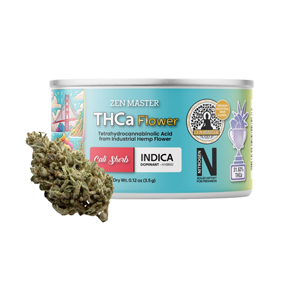
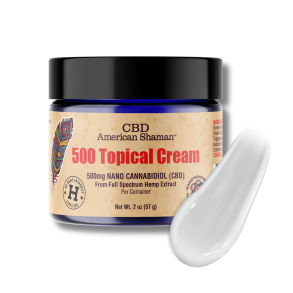
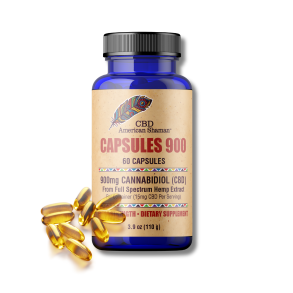

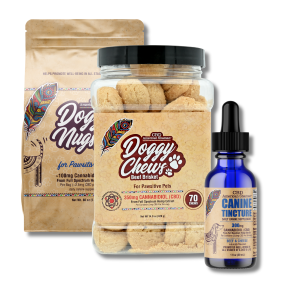
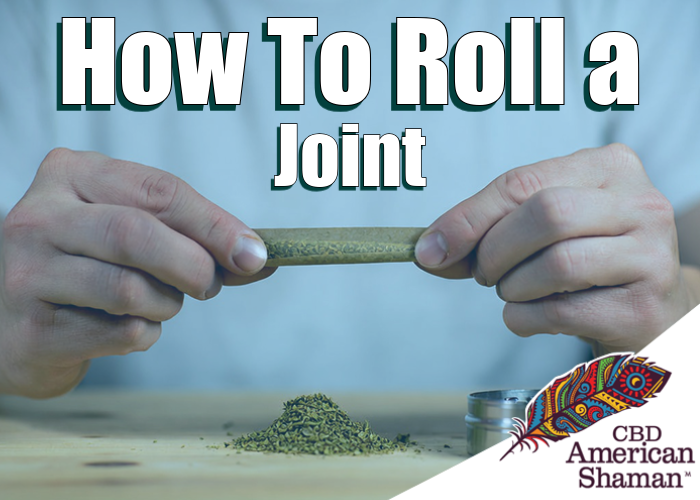
A joint is a hand-rolled tube of ground plant material wrapped in thin rolling paper, shaped to burn evenly from one end. Rolling one requires a filter, a grinder, and steady hands to form an even cylinder. CBD products offer alternatives to a traditional joint. Pre-rolled hemp flower keeps the same ritual without the rolling step. Vape cartridges and disposable pens deliver hemp extract through inhalation alone. Tinctures and capsules offer a measured, smoke-free format, while gummies and other edibles skip inhalation entirely. Beginners improve their rolls by following a few core habits. Grinding the material to a fine, even consistency hinders clumping and uneven burning. Distributing the material evenly along the paper creates a firmer shape. Tucking the paper snugly around the filter reduces air pockets and keeps the roll tight. Practicing with a rolling machine builds muscle memory before attempting a freehand roll.
Step 1: Grind the Cannabis
Grinding the cannabis into a medium-fine consistency creates an even foundation for rolling. A grinder breaks down the material quickly into small, uniform pieces suited for a smooth roll. Fingers accomplish the same task by hand, pulling the material apart without a grinder. Large chunks create pockets within the roll, leading to uneven burning along the joint. Powder-fine cannabis burns too fast and clogs the paper, restricting airflow during use. A medium-fine texture strikes the right balance between structure and burn rate, forming the base for a joint that burns evenly and draws smoothly.Step 2: Make a Filter Tip
Thick paper folded into an accordion base and rolled into a tight cylinder forms a reliable filter tip. Pre-made filters offer a ready alternative, skipping the folding process entirely. A cylinder roughly the width of a pencil suits most rolling papers without overwhelming the joint. Placing the filter at one end of the rolling paper sets the foundation for the entire roll. Airflow improves once the filter sits properly within the rolled paper, and loose material stays contained at the mouth end. A properly placed filter anchors the joint, giving fingers a stable point to roll around.Step 3: Fill the Rolling Paper
The rolling paper sits best with the adhesive strip facing upward and away from the body. Ground cannabis then spreads evenly along the center crease of the paper, since gaps or clumps disrupt the final shape. A cone shape forms when slightly more cannabis sits toward the middle and tapers toward each end, burning slower near the tip and providing a fuller draw near the base. A straight cylinder shape works just as well for a uniform burn throughout, depending entirely on personal preference. Pressing the material gently into place keeps it centered before the rolling motion begins.Step 4: Shape the Joint
Pinching the paper between the fingers begins the shaping process for the joint. A gentle back-and-forth motion compresses the cannabis into a tighter, uniform cylinder without tearing the delicate paper. Even pressure across the length of the joint keeps the shape consistent from end to end. Excessive force at any point tears the paper or pushes material out through the sides. Light, steady pressure achieves a firmer shape while preserving the paper’s structure. Checking the shape periodically catches uneven spots before they set, transforming loosely filled paper into a joint ready for the final roll.Step 5: Roll It Up
Tucking the unglued edge of the paper around the cannabis starts the final rolling motion, forming the first layer of the joint. A tight tuck stops loose gaps from forming inside the roll. Rolling continues upward, wrapping the paper snugly around the cannabis with steady, even motion that avoids crushing the material inside. The adhesive strip remains the only exposed section as the roll nears completion, with every layer beneath wrapped tightly. Patience matters most during rolling, since rushing produces loose or uneven sections. A firm, even roll at this stage sets up the sealing step that follows.Step 6: Seal the Joint
Sealing the joint begins with lightly moistening the adhesive strip along the edge of the paper. A light touch of moisture activates the glue without soaking through the paper, while excess moisture weakens the paper and creates a soggy seam. The tongue works well for a quick, light pass that provides sufficient moisture for a clean seal. Pressing the moistened strip down against the paper completes the sealing motion, and running a finger along the seam smooths out any remaining gaps. Letting the joint sit for a few seconds allows the glue to set fully, locking the roll into its finished form.Step 7: Pack the End
Packing the open end of the joint settles loose cannabis into a firmer, even shape. A pen, packing stick, or similarly shaped tool works well for the final adjustment, gently compacting loose material without crushing it. Rotating the joint while packing keeps pressure distributed evenly around the entire end. Excessive force restricts airflow and makes drawing through the joint difficult, while loose, even packing preserves airflow and holds the material securely. Testing the draw after packing offers a quick check before lighting, confirming a balanced pack that holds shape yet still breathes.Step 8: Twist the Tip
Twisting the open end of the paper closes the joint and locks the cannabis in place. A firm twist between the fingers seals off the tip without tearing the paper, avoiding loose material from spilling out during handling or transport. A tight twist holds up better over time than a loose, quickly unraveling one, and excess paper at the tip twists away cleanly for a neat, pointed finish. Some smokers trim the twisted tip slightly for a cleaner look. A secure twist marks a clear stopping point before lighting, and the joint burns predictably from the sealed end to the tip.What Is a Joint?
A joint is a hand-rolled cannabis cigarette made with rolling paper, formed by wrapping ground cannabis flower into a tight, smokable cylinder. Ground flower fills most joints without added ingredients, keeping the composition simple and consistent from one roll to the next. A filter tip sits at one end, providing structure and improving airflow during use. Rolling paper wraps around the flower and filter, sealed along an adhesive strip to hold the finished shape. Consumption methods within cannabis culture rank joints among the most widely used formats, prized for portability and requiring no additional equipment beyond the rolling materials. Sharing a joint remains a common social ritual among cannabis and hemp consumers alike. Alternatives exist for consumers seeking a different experience (vape cartridges, tinctures, edibles), though joints retain a strong following for their simplicity and direct method of use. A joint’s straightforward construction keeps the format accessible for beginners and experienced consumers alike.What do you Need to Roll a Joint?
The things you need to roll a joint are listed below.- Rolling Papers: Rolling papers hold the ground cannabis in place, forming the outer layer of the joint. Thin and flexible, the paper wraps tightly around the filling and seals along an adhesive strip. Paper thickness varies by brand, affecting burn rate and smoking experience.
- Ground Cannabis: Ground cannabis serves as the main filling inside the joint. A medium-fine consistency allows the material to pack evenly and burn at a steady rate. Uneven grinding leads to pockets within the roll, disrupting the burn along the length of the joint.
- Filter Tip (Crutch): A filter tip improves grip and airflow throughout the joint. Placed at one end, the tip adds structure and keeps loose material from passing through during use. Thick paper or cardstock forms the base material for most homemade filter tips.
- Grinder: A grinder breaks cannabis into an even consistency suited for rolling. Consistent texture keeps clumping and supports a smoother, more even burn. Sharp teeth within the grinder separate the material efficiently without crushing it into powder.
What CBD Products are Alternatives to a Traditional Joint?
CBD product alternatives to traditional joints are listed below.- CBD Pre-Rolls: CBD pre-rolls come ready to smoke, eliminating the rolling process. Ground hemp flower fills each pre-roll, finished with a filter tip for easier handling. Convenience makes pre-rolls a popular pick for consumers seeking a quick, no-prep option.
- CBD Flower: CBD flower offers raw hemp buds suited for rolling into a joint or packing into a pipe. Consumers select CBD flower among various CBD Products for its natural form and traditional smoking experience. Aroma and texture vary by strain, giving consumers a range of options to choose from.
- CBD Vape Products: CBD vape products deliver hemp extract through inhalation using a cartridge or disposable pen. Heating the extract produces vapor instead of smoke, offering a different sensory experience. Portability and discretion make vape products a practical choice for consumers on the go.
- CBD Oil: CBD oil provides a measured, smoke-free format taken directly or added to food and drinks. A dropper allows precise, consistent dosing with each use. Neutral or flavored options give consumers flexibility in how the oil gets incorporated into a routine.
- CBD Edibles: CBD edibles (gummies, chocolates, and various infused snacks) are consumed orally. Digestion delays the onset of effects compared to inhalation methods. A longer-lasting experience appeals to consumers who prefer a slower, sustained format.
1. CBD Pre Rolls
CBD pre-rolls arrive ready to smoke, eliminating the grinding and rolling process. Ground hemp flower fills each pre-roll, finished with a filter tip for structure and airflow. Convenience remains the primary appeal, since pre-rolls require no preparation beyond lighting. Packaging contains multiple pre-rolls, allowing consumers to try various strains without committing to a full flower purchase. Portability and ease of use continue driving demand for pre-rolls among consumers new to smoking hemp. Consumers seeking a different cannabinoid profile within the same familiar format sometimes reach for a Delta 8 Pre Roll.2. CBD Flower
CBD flower consists of raw, dried hemp buds smoked using a pipe or vaporizer. Texture and aroma vary by strain, giving consumers a wide range of sensory experiences to explore. A pipe offers a quick, straightforward method for consuming flower without rolling paper. Vaporizers heat the flower at a controlled temperature, producing vapor instead of smoke for a different experience. Grinding the flower beforehand improves consistency and airflow, whether packed into a pipe or a vaporizer chamber. Flower remains a preferred choice among consumers who value a traditional, hands-on approach to hemp consumption.3. CBD Vape Products
CBD vape products deliver hemp extract through inhalation without combustion, using heat to create vapor instead of smoke. Cartridges attach to a battery, while disposable pens combine both components into a single, ready-to-use device. Heating the extract preserves specific compounds that combustion otherwise breaks down through burning. Flavored and unflavored options give consumers flexibility depending on personal preference. Discretion and portability make vape products practical for use throughout the day. Vapor dissipates quickly, appealing to consumers seeking a lower-odor alternative to smoking flower or pre-rolls.4. CBD Oil
Hemp extract in liquid form is taken under the tongue using a dropper for precise measurement. Holding the oil in place for a short period allows absorption through tissue beneath the tongue. Flavored versions mask the natural taste of hemp extract, while unflavored options suit consumers preferring a neutral profile. Dosing remains consistent from one use to the next, since the dropper measures a set amount each time. Daily routines incorporate the format for its simplicity and ease of use. Consumers avoiding inhalation turn to CBD Oil as a smoke-free alternative.5. CBD Edibles
Gummies, chocolates, and various infused snacks get consumed orally rather than inhaled. Digestion processes the hemp extract gradually, delaying onset compared to smoking or vaping methods. Effects tend to last longer once they begin, since digestion releases the extract over an extended period. Portion control comes built into most edibles, since each piece contains a standard, pre-measured amount. Consumers new to hemp products start with the food-based format for its familiarity. Consumers seeking a discreet, smoke-free option that fits easily into a daily routine turn to CBD Edibles.How Should you Prepare Cannabis Before Rolling?
To prepare Cannabis before rolling, you should follow the six steps. First, breaking the cannabis apart into a medium-fine consistency creates an even base suited for a smooth roll. Second, removing stems and seeds keeps the material free of hard pieces that disrupt an even burn. Third, checking for moisture level matters, since cannabis that feels too dry crumbles excessively during handling. Fourth, spreading the ground material across a flat surface allows a clear view of texture and consistency before filling the paper. Fifth, setting aside a filter tip or crutch ahead of time keeps the rolling process moving without interruption. Lastly, gathering rolling papers and a flat workspace completes the preparation stage, leaving every material within reach before rolling starts. A properly prepared batch of cannabis lays the foundation for a joint that burns evenly and holds its shape throughout use.Why does Grind Size Matter?
Grind size matters because it affects airflow, density, and burn rate throughout the joint. A medium grind promotes even burning, allowing the cannabis to pack consistently without leaving gaps or excess pressure points along the roll. Cannabis ground too fine tends to compact tightly, restricting airflow and making the joint difficult to draw through. A tight, dense pack of fine material also burns faster, leading to an uneven, harsh smoking experience. Cannabis ground too coarse creates the opposite problem, leaving gaps within the roll that cause canoeing, where one side burns faster than the other. Large chunks also struggle to hold a tight cylindrical shape, resulting in a loose, poorly structured joint. A medium-fine consistency strikes the right balance between structure and airflow, supporting a steady burn from the first draw to the last. Careful attention to grind size ultimately determines the smoking experience, since texture affects every stage of the rolling and burning process.Should Cannabis be Ground Before Rolling?
Yes, cannabis should be ground before rolling. Evenly ground flower packs more consistently within the rolling paper, filling gaps that whole or torn buds otherwise leave behind. A consistent texture allows the material to distribute evenly along the length of the joint, supporting a uniform shape from end to end. Improved airflow follows directly from an even grind, since consistent particle size blocks the tight clumps that restrict draw. Combustion also improves with ground cannabis, as smaller, uniform pieces catch and sustain a flame more effectively than whole buds. Unground flower burns unevenly and struggles to stay lit, leading to a frustrating smoking experience. Grinding beforehand remains a simple step that noticeably improves the outcome of the finished joint.Can You Roll a Joint With CBG Flower?
Yes, you can roll a joint with CBG flower. Preparation follows the same process used for CBD or cannabis flower, requiring grinding, filling, and rolling with standard rolling paper. A filter tip adds structure to a CBG joint just as it does with any other type of flower. Effects depend entirely on the product’s cannabinoid profile, varying based on the specific compounds present within a given batch of flower. Lab testing confirms the exact composition of a CBG product before purchase, helping consumers understand what a specific batch contains.How can you Roll a Joint More Evenly?
You can roll a joint more evenly by following the six steps. First, grinding the cannabis into a medium-fine consistency creates an even base suited for a smooth roll. Second, filling the rolling paper with a consistent, even layer hinders gaps or clumps along the length of the joint. Third, distributing slightly more cannabis toward the center helps maintain a balanced shape whether rolling a cylinder or a cone. Fourth, applying steady, even pressure while shaping the joint compresses the material without tearing the paper. Fifth, rolling slowly and checking the shape periodically catches uneven spots before they set into the final form. Lastly, sealing the joint with a firm, even press along the adhesive strip locks the shape into place. A steady, methodical approach at every stage produces a joint that burns evenly from one end to the other.How can you Keep a Joint Tight Without Overpacking?
You can keep a joint tight without overpacking by following the five steps. First, grinding the cannabis to a medium-fine consistency hinders the dense clumping that leads to overpacking. Second, filling the paper with a moderate, even amount of material avoids the pressure that comes from cramming in too much cannabis. Third, applying light, even pressure while shaping the joint compresses the material just enough to hold its form. Fourth, packing the open end gently with a pen or packing stick settles loose material without forcing it down too tightly. Lastly, testing the draw before lighting confirms the joint holds its shape while still allowing air to pass through freely. A light, balanced touch throughout the process keeps the joint firm without restricting airflow.Should a Joint Feel Firm After Rolling?
Yes, a joint should feel firm after rolling. Moderate firmness supports even airflow throughout the joint, allowing smoke to pass through consistently from one end to the other. A joint that feels too soft or loose burns unevenly, since gaps within the roll disrupt the path of the burn. Overpacking creates the opposite problem, compressing the material so tightly that drawing through the joint becomes difficult. A properly packed joint holds its shape without collapsing, yet still allows air to move freely through the material. Gently pressing along the length of the joint offers a quick way to check for the right balance of firmness. A joint with moderate, even firmness delivers a smoother, more consistent smoking experience from start to finish.What Mistakes Should You Avoid When Rolling a Joint?
The mistakes you should avoid when rolling a joint are listed below.- Overpacking: Overpacking restricts airflow, making the joint difficult to draw and forcing extra effort with every inhale. Excessive cannabis packed into the roll compresses the material too tightly, hindering air from moving freely through the joint.
- Underpacking: Underpacking causes loose, uneven burns, since gaps within the roll allow the flame to spread unpredictably. A joint packed too loosely also loses its shape quickly, collapsing or bending during use.
- Uneven Grind: An uneven grind leads to inconsistent burning, since larger pieces burn slower than finer material within the same joint. Mixed particle sizes create pockets of uneven density, disrupting the steady burn expected from a well-rolled joint.
- Poor Sealing: Poor sealing may cause the joint to unravel, loosening the paper during handling or use. Insufficient moisture along the adhesive strip weakens the bond, leaving the seam vulnerable to separation over time.
- Uneven Filling: Uneven filling creates air pockets, disrupting the density and structure of the finished joint. Gaps within the roll cause the joint to burn faster in certain sections, leading to an inconsistent smoking experience.
Why do Some Joints Burn Unevenly?
Some joints burn unevenly because of inconsistent packing or uneven grinding within the rolled material. Cannabis packed too loosely in certain sections leaves gaps that allow the flame to spread faster through the areas. Cannabis packed too tightly in other sections restricts airflow, slowing the burn rate within that portion of the joint. Uneven grinding compounds the problem further, since larger pieces burn slower than finer material positioned nearby. Air pockets within the roll create an additional source of unevenness, causing one side of the joint to burn noticeably faster than the other. A joint affected by canoeing burns unevenly along one edge, requiring frequent adjustment to keep the burn centered. Proper rolling technique reduces the problem, since consistent grinding and even packing address the root causes of an uneven burn. Careful attention to filling, packing, and shaping throughout the rolling process produces a joint that burns steadily from start to finish.Can You Fix a Canoeing Joint?
Yes, you can fix a canoeing joint. Slowing the burn on the faster-burning side helps correct the imbalance before the problem worsens further. Wetting a finger and lightly dampening the faster side reduces the burn rate, allowing the slower side to catch up. Rotating the joint slightly while smoking also helps redistribute heat more evenly across the surface. Careful rolling and even packing remain the most effective ways to stop canoeing from occurring in the first place. Consistent grinding paired with an even fill reduces the density variations responsible for uneven burning. A properly packed joint burns steadily along its full length, minimizing the need for corrections once lit.How does Rolling a Joint Compare With Other Methods?
Rolling a joint differs from other rolling methods through the material packed inside the paper. A joint contains only cannabis, keeping the composition limited to ground flower and, in some cases, a filter tip for structure. A spliff, by comparison, contains cannabis mixed with tobacco, blending two distinct plant materials within the same roll. Tobacco content within a spliff exposes consumers to nicotine, introducing a compound absent from a standard joint. Smoke composition also differs between the two, since burning tobacco alongside cannabis changes the intensity of the smoking experience. Regional practices influence which method consumers choose, since spliffs remain more common in certain parts of the world than others. Rolling technique stays largely similar between a joint and a spliff, though blending ratios require attention once tobacco enters the mix. Personal preference guides the final decision, since some consumers favor the pure flavor and effect of a joint over a tobacco blend. Local practices and cultural norms further shape which rolling method becomes the standard choice within a given region.How does a Joint Compare With a Spliff?
A joint contains only cannabis, while a spliff contains cannabis mixed with tobacco within the same rolled paper. Composition marks the primary difference between the two, since a joint keeps the filling limited to ground flower alone. Tobacco blended into a spliff introduces nicotine, exposing consumers to a compound absent from a standard joint. Smoke from a spliff also carries additional byproducts associated with burning tobacco, changing the intensity of the experience. Rolling technique remains largely similar between the two, though a spliff requires careful attention to the ratio of cannabis to tobacco. Regional practices shape which format consumers reach for, since spliffs remain far more common in certain parts of the world than others. Personal preference plays a central role in the decision, since some consumers avoid tobacco entirely in favor of a pure cannabis experience.How does the Endocannabinoid System Respond to a Joint?
The endocannabinoid system responds to a joint through direct interaction between inhaled cannabinoids and receptors distributed throughout the body. Cannabinoids absorbed during inhalation bind to receptors, triggering signals that influence multiple bodily processes. The receptors help regulate functions including mood, appetite, and the perception of physical sensations. Two primary receptor types exist within the body, each responding differently depending on the specific cannabinoid present. THC binds directly to certain receptors, producing the cognitive effects associated with traditional cannabis consumption. CBD interacts with receptors in a different manner, working indirectly rather than binding tightly to the same sites as THC. Specific effects depend entirely on the cannabinoids consumed, since each compound produces a distinct interaction within the Endocannabinoid System.Is a Joint Stronger Than a Spliff?
No, a joint is not stronger than a spliff. Strength depends on cannabis potency and blending ratio rather than format alone. A joint contains only cannabis, delivering the full effect of the flower without dilution. A spliff contains cannabis mixed with tobacco, reducing the proportion of cannabis within the same amount of material. Diluting the cannabis content produces a milder cannabinoid effect compared to a joint of similar size. Tobacco within a spliff introduces nicotine, adding a separate physical effect unrelated to cannabinoid potency. Strain potency and grind quality influence strength regardless of format. Comparing the two requires accounting for cannabis quantity and blending ratio rather than the roll itself.How Can You Improve Your Joint Rolling Skills?
You can improve your joint rolling skills by following the six steps. First, practicing with inexpensive rolling papers builds confidence before moving on to specialty or flavored papers. Second, using a rolling machine helps beginners understand proper shape and tightness before attempting a freehand roll. Third, grinding cannabis to a consistent, medium-fine texture every time builds a reliable habit that improves results. Fourth, watching tutorials or guides demonstrates hand positioning and technique that written instructions alone may not fully convey. Fifth, rolling slowly during early attempts allows better control over shape, avoiding the rushed mistakes that lead to tears or uneven packing. Lastly, reviewing each finished joint for firmness, shape, and evenness helps identify specific areas that need improvement over time. Consistent practice across each step slowly builds the muscle memory needed for a smooth, even roll.What Tips Help Beginners Roll Better Joints?
Tips to help beginners roll better joints are listed below.- Use a Grinder: A grinder creates an even consistency, breaking cannabis into uniform pieces suited for a smooth roll. Consistent texture reduces clumping and supports a steady burn once the joint gets lit.
- Don’t Overfill: Avoiding overfilling makes rolling easier, since a moderate amount of cannabis allows the paper to wrap smoothly around the material. Excess cannabis packed into the paper leads to tearing or an uneven, bulky shape.
- Use a Filter Tip: A filter tip improves stability, giving the joint a firm structure at one end to hold during rolling and smoking. The tip also improves airflow, keeping loose material from passing through the mouth end.
- Roll Slowly: Rolling slowly maintains an even shape, allowing careful adjustments before the paper seals into its final form. Rushing the process results in a lopsided or loosely packed joint.
- Practice Regularly: Practicing regularly builds confidence and skill, refining hand positioning and pressure control with each attempt. Repetition over time develops the muscle memory needed for a consistent, even roll.