








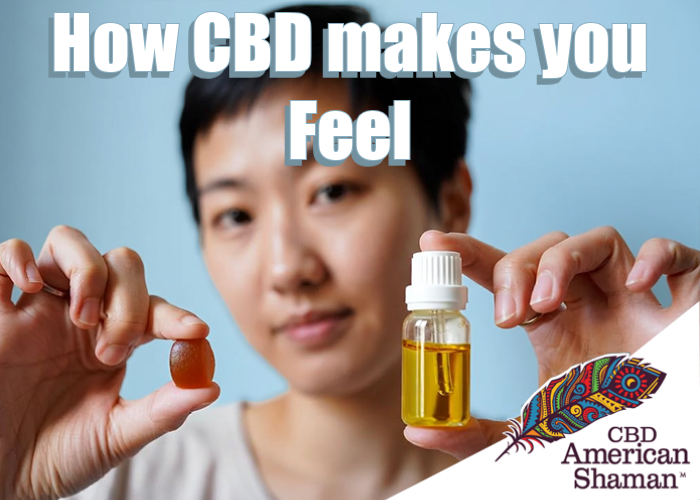
CBD makes you feel a mild sense of calm and relaxation without producing a psychoactive effect on the mind. Consumers describe the sensation as subtle, settling in gradually rather than shifting perception in any noticeable way. Onset time varies depending on the consumption method, with inhaled products acting within minutes and ingested products taking longer to produce noticeable effects. Sublingual oils and tinctures fall somewhere in between, absorbing through tissue beneath the tongue for a moderate onset window. CBD differs from THC through the absence of a psychoactive effect, since CBD does not bind to receptors in the same manner that produces altered perception. Consumers switching from THC often notice the absence of mental fog or altered thought patterns commonly associated with traditional cannabis use. Understanding onset time and the distinction between CBD and THC helps set realistic expectations before trying a hemp-derived product for the first time.
How does CBD Work in the Body?
CBD works in the body by interacting indirectly with the endocannabinoid system, a network that helps regulate mood, sleep, pain perception, and immune response. CBD influences the system through a more indirect pathway, engaging natural processes without binding tightly to cannabinoid receptors. THC binds strongly to specific receptors, producing the mind-altering effects commonly associated with traditional cannabis. A weaker receptor connection explains why CBD produces a milder, more subtle experience compared to THC. The distinction contributes to CBD’s non-psychoactive effects, allowing consumers to use the compound without the disorientation linked to THC consumption. Enzymes and receptors throughout the body continue processing CBD gradually, extending the duration of its effects over time. Understanding the indirect interaction helps explain why CBD produces a calming sensation without altering perception or cognitive function.How does CBD Affect Your Body and Mind?
CBD affects the body and mind by interacting indirectly with receptors throughout the endocannabinoid system, influencing mood, pain perception, sleep, and stress responses without producing intoxication. Mood often shifts subtly toward a calmer state, though the change rarely feels dramatic or immediately noticeable. Pain perception may soften slightly for some consumers, though the degree of change depends heavily on dose and the consumer’s body chemistry. Sleep patterns sometimes improve with consistent use, since a calmer mental state often supports easier rest. Stress responses may ease gradually, allowing a more balanced reaction to everyday pressures. Effects vary considerably from person to person, since factors including body weight, metabolism, and tolerance all influence the overall experience. Many people describe the sensation as subtle rather than dramatic, distinguishing CBD clearly from the more pronounced effects associated with THC.Does CBD Give you Energy?
No, CBD does not give you energy in the way caffeine or stimulants do. Some consumers report feeling more alert after use, though the sensation likely stems from reduced stress or improved sleep quality. A calmer mental state sometimes creates the impression of sharper focus. Dosage and a consumer’s body chemistry influence how CBD affects energy levels from one person to the next, a question explored further in “Does CBD Oil Give You Energy?” Can CBD Make You Feel Different in Unexpected Ways? CBD may produce effects that differ from what a consumer initially expects, since the compound interacts with the body in subtle, individualized ways. Some people notice increased relaxation, while others report heightened focus or a mild shift in mood. Factors (metabolism, tolerance, and consistency of use) shape how CBD ultimately feels for a given consumer.What does CBD Feel Like Compared to THC?
CBD produces a subtle, calming sensation without altering perception, mental clarity, or physical coordination in the way THC does. Consumers using CBD often describe the effect as grounding, offering a sense of ease without any noticeable change in thought patterns. Cannabis compounds bind to receptors within the endocannabinoid system differently, producing a far more pronounced shift in perception and mood for one compound compared to the other. Sensory experiences often intensify under one of the two compounds, along with changes in time perception, focus, and emotional state. CBD does not usually compromise thinking or coordination, allowing consumers to remain clear-headed throughout daily activities. A much higher likelihood of altering mood and perception comes from Tetrahydrocannabinol (THC), sometimes unpredictably depending on dose and the consumer’s tolerance. The distinction between the two compounds comes down to receptor interaction, with CBD working indirectly and the other binding strongly enough to produce a noticeably different mental state.What Causes CBD and THC to Produce Different Effects?
Receptor interaction causes CBD and THC to produce different effects, since each compound distinctly engages the endocannabinoid system. THC strongly activates CB1 receptors, binding tightly enough to trigger the pronounced shift in perception associated with traditional cannabis use. CBD interacts more indirectly, influencing the system without binding strongly to the same receptor sites. A weaker, indirect connection results in a milder, more subtle experience compared to the intensity produced by THC. The difference in receptor binding explains why CBD does not produce psychoactive effects, since the compound lacks the strong connection required for such a shift. Enzymes and other receptor types throughout the body also play a role, further shaping how each compound ultimately affects mood and perception. Understanding receptor activity clarifies why two compounds from the same plant produce such different experiences once consumed.Does CBD Produce Different Effects Than THC?
Yes, CBD produces different effects than THC. CBD is generally non-psychoactive, producing a subtle, calming sensation without altering perception or mental clarity. THC is psychoactive, binding strongly to receptors within the endocannabinoid system to produce a noticeable shift in mood and thought. The two cannabinoids affect the body and brain in distinct ways, since receptor binding strength determines the intensity of each compound’s effect. Consumers seeking a clear-headed experience gravitate toward CBD, while those seeking a more pronounced mental shift often turn to THC. Dosage and personal tolerance further shape how each compound feels, regardless of which cannabinoid a consumer chooses.What Positive Effects Can CBD Produce?
The positive effects that CBD can produce are listed below.- Relaxation: CBD may promote a sense of calm throughout the body, settling mental and physical tension gradually. Consumers often describe the sensation as grounding rather than intense or immediate. A calmer state develops over the course of use rather than appearing instantly.
- Stress Relief: CBD may help ease feelings of tension that build up during a demanding day. A calmer mental state often develops gradually with consistent use. Everyday pressures may feel more manageable once a steady routine takes hold.
- Improved Sleep: CBD may support better rest in some people, particularly when racing thoughts interfere with falling asleep. A calmer mind before bedtime often contributes to a smoother transition into sleep. Consistency in timing and dosage plays a role in how noticeable the effect becomes over time.
- Pain Relief: CBD may ease certain types of physical discomfort experienced throughout the day. Consumers’ response varies considerably, depending on the source and severity of the discomfort. Some consumers combine CBD with other daily habits to support overall comfort.
- Reduced Inflammation: CBD may support the body’s natural response to everyday physical strain. Consistent use over time appears to influence response more than a single dose alone. Diet, activity level, and overall lifestyle also factor into how the body manages that strain.
What are the Main Benefits of CBD?
The main benefits of CBD are listed below.- Supports Relaxation: CBD may promote calmness throughout the body, easing tension that builds up during the day. A grounded feeling often develops gradually rather than appearing right away.
- Helps Manage Stress: CBD may reduce stress levels, offering a calmer response to everyday pressures. Consistent use over time often produces a more noticeable effect than a single dose alone.
- Supports Sleep: CBD may improve sleep quality, particularly for those whose racing thoughts interfere with falling asleep. A calmer state before bedtime often supports a smoother transition into rest.
- Relieves Pain: CBD may ease certain types of pain experienced throughout the day. Personal response varies, depending on the source and severity of the discomfort.
- May Reduce Inflammation: CBD may support the body’s inflammatory responses tied to everyday physical strain. Diet, activity level, and overall lifestyle also influence how the body manages that strain, all forming part of the broader benefits of CBD many consumers explore.
Can CBD Help You Feel More Relaxed?
Yes, CBD can help some people feel more relaxed. Responses vary considerably between consumers, since factors (body chemistry, dosage, and consistency of use) all shape the overall experience. Relaxation does not necessarily mean drowsiness, since many consumers report a calm, clear-headed state rather than sedation. A subtle easing of tension often develops gradually rather than producing an immediate or dramatic shift. Method of consumption also plays a role, since inhaled products tend to act faster than oils or edibles taken by mouth. Consumers seeking relaxation without drowsiness often find CBD suitable for daytime use, given its mild effect on alertness. Starting with a lower dose allows a consumer to gauge personal response before adjusting the amount used going forward.Does CBD Help Everyone Feel Calm?
No, CBD does not help everyone feel calm. A consumer’s response depends on factors (body chemistry, dosage, tolerance, and consistency of use), producing a wide range of outcomes across different consumers. Some people notice a subtle shift in mood, while others report little to no noticeable change. Product quality and formulation also influence the outcome, since inconsistent manufacturing standards affect the actual cannabinoid content within a given product. Consumers exploring CBD for calming effects must approach the experience with realistic expectations, since results differ from person to person.What are the Most Common CBD Side Effects?
The most common CBD side effects are listed below.- Drowsiness: Some consumers report feeling sleepy after using CBD, particularly at higher doses. A calming effect on the body sometimes extends into a noticeable sense of fatigue. Adjusting the timing of use to evening hours often reduces daytime interference.
- Dry Mouth: CBD may reduce saliva production, leaving the mouth feeling parched after use. Staying hydrated throughout the day often helps ease the sensation. Chewing sugar-free gum offers another simple way to stimulate saliva flow.
- Diarrhea: Digestive upset occasionally occurs after CBD use, particularly with higher doses or sensitive digestive systems. Adjusting the amount used sometimes helps reduce the response. Taking CBD alongside food may also ease digestive discomfort for some consumers.
- Dizziness: A feeling of lightheadedness sometimes accompanies CBD use, especially when standing up quickly after a dose. The sensation passes within a short period without further issue. Rising slowly from a seated position helps minimize the effect for sensitive consumers.
- Changes in Appetite: CBD may increase or decrease appetite depending on the consumer and dosage used. Tracking personal response over time helps clarify how a specific product affects hunger. Keeping a simple log of dosage and appetite changes helps identify patterns, one of several CBD Side Effects worth monitoring with any new routine.
Why can CBD Make Some People Feel Unwell?
CBD can make some people feel unwell due to side effects or interactions with certain medications already present in the body. Digestive upset, dizziness, or drowsiness occasionally accompany CBD use, particularly when a consumer takes more than the body can comfortably process. High doses increase the likelihood of unwanted effects, since a larger amount places greater demand on the body’s processing systems. Certain medications interact with CBD in ways that alter how the body metabolizes either substance, sometimes intensifying side effects from one or both. Consumers’ sensitivity also plays a crucial role, since body chemistry, weight, and tolerance all shape how a person responds to a given dose. Consumers new to CBD often benefit from starting with a smaller amount, allowing the body to adjust gradually before increasing intake. Consulting a healthcare provider before combining CBD with existing medications remains an important step for anyone managing a regular prescription routine.Can CBD Make You Feel Weird?
Yes, CBD can make you feel weird. Drowsiness, dizziness, or digestive discomfort are possible, particularly at higher doses or with a sensitive digestive system. The effects are usually mild and temporary, easing on their own within a short period after use. Personal response varies considerably, since body chemistry, dosage, and consistency of use all shape the overall experience. Starting with a lower dose allows a consumer to gauge personal tolerance before adjusting the amount used going forward. Consulting a healthcare provider offers useful guidance for anyone concerned about an unusual reaction after using CBD.How Long does It Take to Feel the Effects of CBD?
CBD effects can begin within minutes to about two hours, depending on the specific method of consumption used. Inhaled CBD, delivered through vaping or smoking hemp flower, works faster than oral products, since the compound enters the bloodstream directly through the lungs. Oral products (capsules, edibles, drinks) require digestion first, delaying onset considerably compared to inhaled methods. Sublingual oils and tinctures fall somewhere in between, absorbing through tissue beneath the tongue for a moderate onset window. Onset varies by product and consumers, since factors (metabolism, body weight, and consistency of use) all influence how quickly effects become noticeable. Consumers seeking faster results often gravitate toward inhaled or sublingual methods over oral products. Understanding onset time helps set realistic expectations, particularly for consumers trying a new product or method for the first time.What Factors Affect How Quickly CBD Works?
Factors that affect how quickly CBD works are listed below.- Method of Use: Inhaled products act faster than oral products, since inhaled compounds enter the bloodstream directly through the lungs. Oral products require digestion first, delaying onset by comparison.
- Dose: Larger doses may produce stronger effects, since a higher amount reaches receptors throughout the body more quickly. Smaller doses tend to produce a milder, more gradual response.
- Body Weight: Body weight can influence absorption, since a larger body mass often requires a higher dose to achieve a noticeable effect. Smaller body weight may lead to a faster or more pronounced response at the same dose.
- Metabolism: A faster metabolism may affect onset, processing CBD more quickly through the body’s systems. A slower metabolism often extends onset time and overall duration of effects.
- Food Intake: Eating before use may change absorption, since fat content within a meal can improve how the body absorbs CBD. Taking CBD on an empty stomach often produces a faster but shorter-lived effect.