






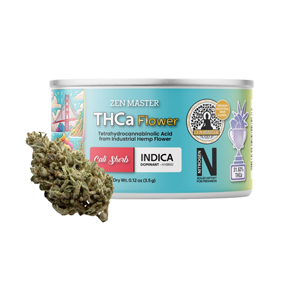
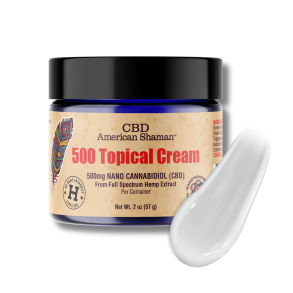
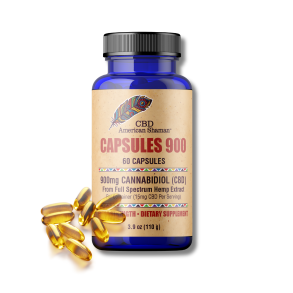

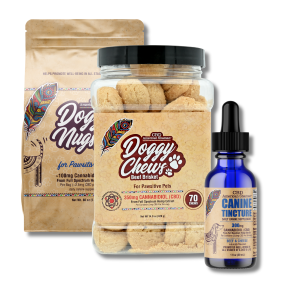
No, CBD does not give you energy in the direct, stimulating way caffeine does. CBD affects mood by promoting a subtle sense of calm, easing tension rather than producing an energizing lift. A calmer mental state sometimes creates the impression of sharper focus, though the sensation stems from reduced stress rather than genuine stimulation. Caffeine works by blocking adenosine receptors, directly triggering alertness and a noticeable increase in energy shortly after consumption. CBD works through a different pathway entirely, interacting indirectly with the endocannabinoid system rather than producing a stimulant effect. The best way to use CBD for energy involves pairing it with healthy daily habits, since consistent sleep and reduced stress often support more natural, sustained energy throughout the day. Lower doses taken earlier in the day tend to avoid the mild drowsiness sometimes associated with higher amounts.
How does CBD Affect Energy Levels?
CBD affects energy levels in an inconsistent way, as the compound does not reliably produce a stimulating effect for all consumers. Effects vary considerably between people, influenced by factors including body chemistry, tolerance, and overall lifestyle habits. Some people may feel relaxed or sleepy after taking CBD, particularly at higher doses, which tend to produce a more calming sensation. Others report a subtle sense of clarity, though the feeling likely stems from reduced stress rather than a genuine energy boost. Dose plays a significant role in the overall outcome, since smaller amounts tend to produce a milder effect compared to larger servings. Individual response also shapes the experience considerably, given that body weight, metabolism, and consistency of use all factor into the final result. Product type further influences how CBD feels, since full-spectrum, broad-spectrum, and isolate formulations each distinctly interact with the body.
What does Research Say About CBD?
Research on CBD remains an evolving area of study, with scientists continuing to explore its interaction with the endocannabinoid system. Current findings suggest CBD may influence mood, sleep, and stress response, though results vary across different studies and populations. Sample sizes within existing studies often remain small, limiting how broadly researchers can apply specific findings to the general population. Regulatory bodies continue reviewing available data, since consistent, large-scale studies remain limited compared to more established compounds. Ongoing CBD Research aims to clarify dosing standards, long-term safety, and the full scope of potential effects across different consumer groups. Consumers should approach existing findings with reasonable expectations, since the scientific understanding of CBD continues to develop over time.
Can CBD Increase Energy?
No, CBD is not proven to increase energy levels. Some users may feel more alert if CBD reduces stress or discomfort, since a calmer mental state sometimes creates the impression of sharper focus. Reduced tension throughout the body may also contribute to a subtle sense of increased alertness for certain consumers. The effects do not mean CBD acts as a stimulant, since the compound works through an entirely different pathway than caffeine or other energizing substances. CBD influences the endocannabinoid system indirectly, producing a calming sensation rather than triggering the direct alertness associated with true stimulants. Consumers seeking a genuine energy boost should look toward other supplements, since CBD primarily supports relaxation rather than stimulation.
Does CBD Affect Alertness?
Yes, CBD affects alertness, but the effect varies considerably by person and dose. Higher amounts may cause drowsiness in some people, particularly when consumed in larger servings or combined with other calming habits. Lower doses tend to produce a milder effect, sometimes leaving alertness largely unaffected throughout the day. Body chemistry and tolerance also shape the outcome, since factors including weight and metabolism influence how quickly and strongly CBD takes effect. Avoiding driving or operating machinery remains important if CBD makes a person sleepy, since reduced alertness can affect reaction time and coordination. Testing personal response with a smaller dose first offers a safer way to understand how CBD affects alertness before engaging in activities requiring full attention.
Can CBD Help With Fatigue?
No, CBD cannot help with fatigue in a reliable, proven way. CBD has not been shown to consistently address fatigue, since existing research on the topic remains limited and inconclusive. Fatigue can stem from many underlying causes, including sleep quality, nutrition, stress, and various health conditions that CBD may not address. A calming effect on the body sometimes gets mistaken for improved energy, though the sensation stems from reduced tension rather than genuine relief from fatigue. Persistent fatigue should be evaluated by a healthcare professional, since ongoing tiredness may signal an underlying issue requiring proper diagnosis. Consumers experiencing regular fatigue should prioritize a medical evaluation over relying on CBD as a primary solution.
Does CBD Make You Tired or Sleepy?
Yes, CBD makes you feel tired or sleepy, particularly at higher doses. Drowsiness may become more noticeable with higher doses or certain products, since some formulations lean toward a more calming, sedative-like effect. Full-spectrum products in particular sometimes produce a stronger sense of relaxation compared to isolate formulations. Combining CBD with other substances that cause sedation may increase the effect, since layering multiple calming compounds compounds the overall sensation. Consumers taking medications with a sedative effect should exercise caution, since the combined impact could feel stronger than expected. Testing personal response with a smaller dose first offers a safer way to gauge how CBD affects alertness before adjusting the amount used.
Can CBD Reduce Feelings of Fatigue?
No, CBD cannot reduce feelings of fatigue. Existing research on CBD’s connection to fatigue remains limited, offering no consistent evidence that the compound directly addresses tiredness. Fatigue can stem from many underlying causes, including poor sleep, nutrition, stress, and various health conditions unrelated to the endocannabinoid system. A calming effect on the body sometimes gets mistaken for reduced fatigue, though the sensation stems from eased tension rather than genuine relief from tiredness. Consumers experiencing persistent fatigue should consult a healthcare professional, since ongoing tiredness may signal an underlying issue requiring proper diagnosis. Relying on CBD as a primary solution for fatigue remains unsupported by current evidence.
Does CBD Improve Alertness?
No, CBD does not improve alertness. Existing research offers no consistent evidence that CBD directly enhances focus or wakefulness in the way stimulants do. Some studies suggest lower doses may produce a mild sense of alertness, while higher doses tend to lean toward a calming, sedative-like effect instead. Some consumers report feeling more clear-headed after use, though the sensation likely stems from reduced stress rather than genuine stimulation. Body chemistry and dosage both influence the outcome considerably, since factors including tolerance and consistency of use shape how CBD ultimately feels. Consumers seeking a genuine boost in alertness should look toward other options, since CBD primarily supports relaxation rather than stimulation.
Can CBD Help you Feel More Focused?
No, CBD cannot help you feel more focused. CBD may help some people feel less distracted by stress, but it is not a proven focus enhancer. CBD does not work like conventional stimulants, since the compound lacks the direct receptor activation responsible for triggering alertness and concentration. Some consumers report a subtle sense of clarity after use, though the sensation likely stems from reduced stress rather than genuine cognitive enhancement. Effects depend heavily on the person, dose, and reason for use, since factors including tolerance and body chemistry shape the overall outcome. Lower doses sometimes produce a mild sense of alertness, while higher doses tend to lean toward a calming, sedative-like effect instead. Consumers seeking a genuine boost in focus should look toward other options, since CBD primarily supports relaxation rather than stimulation.
Does CBD Improve Mental Alertness?
No, CBD does not improve mental alertness. Existing research offers no consistent evidence that CBD directly enhances mental sharpness or concentration in the way stimulants do. Some consumers report feeling more clear-headed after use, though the sensation likely stems from reduced stress rather than genuine cognitive enhancement. Lower doses sometimes produce a mild sense of alertness, while higher doses tend to lean toward a calming, sedative-like effect instead. Body chemistry and dosage both influence the outcome considerably, since factors including tolerance and consistency of use shape how CBD ultimately feels. Consumers seeking a genuine boost in mental alertness should look toward other options, since CBD primarily supports relaxation rather than stimulation.
How does CBD Affect Your Mood?
CBD affects your mood mainly through its influence on stress and other body processes rather than a direct emotional effect. Interaction with the endocannabinoid system may ease physical tension, which sometimes translates into a calmer, more settled emotional state. Some people report feeling calmer after using CBD, describing the sensation as subtle rather than a dramatic shift in outlook. Stress response appears to play a central role in this effect, since reduced physical tension often supports a steadier overall mood. Individual response varies considerably, since factors including dose, body chemistry, and consistency of use all shape the outcome. CBD is not a proven solution for mood disorders, since existing research remains limited and inconclusive regarding long-term emotional impact. Consumers managing a diagnosed mood condition should consult a healthcare professional rather than relying on CBD as a primary approach.
Can CBD Support a Better Mood?
Yes, CBD can support a better mood in some consumers, primarily through its influence on stress. Reduced physical tension throughout the body sometimes translates into a calmer, more settled emotional state. Some consumers report feeling more at ease after use, describing the effect as subtle rather than a dramatic shift in outlook. Individual response varies considerably, since factors including dose, body chemistry, and consistency of use all shape the overall outcome. CBD is not a proven solution for diagnosed mood disorders, since existing research remains limited regarding long-term emotional impact. Consumers seeking mood support alongside an existing condition should consult a healthcare professional before relying on CBD as a primary approach.
Does CBD Help With Stress and Energy?
Yes, CBD may help with stress and energy for some consumers, though its connection to energy remains far less established. Reduced physical tension throughout the body sometimes supports a calmer emotional state, easing the mental strain associated with everyday stress. Energy levels typically remain unaffected in a direct sense, since CBD works through a calming pathway rather than a stimulating one. Some consumers report feeling more clear-headed once stress eases, though the sensation stems from reduced tension rather than genuine energy gain. Individual response varies considerably, since factors including dose, body chemistry, and consistency of use shape the overall outcome. Consumers seeking a genuine energy boost should look toward other options, since CBD primarily supports relaxation rather than stimulation.
What Factors Affect How CBD Feels?
CBD’s effects vary based on dose, product type, method of use, and individual factors specific to each consumer. A larger dose tends to produce a stronger effect, while smaller amounts typically lean toward a milder, more subtle experience. Product type also plays a role, since full-spectrum, broad-spectrum, and isolate formulations each distinctly interact with the body. Method of use shapes the timing and intensity of effects, since inhaled products act faster than oral options that require digestion first. Metabolism and other medications can also influence their effects, since faster processing speeds may shorten duration while certain drug interactions could intensify or dampen the outcome. Body weight and overall tolerance further shape the experience, given that consistent use often changes how a person responds over time. The same CBD product may affect people differently, since no two consumers share identical body chemistry, lifestyle habits, or reasons for use.
Does the CBD Dose Change Its Effects?
Yes, the CBD dose changes its effects considerably from one consumer to the next. Smaller amounts typically produce a milder, more subtle experience, sometimes offering a slight sense of calm without noticeable drowsiness. Larger doses tend to intensify the effect, often leaning toward a stronger, more sedative-like sensation. Individual tolerance also shapes the outcome, since consistent use over time may require dose adjustments to achieve a similar result. Body weight and metabolism further influence how a given dose feels, as these factors affect how quickly and strongly CBD takes effect. Starting with a lower dose and adjusting gradually offers a safer way to identify the amount best suited to individual needs.
What CBD Dosage Should you Take for Energy?
CBD dosage recommendations for energy remain unclear, since research has not established a specific amount proven to boost energy levels. A general starting range of 10 to 20 milligrams per day works well for consumers new to CBD, allowing the body to adjust gradually. Consumers seeking a slightly more noticeable effect sometimes increase the amount to 20 to 40 milligrams per day, depending on individual tolerance. Higher doses beyond that range tend to intensify calming properties, often leaning toward drowsiness rather than any energizing outcome. Individual factors including body weight, metabolism, and tolerance all shape how a given amount ultimately feels. Starting low and adjusting slowly while tracking personal response offers the safest path toward finding the right CBD Dosage.
Does More CBD Give You More Energy?
No, more CBD does not give you more energy. Higher doses tend to intensify calming properties rather than producing a stimulating effect, often leaning toward drowsiness instead. Research has not established a direct link between CBD amount and increased energy at any dosage level. Individual tolerance and body chemistry also shape the outcome, since consumers respond differently to the same amount. Consumers seeking a genuine energy boost should look toward other options, since CBD primarily supports relaxation rather than stimulation. Starting with a lower dose and adjusting gradually remains the safer approach for consumers exploring CBD for any purpose.
How does CBD Compare With Caffeine for Energy?
Caffeine works as a stimulant that directly increases alertness, while CBD does not reliably increase energy in the same predictable way. Caffeine blocks adenosine receptors within the brain, triggering a noticeable rise in wakefulness shortly after consumption. CBD interacts with the endocannabinoid system through a different pathway entirely, producing a calming rather than stimulating effect on the body. Caffeine has a far more established effect on wakefulness, backed by extensive research confirming its role as a reliable energy booster. CBD may promote relaxation rather than stimulation, making it a poor substitute for consumers specifically seeking an energy lift. Some hemp strains marketed under names like Caffeine Strain attempt to blend an energizing reputation with CBD’s calming properties, though outcomes vary considerably by consumer. Choosing between the two ultimately depends on the specific outcome a consumer wants, whether sustained alertness or a calmer, more relaxed state.
Is CBD Better Than Caffeine for Energy?
No, CBD is not better than caffeine for energy. Caffeine works as a stimulant, directly triggering alertness and a noticeable increase in energy shortly after consumption. CBD does not reliably produce the same effect, since the compound interacts with the body through a calming rather than stimulating pathway. Research supporting caffeine’s role in boosting energy remains far more extensive and established compared to existing studies on CBD. Consumers specifically seeking an energy lift should rely on caffeine or other proven stimulants rather than CBD. CBD remains better suited for consumers seeking relaxation or stress support rather than a genuine energy boost.
Can you Take CBD and Caffeine Together?
Yes, you can take CBD and caffeine together, though the combined effects may vary considerably from person to person. Caffeine increases alertness through direct receptor activation, while CBD may cause relaxation or drowsiness through an entirely different pathway. Combining the two sometimes creates a balanced effect, where caffeine’s alertness offsets CBD’s calming properties for certain consumers. Others may notice one effect outweighing the other, depending on dose, tolerance, and individual body chemistry. People taking medications should check with a healthcare professional, since CBD can interact with some drugs and alter how the body processes them. Starting with a smaller amount of each substance offers a safer way to gauge how the combination feels before adjusting further.
What is the Best Way to Use CBD for Energy?
The best way to use CBD for energy involves pairing it with healthy daily habits rather than relying on CBD alone as a direct energy source. Consistent sleep plays a central role, since well-rested consumers naturally experience steadier energy throughout the day. Reduced stress also supports more sustained energy, given that CBD’s calming effect on tension may indirectly ease mental fatigue over time. Lower doses taken earlier in the day tend to avoid the mild drowsiness sometimes associated with higher amounts later on. Pairing CBD with a balanced diet and regular physical activity further supports overall energy levels beyond what CBD alone can provide. Choosing a product type suited to individual needs, such as a lighter tincture over a stronger full-spectrum oil, also helps avoid unwanted sedation. Tracking personal response over time remains the most reliable way to determine how CBD fits into an energy-focused daily routine.
When Should you Take CBD for Energy?
You should take CBD for energy earlier in the day, since lower doses taken in the morning help avoid the drowsiness sometimes associated with larger amounts later on. Morning use allows the calming effect to settle gradually, reducing stress without interfering with daytime alertness. Taking CBD too close to a period requiring focus or activity may increase the risk of unwanted sedation for sensitive consumers. Spacing CBD use away from caffeine or other stimulants also helps avoid conflicting effects between the two substances. Consistency in timing plays an important role, since a predictable routine helps a consumer better understand how CBD fits into daily energy needs. Adjusting timing based on personal response over several days offers the clearest way to find the schedule best suited to individual goals.
Can CBD Help you Stay Active During the Day?
No, CBD does not help you stay active during the day. CBD works through a calming pathway rather than a stimulating one, making it unsuited for producing sustained physical energy. Reduced stress and improved rest may indirectly support daily activity, since a calmer, well-rested body often handles physical demands more comfortably. Higher doses tend to lean toward drowsiness, which could work against staying active rather than supporting it. Individual response varies considerably, since factors including dose, body chemistry, and tolerance all shape the overall outcome. Consumers seeking direct support for staying active should look toward proper hydration, balanced nutrition, and regular exercise rather than CBD alone.