






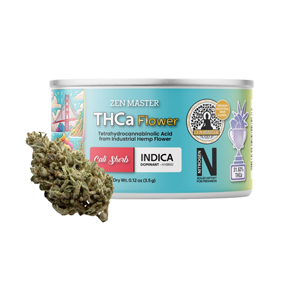
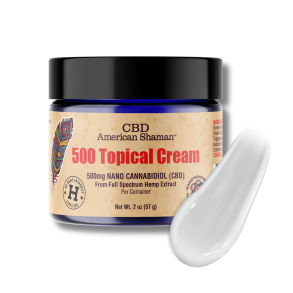
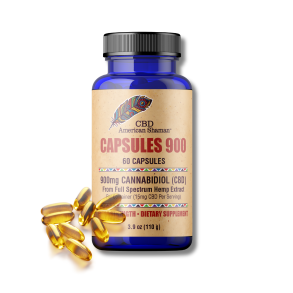

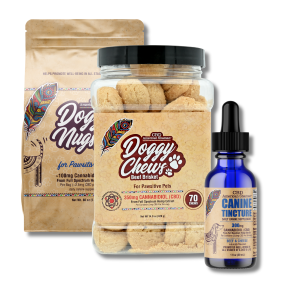

CBD oil is a hemp-derived product containing cannabidiol, one of many naturally occurring compounds found in the cannabis plant, and interest in the compound has grown alongside research exploring its role in everyday wellness routines. Evidence supporting specific outcomes varies widely, with study results differing depending on the population, dosage, and condition examined, meaning claims about particular effects remain an evolving area of research rather than settled fact. General CBD products, including oils, tinctures, and topicals, differ from prescription cannabidiol, since prescription formulations undergo a distinct regulatory approval process and target specific, FDA-recognized conditions under medical supervision. Twenty potential areas of interest follow below, starting with comfort levels, mood support, sleep quality, the body’s inflammatory response, and stress management, among many others explored throughout the list. Safety considerations worth understanding before use accompany the list, along with guidance on selecting a CBD product based on concentration, extraction method, and third-party testing. CBD American Shaman offers a range of CBD oil products for individuals exploring options suited to personal wellness goals.
1. May Help Reduce Chronic Pain
Chronic pain refers to persistent discomfort lasting beyond the typical healing period, often linked to conditions affecting muscles, joints, or nerves. Some research suggests cannabidiol interacts with receptors in the endocannabinoid system, a network involved in regulating comfort levels and sensory signaling throughout the body. Study results vary depending on dosage, method of use, and the specific type of discomfort examined, meaning outcomes differ across individuals and conditions. Findings remain preliminary in many areas, with researchers calling for larger, controlled studies before drawing firm conclusions. Individuals exploring CBD oil for chronic discomfort often consider the compound as part of a broader wellness approach rather than a standalone solution.
2. Can Ease Anxiety Symptoms
Anxiety involves feelings of unease, worry, or nervousness that vary in intensity and duration among individuals. Some studies indicate cannabidiol may influence serotonin receptor activity, a pathway associated with mood regulation and emotional balance. Sample sizes in existing research remain small in many cases, limiting how broadly findings apply across different populations and anxiety types. Dosage and individual body chemistry also appear to influence outcomes, contributing to inconsistent results across studies. Continued research aims to clarify the extent of the compound’s influence on anxiety symptoms over time.
3. May Improve Sleep Quality
Sleep quality refers to how restful and uninterrupted a period of sleep feels, encompassing factors such as time spent in deeper sleep stages. Cannabidiol may influence sleep indirectly by supporting relaxation, since restlessness and racing thoughts often interfere with falling asleep. Some small-scale studies report improved sleep scores among participants using CBD, though results vary based on dosage and the presence of other health factors. Timing of use, along with individual response, appears to play a role in outcomes related to rest. Ongoing research continues to explore the compound’s relationship with sleep patterns across different populations.
4. Helps Reduce Inflammation
Inflammation describes the body’s natural response to injury or irritation, involving swelling, redness, and related sensations at the affected site. Preliminary laboratory research suggests cannabidiol may interact with pathways involved in the body’s inflammatory response, though most findings originate from cell and animal studies rather than large human trials. Translating laboratory results into confirmed human outcomes requires additional research, since biological responses often differ between controlled lab settings and everyday use. Variables such as dosage, method of application, and individual biology further complicate drawing broad conclusions. Researchers continue examining the compound’s relationship with inflammatory markers through ongoing clinical work.
5. Supports Stress Management
Stress management involves techniques and habits aimed at reducing the physical and emotional impact of daily pressures. Cannabidiol may support relaxation by interacting with receptors involved in mood regulation, potentially contributing to a calmer state during stressful periods. Individual responses vary widely, with factors such as dosage, consistency of use, and personal body chemistry influencing outcomes. Many users incorporate CBD oil alongside other stress management practices, including exercise, mindfulness, and sleep hygiene. Research examining the compound’s specific role in stress response continues to develop across various study designs.
6. May Reduce Muscle Soreness After Exercise
Muscle soreness following physical activity results from microscopic tears in muscle fibers during exertion, a process that triggers natural recovery mechanisms. Cannabidiol may support post-exercise comfort by interacting with the body’s response to physical stress, according to early research in the area. Athletes and active individuals sometimes incorporate CBD oil into recovery routines alongside stretching, hydration, and rest. Study sample sizes remain limited, and findings often focus on short-term outcomes rather than long-term recovery patterns. Additional research would help clarify the extent of the compound’s role in muscle recovery following exercise.
7. Can Help Manage Epilepsy (Certain Prescription CBD Products)
A prescription cannabidiol medication received FDA approval for managing seizures associated with specific, rare seizure disorders in patients meeting defined medical criteria. Approval followed clinical trials demonstrating measurable seizure reduction among participants using the prescription formulation under physician supervision. Prescription cannabidiol differs significantly from general wellness CBD oil products, since prescription formulations undergo rigorous testing, standardized dosing, and regulatory oversight specific to seizure disorders. General CBD oil products sold for wellness purposes are not approved or intended for managing seizure disorders. Individuals with seizure disorders should consult a physician regarding appropriate, approved treatment options.
8. May Support Joint Comfort and Mobility
Joint comfort and mobility relate to how freely and easily joints move during daily activity, often affected by age, physical strain, or lifestyle factors. Cannabidiol may support joint comfort by interacting with receptors involved in the body’s response to physical stress on connective tissue. Some individuals report subjective improvements in comfort and range of motion when incorporating CBD oil into a daily routine, though formal research remains limited. Study designs examining joint-related outcomes vary widely, making direct comparisons across findings difficult. Continued research would help establish clearer patterns regarding the compound’s role in joint comfort over time.
9. May Help With Symptoms Associated With Multiple Sclerosis
Multiple sclerosis involves the immune system affecting the central nervous system, leading to a range of physical symptoms that vary among individuals. Research has examined cannabidiol, often alongside other cannabinoids, in relation to muscle spasticity and general comfort levels reported by patients. Certain prescription cannabinoid medications, distinct from general wellness CBD oil, have undergone clinical trials specifically for spasticity associated with multiple sclerosis in select regions. General CBD oil products sold for wellness purposes have not undergone the same level of clinical evaluation for the general population. Patients managing multiple sclerosis symptoms should consult a physician before incorporating any new supplement into a care plan.
10. May Have Neuroprotective Effects
Neuroprotective effects refer to a substance’s potential ability to support the health and function of nerve cells within the brain and nervous system. Laboratory studies suggest cannabidiol may possess properties that support nerve cell function under certain conditions, though findings largely originate from animal and cell-based research. Human clinical trials examining neuroprotective outcomes remain limited, with researchers calling for expanded studies to confirm early findings. Variables such as dosage, delivery method, and individual neurological factors likely influence outcomes in future research. Ongoing scientific interest continues to explore the compound’s relationship with nervous system health.
11. May Support Relaxation Without Intoxication
Relaxation without intoxication describes a calming effect that does not involve the mind-altering sensations associated with tetrahydrocannabinol, another compound found in the cannabis plant. Cannabidiol does not produce the same psychoactive effects as tetrahydrocannabinol, allowing users to seek a calming experience while remaining clear-headed. Many individuals choose CBD oil specifically for the distinction, incorporating the compound into daily routines without concern over impaired functioning. Product formulation and cannabinoid concentration play a role in determining the overall experience for each user. Third-party lab testing helps confirm cannabinoid content, supporting transparency for consumers seeking a non-intoxicating option.
12. May Help With Neuropathic Pain
Neuropathic discomfort originates from nerve damage or dysfunction, often producing sensations such as tingling, burning, or heightened sensitivity in affected areas. Cannabidiol may interact with receptors involved in nerve signaling, according to preliminary research examining nerve-related discomfort. Small-scale studies report varying degrees of subjective improvement among participants, though sample sizes and study designs limit broader conclusions. Underlying causes of nerve-related discomfort vary widely among individuals, further complicating research into consistent outcomes. Continued clinical research would help clarify the compound’s specific role in managing nerve-related sensations.
13. May Support Exercise Recovery
Exercise recovery involves the body’s process of repairing muscle tissue and restoring energy levels following physical activity. Cannabidiol may support recovery by interacting with pathways involved in the body’s response to physical exertion, according to early research in the field. Active individuals sometimes incorporate CBD oil into post-workout routines alongside proper hydration, nutrition, and rest. Research examining recovery-specific outcomes remains limited, with most studies focusing on short-term measures rather than long-term athletic performance. Expanded research would help clarify the compound’s role within a broader exercise recovery routine.
14. May Help Promote a Sense of Calm
A sense of calm reflects a state of mental ease, often sought during moments of daily pressure or overstimulation. Cannabidiol may promote a calming effect by interacting with receptors involved in mood and emotional regulation throughout the nervous system. Many individuals incorporate CBD oil into evening or wind-down routines, pairing the compound with other calming practices such as deep breathing or quiet reflection. Individual response varies based on dosage, consistency, and personal body chemistry. Ongoing research continues to explore the compound’s broader relationship with emotional regulation.
15. May Support Healthy Sleep Habits
Healthy sleep habits involve consistent routines and behaviors that support regular, restful sleep patterns over time. Cannabidiol may support healthy sleep habits by encouraging relaxation before bedtime, potentially making it easier to wind down at the end of the day. Some individuals incorporate CBD oil into a nightly routine alongside practices such as reduced screen time and consistent sleep schedules. Research examining long-term sleep habit outcomes remains limited compared to studies focused on single-night effects. Continued study would help clarify the compound’s role in supporting sustained, healthy sleep patterns.
16. May Support Skin Health When Used Topically
Topical CBD products apply cannabidiol directly to the skin, often formulated into balms, creams, or lotions designed for external use. Research suggests cannabidiol may interact with receptors present in skin cells, potentially supporting the skin’s natural balance when applied topically. Some studies have examined the compound in relation to oil production and the skin’s response to irritation, though findings remain preliminary. Topical application allows cannabidiol to interact with a targeted area without entering the bloodstream in the same way as oral products. Continued research would help clarify the extent of the compound’s role in topical skin support.
17. May Have Antioxidant Properties
Antioxidant properties refer to a substance’s ability to interact with unstable molecules that can affect cell health over time. Laboratory research suggests cannabidiol may exhibit antioxidant characteristics, potentially supporting cellular health under certain experimental conditions. Findings largely stem from cell-based and animal studies, with human clinical research in the area remaining limited. Translating laboratory antioxidant activity into confirmed human health outcomes requires additional, larger-scale studies. Scientific interest in the compound’s antioxidant properties continues to grow alongside broader cannabinoid research.
18. May Support Appetite and Digestive Comfort
Appetite and digestive comfort relate to the body’s regulation of hunger signals and the ease of the digestive process. Cannabidiol may interact with receptors in the digestive system, according to emerging research examining gut-related comfort and appetite regulation. Some studies have explored the compound in relation to nausea and general digestive sensations, though findings remain in early stages. Individual digestive responses vary widely, influenced by factors such as diet, dosage, and overall gut health. Continued research would help clarify the compound’s specific role in supporting digestive comfort.
19. May Support Overall Wellness
Overall wellness encompasses a broad range of physical and emotional factors that contribute to daily well-being. Cannabidiol may support general wellness by interacting with the endocannabinoid system, a network involved in regulating mood, comfort, and balance throughout the body. Many individuals incorporate CBD oil as one component of a broader wellness routine that includes diet, exercise, and sleep habits. Research examining the compound’s role in general wellness remains broad and ongoing, without focusing on any single condition or outcome. Continued study across multiple areas of health would help clarify the compound’s overall contribution to daily wellness.
20. May Help With Occasional Discomfort
Occasional discomfort refers to mild, temporary sensations that arise periodically rather than persisting as a chronic condition. Cannabidiol may support comfort during these moments by interacting with receptors involved in the body’s natural response to physical strain. Many individuals turn to CBD oil as part of a general wellness routine rather than as a targeted response to a specific medical condition. Individual experiences vary based on dosage, frequency of use, and personal body chemistry. Consulting a healthcare provider remains advisable before incorporating CBD oil into a routine addressing recurring discomfort.
What Makes CBD Oil Beneficial for Overall Wellness?
CBD oil supports overall wellness for many individuals through common uses such as relaxation, sleep support, stress management, and general daily balance. Individual responses vary widely, influenced by factors such as dosage, consistency of use, and personal body chemistry, meaning results differ from person to person. Evidence supporting specific outcomes remains an evolving area of research, with many findings still considered preliminary rather than conclusive. CBD oil should not replace medical care or healthy lifestyle practices, including proper nutrition, exercise, and sleep habits recommended by a healthcare provider. Individuals interested in exploring options for a wellness routine can buy CBD Oil Online through a trusted retailer offering third-party tested products.
How is CBD Oil Made?
CBD oil is made through a multi-step process beginning with hemp cultivation, where farmers grow hemp plants bred specifically for higher cannabidiol content under regulated agricultural conditions. Extraction follows harvesting, using methods such as carbon dioxide extraction or ethanol extraction to separate cannabidiol and other compounds from the plant material. Purification removes unwanted plant matter and excess compounds, refining the extract into a cleaner, more concentrated form. Formulation combines the purified extract with a carrier oil, along with any additional ingredients, creating the final product ready for packaging. Third-party testing verifies cannabinoid content and screens for contaminants, with manufacturing methods directly affecting overall product quality and consistency, a process explained further in How is CBD Oil Made?
What are the Most Common Uses of CBD Oil?
CBD oil is commonly used for relaxation, sleep support, stress management, exercise recovery, and occasional discomfort as part of everyday wellness routines. Consumer use differs from medically established use, since medically established use applies specifically to an FDA-approved prescription cannabidiol medication for certain seizure disorders under physician supervision. General CBD oil products sold for wellness purposes have not undergone the same regulatory approval process as prescription formulations. Individuals selecting a product for common wellness purposes should consider factors such as concentration, extraction method, and third-party testing. Exploring the range of Uses of CBD Oil helps individuals identify a product suited to personal wellness goals.
Does the Source of CBD Affect Its Benefits?
Yes, the source of CBD affects its benefits, since hemp source, cultivation, extraction, and manufacturing standards all influence final product quality. Hemp grown in well-regulated, nutrient-rich soil produces cleaner plant material, reducing the risk of contaminants like heavy metals or pesticides. Extraction method matters as well, with carbon dioxide extraction generally producing a purer, more consistent result than less refined methods. Formulation and manufacturing standards further determine consistency, ensuring accurate cannabinoid concentration across product batches. Independent laboratory testing offers a reliable way to verify potency and purity, giving consumers a clear picture of what a product actually contains before purchase.
How Does CBD Oil Produce Different Effects in the Body?
CBD oil produces different effects in the body by interacting with multiple biological systems, including the endocannabinoid system, a network of receptors involved in regulating mood, comfort, and balance. Dose plays a significant role in determining the intensity and type of effect experienced, with lower and higher amounts sometimes producing noticeably different results. Formulation also influences outcomes, since factors such as carrier oil, additional ingredients, and cannabinoid concentration affect how the body processes the product. Individual biology, including metabolism, body weight, and personal sensitivity, further shapes how CBD interacts with each person’s system. Other factors, such as frequency of use and overall health status, contribute additional variation to the effects experienced.
Why do People Experience Different Results From CBD Oil?
People experience different results from CBD oil because of a combination of individual biology, dosage, product formulation, metabolism, and frequency of use. Body weight, genetics, and overall health status vary from person to person, directly influencing how the body processes and responds to cannabinoids. Dosage differences also account for varying outcomes, since an amount effective for one individual may produce a different result for another. Product formulation, including cannabinoid concentration and additional ingredients, adds further variation across different CBD oil products. Metabolism and consistency of use round out the list of factors, with faster metabolic rates often processing CBD more quickly than slower ones.
Can the Same CBD Oil Work Differently for Each Person?
Yes, the same CBD oil can work differently for each person, since individual responses vary based on biology, dosage, and personal habits. No universally effective dose or experience exists across all users, meaning an amount that works well for one individual may feel insufficient or excessive for another. Body weight, metabolism, and overall health status all contribute to the variation, shaping how each person’s system processes the same product. Personal habits, including frequency of use and consistency, further influence how effects present themselves over time. Recognizing the variability helps set realistic expectations when trying a CBD oil product for the first time.
How Long Does It Take to Notice CBD Oil Benefits?
CBD oil benefits take anywhere from minutes to a few hours to notice, depending on delivery method, formulation, dose, food intake, and individual factors. Sublingual oils tend to produce quicker results compared to edibles, since absorption through the mouth bypasses the slower digestive process. Food intake also affects onset, with cannabinoids sometimes absorbing more efficiently when taken alongside a meal containing fat. Onset differs from the time needed to evaluate ongoing effects, since immediate sensations may differ from cumulative benefits that build with consistent use over days or weeks. Individual factors, including metabolism and body chemistry, further influence how quickly a person notices results.
What Factors Influence How Quickly CBD Oil Works?
Delivery method, food intake, formulation, and individual metabolism factor into how quickly CBD oil works. Oils and tinctures taken sublingually tend to absorb faster than capsules or edibles, since the compound enters the bloodstream through tissue in the mouth rather than through digestion. Capsules and edibles pass through the digestive system first, resulting in a slower onset compared to sublingual methods. Topical products act locally at the site of application, producing effects unrelated to bloodstream absorption entirely. Food intake, particularly meals containing fat, can influence absorption speed, while individual metabolism further determines how quickly a person processes the compound.
Does the Delivery Method Affect the Results?
Yes, the delivery method affects the results. Oral oils, capsules, edibles, and topical CBD differ in absorption, onset, duration, and intended use. Oral oils absorb relatively quickly through tissue in the mouth, producing effects sooner than methods requiring digestion. Capsules and edibles pass through the digestive system, resulting in a slower onset but often a longer overall duration of effects. Topical products apply directly to the skin, targeting a localized area without entering the bloodstream in the same way as oral methods. Selecting a delivery method suited to individual goals, whether faster onset or targeted application, plays a key role in the overall experience.
How Much CBD Oil Should You Take?
CBD oil dosage varies from person to person, with no single amount appropriate for everyone across every product and use case. Product concentration plays a major role in determining an appropriate serving size, as oils vary widely in the amount of cannabidiol contained per drop or milliliter. Formulation also factors into dosage decisions, as additional ingredients and overall potency differ between brands and product lines. Intended use further shapes dosage considerations, because an amount suited for general wellness may differ from an amount used for a more specific purpose. Individual factors, including body weight, metabolism, and personal sensitivity, contribute additional variation to what feels appropriate for each user. Professional guidance from a healthcare provider offers a reliable starting point for determining a suitable serving size, particularly for individuals new to CBD oil or managing existing health conditions.
What Determines the Quality of CBD Oil?
CBD oil quality is determined by concentration, ingredient list, extraction method, manufacturing practices, batch testing, and overall product transparency. Concentration refers to the amount of cannabidiol present per serving, with accurate labeling reflecting what a bottle actually contains. Ingredients beyond cannabidiol, including carrier oils and additives, contribute to purity and overall formulation quality. Extraction method affects the final product as well, with carbon dioxide extraction generally producing a cleaner result than less refined techniques. Manufacturing practices, batch-specific testing, and clear disclosure of lab results together build a picture of a trustworthy, well-made product.
Which CBD Oil Strength Should You Choose?
CBD oil strength refers to the total cannabidiol concentration within a bottle, a measurement distinct from serving size, which refers to the amount taken at one time. A higher-strength product is not automatically better, because an individual using a small serving of a high-strength oil may consume a similar amount of cannabidiol as someone taking a larger serving of a lower-strength product. Selecting an appropriate strength depends on factors such as body weight, intended use, and personal experience with CBD. Beginners often start with a lower-strength option, adjusting gradually based on individual response over time. Matching strength to serving size, rather than choosing the highest available concentration, supports a more controlled and predictable experience.
How Can You Tell Fake CBD Oil From Real CBD Oil?
Fake CBD oil is distinguished from real CBD oil by examining third-party laboratory reports, ingredient lists, cannabinoid content, batch information, and manufacturer transparency. A legitimate product includes a certificate of analysis from an independent lab, confirming cannabinoid content and screening for contaminants such as heavy metals or pesticides. Ingredient lists on authentic products remain clear and specific, avoiding vague or misleading terminology. Batch numbers allow consumers to match a specific bottle to its corresponding lab report, adding a layer of accountability. Manufacturer transparency, including accessible testing results and clear labeling, separates a trustworthy product from Fake CBD Oil vs Real CBD Oil comparisons found across less reputable sellers.
Does Taking More CBD Provide Greater Benefits?
No, taking more CBD does not provide greater benefits, and higher amounts may increase the likelihood of side effects. Cannabidiol appears to follow a pattern in some research where effects plateau beyond a certain amount, rather than continuing to increase proportionally with dose. Larger amounts also raise the chance of experiencing side effects such as drowsiness or digestive discomfort. Individual response varies, meaning an amount effective for one person may exceed what another person needs to achieve a similar result. Gradually adjusting a serving size, rather than assuming more produces better results, supports a more balanced approach to use.
What are the Side Effects of CBD Oil?
CBD oil side effects may include drowsiness, diarrhea, appetite changes, and mood changes, varying in likelihood and intensity among individuals. Drowsiness sometimes occurs at higher doses, particularly when combined with other substances that produce a similar effect. Digestive changes, including diarrhea, may result from certain formulations or carrier oils used within a product. Appetite and mood changes appear less frequently but remain among the reported effects noted in available research. CBD oil can also affect how certain medications work within the body, making awareness of potential interactions an important safety consideration.
Can CBD Oil Interact With Medications?
Yes, CBD oil can interact with certain medications, potentially altering drug levels within the body. Cannabidiol affects specific liver enzymes responsible for metabolizing many common medications, which may cause the medications to build up or clear more slowly than intended. Blood thinners, certain seizure medications, and other prescription drugs fall among the categories most commonly associated with potential interactions. Speaking with a healthcare professional or pharmacist before combining CBD with regular medications helps identify potential risks in advance. Professional guidance remains especially important for individuals managing chronic conditions requiring consistent medication levels.
Who Should Avoid CBD Oil or Talk to a Doctor First?
People who should avoid CBD oil or talk to a doctor first include people who are pregnant or breastfeeding, people taking medications, and people managing certain medical conditions. Pregnancy and breastfeeding introduce additional considerations regarding fetal and infant development, making professional guidance essential before use. Individuals taking regular medications face potential interaction risks, particularly with drugs metabolized through the liver. People managing certain medical conditions, including liver disease, may require closer monitoring when introducing a new supplement. Anyone considering CBD oil for a serious health condition benefits from consulting a physician before beginning use.
Who May Benefit Most From CBD Oil?
Adults exploring goals such as relaxation, sleep support, stress management, or general wellness may benefit most from CBD oil, though suitability varies from person to person. Individual health status, current medications, and personal wellness goals all factor into whether CBD oil fits appropriately into a routine. CBD oil remains unsuitable for certain individuals, including those managing specific medical conditions or taking interacting medications. Suitability also depends on product quality and appropriate dosage, both of which influence the overall experience. Consulting a healthcare provider helps determine whether CBD oil aligns with individual health circumstances.
What Lifestyle Goals Does CBD Oil Commonly Support?
CBD oil commonly supports lifestyle goals including relaxation, healthy sleep habits, stress management, exercise recovery, and general wellness. Individuals incorporating CBD oil into a daily routine often pair the product with other supportive habits, including regular exercise and consistent sleep schedules. Exercise recovery represents another common goal, with some individuals using CBD oil alongside stretching and proper hydration following physical activity. General wellness remains a broad category, encompassing everyday balance rather than a specific, targeted outcome. Framing CBD oil within lifestyle support, rather than presenting outcomes as guaranteed medical benefits, reflects a more accurate picture of common consumer use.
Is CBD Oil Suitable for Everyday Wellness?
Yes, CBD oil may be suitable for everyday wellness for some adults, though daily use is not necessary for everyone. Product quality plays a significant role in determining suitability, with third-party tested products offering greater consistency for regular use. Individual response varies widely, meaning some individuals notice benefits from daily use while others prefer occasional use based on personal need. Professional guidance helps clarify whether daily use aligns with individual health goals and circumstances. Adjusting frequency based on personal experience, rather than following a fixed daily routine, allows for a more tailored approach.
What Should You Know Before Using CBD Oil?
Product quality, ingredient transparency, and third-party testing rank among the most important factors to know before using CBD oil. Appropriate dosage, based on product concentration and individual factors, helps establish a reasonable starting point for new users. Awareness of potential side effects and medication interactions supports safer use, particularly for individuals managing existing health conditions. Local regulations surrounding CBD oil vary by region, making awareness of applicable laws an important consideration before purchase or use. Seeking professional advice from a healthcare provider rounds out a practical checklist for anyone new to CBD oil.
How do you Choose the Right CBD Oil?
Choosing the right CBD oil involves evaluating concentration, formulation type, ingredient list, third-party testing, extraction method, and manufacturer transparency. Full-spectrum products contain a range of naturally occurring cannabinoids and compounds found in the hemp plant, while broad-spectrum products remove tetrahydrocannabinol while retaining other compounds. Isolate products contain cannabidiol alone, without additional cannabinoids or plant compounds present. Extraction method and ingredient quality further influence overall product purity and consistency across batches. Reviewing manufacturer transparency, including accessible lab reports, supports a more informed purchase, a process outlined further in How do you Choose a CBD Oil?
What Is the Difference Between CBD Oil and Hemp Oil?
CBD oil differs from hemp oil in source material and cannabinoid content, despite frequent confusion between the two terms. CBD oil derives from the flowers, leaves, and stalks of the hemp plant, containing cannabidiol as its primary active compound. Hemp seed oil, often labeled simply as hemp oil, comes exclusively from the seeds of the hemp plant and contains little to no cannabidiol. Hemp seed oil offers nutritional value, including fatty acids, but does not provide the same cannabinoid-related properties associated with CBD oil. Reading product labels carefully helps distinguish between the two, avoiding confusion when selecting a hemp-derived product for a specific purpose.