






20 Cannabidiol (CBD) facts cover the compound’s origins, effects, and regulatory status, addressing common questions among hemp-derived product consumers. CBD is made from cannabis plants, typically hemp, through extraction methods that separate cannabinoids from surrounding plant material. The compound can remain in the body for varying lengths of time after use, depending on dosage, frequency, and individual metabolism. First-time CBD consumers benefit from reviewing product concentration, ingredients, and independent testing before making a purchase.
1. CBD Stands for Cannabidiol
Cannabidiol is a naturally occurring compound found in cannabis plants, belonging to a broad class of chemical compounds known as cannabinoids, each carrying a distinct molecular structure. Cannabis plants produce more than one hundred different cannabinoids throughout their growth cycle, with cannabidiol representing one of the most abundant and widely studied. Manufacturers extract cannabidiol from plant material, typically hemp, using methods designed to isolate the compound from surrounding plant tissue. The extracted compound then becomes an ingredient in oils, gummies, capsules, and topical products marketed for general wellness. Cannabidiol does not produce the intoxicating effects associated with tetrahydrocannabinol (THC), distinguishing it from more widely recognized psychoactive cannabinoids. Understanding the full name behind the abbreviation helps consumers recognize cannabidiol across scientific literature, product labeling, and regulatory documentation.
2. CBD Is a Cannabinoid Found in Cannabis
Cannabinoids are chemical compounds that interact with the body’s endocannabinoid system, with cannabidiol representing one of more than one hundred distinct cannabinoids produced by cannabis plants. Cannabinoids interact with receptors located throughout the brain, nervous system, and immune-related tissues, influencing various physiological processes. Only a handful of cannabinoids, including cannabidiol and tetrahydrocannabinol, receive significant scientific attention despite the large number naturally present in the plant. Each cannabinoid has a unique molecular structure, leading to distinct interactions with receptors and effects in the body. Cannabidiol specifically interacts with receptors differently than THC, contributing to its nonintoxicating profile. Manufacturers extract cannabinoids from cannabis plants using various methods, then incorporate them into oils, capsules, and other wellness products. Recognizing cannabidiol as one member of a larger cannabinoid family helps consumers understand its place within broader cannabis science.
3. CBD Does Not Typically Produce Intoxicating Effects
CBD does not typically produce intoxicating effects associated with tetrahydrocannabinol (THC), the cannabinoid primarily responsible for cannabis related psychoactive experiences. Cannabidiol interacts with the body’s receptors differently than THC, resulting in a distinct, generally nonintoxicating profile. THC binds strongly to CB1 receptors located throughout the brain, producing the altered perception commonly associated with cannabis use. Cannabidiol does not bind to the same receptors in the same manner, meaning consumers generally do not experience impaired mental clarity or altered perception after use. Many individuals select CBD specifically because of the nonintoxicating quality, allowing continued participation in daily activities without noticeable impairment. Product formulations vary in cannabinoid composition, meaning trace THC amounts may still appear within certain full spectrum products. Reviewing lab reports helps confirm the specific cannabinoid profile present within any given CBD product.
4. CBD Can Come From Hemp
Hemp is a type of cannabis plant cultivated specifically for low tetrahydrocannabinol (THC) content and higher cannabidiol concentration. Federal regulations classify hemp as any cannabis plant containing no more than a specific legal THC threshold, distinguishing it from higher THC cannabis varieties. Hemp plants naturally produce cannabidiol alongside other cannabinoids, terpenes, and plant compounds throughout their growth cycle. Manufacturers extract cannabidiol from hemp using methods designed to separate cannabinoids from surrounding plant material while preserving compound integrity. Hemp derived CBD products represent the majority of cannabidiol products available for general consumer purchase, given hemp’s legal status under current regulations. Reviewing “What Hemp Is?”provides additional detail regarding hemp classification, cultivation, and regulatory distinctions. Understanding hemp’s role as a cannabidiol source helps consumers recognize labeling and sourcing information across available products.
5. CBD Can Come From Cannabis
Cannabis represents a broader plant category that includes both hemp and varieties with higher THC content, all of which naturally produce cannabinoids including cannabidiol. Cannabis plants produce cannabinoids throughout their growth cycle, though concentration varies significantly between plant varieties. Hemp represents one classification within the cannabis category, distinguished specifically by lower THC content compared with other cannabis varieties. Higher-THC cannabis varieties also contain cannabidiol, though extraction from such plants may carry different legal considerations depending on regional regulations. Extraction methods determine which cannabinoids remain in a finished product, regardless of the specific plant variety used as the source. Manufacturers typically select hemp as a cannabidiol source due to its lower THC content and broader legal availability. Recognizing cannabis as the overall plant category helps consumers understand the relationship between hemp and other cannabis varieties.
6. CBD Is Different From THC
CBD is different from THC, since the two compounds represent distinct cannabinoids with different chemical structures and effects on the body. Tetrahydrocannabinol produces intoxicating effects through strong interaction with CB1 receptors located throughout the brain and central nervous system. Cannabidiol interacts with the same receptor system differently, generally resulting in a nonintoxicating experience for most consumers. Both compounds originate from the same cannabis plant, though concentration varies significantly depending on plant variety and cultivation practices. Legal status also differs between the two compounds, since hemp derived cannabidiol containing minimal THC generally carries different regulatory treatment than higher THC cannabis products. Consumers select between CBD and THC products based on individual preference regarding intoxicating effects and intended use. Understanding the distinction between the two cannabinoids helps consumers select products matching personal circumstances and preferences.
7. CBD Is Available as Oils
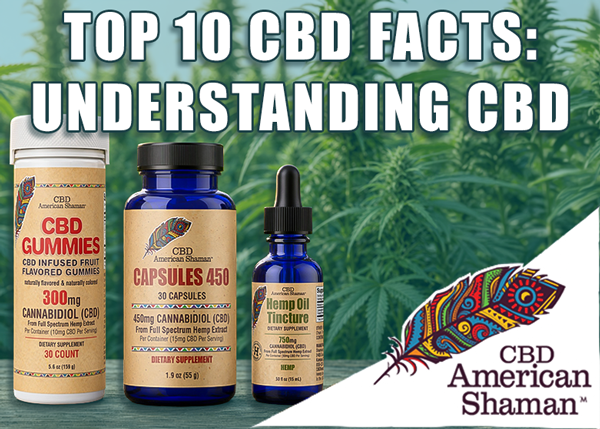
Oils represent one of the most popular CBD product formats, consisting of liquid products containing cannabidiol combined with a carrier oil for consistent measurement. Manufacturers typically combine cannabidiol extract with carrier oils, such as coconut or hemp seed oil, to create a stable, measurable formulation. Oils allow for flexible dosing through a marked dropper, permitting small, precise adjustments to total cannabidiol intake. Concentration varies considerably between oil products, meaning consumers should review labeled milligram content before comparing options. The dosing flexibility and straightforward daily use make oils appealing for many consumers. A selection of CBD Oilproducts offers various concentrations and formulations for individual preference. Reviewing product labeling and lab reports helps confirm actual cannabidiol content before selecting a specific oil product.
8. CBD Is Available as Gummies
Gummies are edible products containing cannabidiol incorporated into a chewable, flavored format, offering a convenient alternative to oils or capsules. Manufacturers typically infuse gummies with a pre measured cannabidiol amount per piece, offering predictable, consistent servings across an entire package. Gummies provide a discreet consumption method appealing to consumers seeking a simple daily routine. Flavoring and sweeteners included within gummy formulations help mask the natural taste associated with hemp derived extracts. Consistency between pieces makes gummies a popular choice for consumers preferring straightforward, repeatable dosing without additional measurement. Available CBD Gummies provide a fixed cannabidiol amount per serving, simplifying daily intake tracking. Reviewing labeled milligram content per piece remains important when comparing gummies against other product formats.
9. CBD Is Available as Capsules
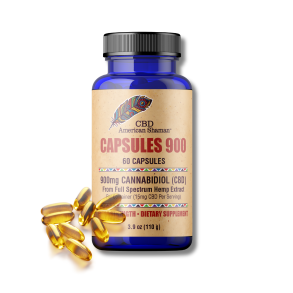
Capsules are oral supplements containing cannabidiol enclosed within a standardized, swallowable format similar to traditional dietary supplements. Manufacturers formulate capsules with a fixed cannabidiol amount per unit, offering consistent, repeatable dosing. Capsules provide a convenient, tasteless consumption method for individuals who prefer avoiding the flavor associated with oils or gummies. The format also allows for straightforward incorporation into an existing daily supplement routine without additional measurement. Absorption may differ slightly compared with liquid oil formats, since capsules require digestion before cannabidiol enters the bloodstream. A selection of CBD Capsules offers various concentrations for individual preference and daily routine needs. Reviewing labeled cannabidiol content per capsule supports accurate comparison against other available product formats.
10. CBD Is Available as Creams
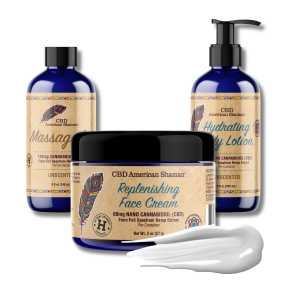
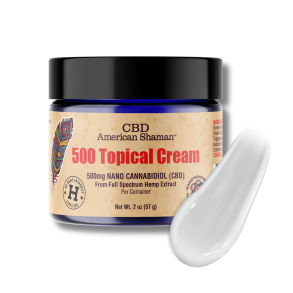
Creams are topical products containing cannabidiol formulated for direct application to the skin rather than ingestion. Manufacturers combine cannabidiol extract with moisturizing bases and additional ingredients to create a smooth, applicable formulation. The format allows for localized application to specific areas, distinguishing creams from oils, gummies, and capsules. Absorption through the skin differs significantly from oral or inhaled methods, since topical application primarily affects localized tissue rather than entering the bloodstream in meaningful amounts. Formulations vary considerably in cannabidiol concentration and additional ingredients, including essential oils, menthol, or other complementary compounds. Consumers select creams specifically for targeted, localized application rather than general systemic use. Reviewing product labeling helps confirm cannabidiol concentration and additional ingredients present within any given cream formulation.
11. CBD May Interact With Medications
CBD may interact with medications, since cannabidiol can affect how certain drugs are processed and metabolized by the body. Cannabidiol influences specific liver enzymes, including those within the cytochrome P450 system, which many prescription medications rely upon for proper breakdown. The interaction may alter how much active medication remains within the bloodstream, potentially increasing or decreasing its overall effect. Combined use without professional guidance may raise the likelihood of unexpected side effects or changes in medication effectiveness. Certain medication categories, including some antidepressants and blood thinners, may carry a higher interaction risk depending on their specific metabolic pathway. Consulting a healthcare provider remains advisable before combining CBD with any prescription or over-the-counter medication. Reviewing potential interactions supports safer, more informed decisions regarding combined cannabidiol and medication use.
12. CBD May Cause Drowsiness
CBD may cause drowsiness, a state of feeling unusually sleepy or tired that can affect daily alertness. Some individuals report drowsiness after taking cannabidiol, particularly when consuming higher amounts or combining CBD with other sedating substances. Drowsiness may appear shortly after use or develop gradually depending on formulation, amount taken, and individual metabolism. Certain individuals notice pronounced sleepiness, while others experience little to no noticeable change in alertness after similar amounts. Timing use around activities requiring focus, such as driving or operating machinery, may help reduce potential disruption caused by unexpected drowsiness. Awareness of the possible effect supports safer decision-making regarding when and how much cannabidiol to take. Consulting a healthcare provider remains advisable for individuals experiencing persistent or significant drowsiness after cannabidiol use.
13. CBD May Affect Appetite
CBD may affect appetite, a person’s desire or need to eat that can fluctuate based on numerous physiological factors. Cannabidiol may influence appetite in some individuals, with reports varying between increased desire to eat and reduced interest in food. Individual response depends considerably on amount taken, product formulation, and personal metabolic factors unique to each person. Some consumers report noticeable appetite changes shortly after use, while others notice no meaningful difference in eating patterns. Appetite-related effects remain an area of ongoing scientific interest, though findings vary across available research and individual reports. Monitoring personal response over time can help individuals understand how cannabidiol specifically affects personal eating habits. Consulting a healthcare provider remains advisable for individuals experiencing significant or persistent appetite changes after cannabidiol use.
14. CBD May Cause Diarrhea
CBD may cause diarrhea, the passage of loose or watery stools occurring more frequently than usual bowel patterns. Some individuals report digestive upset after taking cannabidiol, particularly when consuming higher amounts or specific carrier oil formulations. Certain carrier oils used within CBD products, including some plant-based oils, may contribute to digestive discomfort independent of cannabidiol itself. Adjusting the amount taken, or timing use around meals, may help reduce the likelihood of experiencing digestive upset. Symptoms typically remain mild and temporary, resolving once the body adjusts or the amount taken decreases. Individuals with sensitive digestive systems may notice symptoms more readily than others, even at comparable cannabidiol amounts. Consulting a healthcare provider remains advisable for individuals experiencing persistent or severe digestive symptoms after cannabidiol use.
15. CBD Is Being Studied for Epilepsy
CBD is being studied for epilepsy, a neurological disorder characterized by recurrent seizures affecting normal brain activity. Researchers have examined cannabidiol specifically in relation to seizure activity associated with certain severe, treatment-resistant epilepsy syndromes. Findings from such research contributed to the development of one prescription medication approved specifically for particular severe epilepsy conditions. The approved prescription formulation differs significantly from general wellness CBD products sold for everyday consumer use. General wellness CBD products remain distinct from prescription formulations and are not intended to address epilepsy or seizure activity. Individuals managing epilepsy or seizure disorders should rely on guidance from a neurologist or prescribing physician rather than general wellness products. Ongoing research continues to explore cannabidiol’s broader relationship with neurological health beyond currently approved applications.
16. CBD Is Being Studied for Pain
CBD is being studied for pain, an unpleasant sensory or emotional experience associated with actual or potential tissue damage. Researchers continue exploring cannabidiol in relation to general comfort and wellness, examining its interaction with receptors involved in processing discomfort. Findings vary considerably across available research, depending on study design, formulation tested, and type of discomfort examined. Some studies report modest findings related to general comfort, while others show limited or inconclusive results. Persistent or severe discomfort deserves medical evaluation rather than reliance on CBD alone as a primary approach. A healthcare professional can help determine whether cannabidiol fits appropriately within a broader plan for managing ongoing discomfort. Continued research aims to clarify cannabidiol’s specific role and limitations regarding general comfort-related use.
17. CBD Is Being Studied for Anxiety
CBD is being studied for anxiety, a feeling of worry, nervousness, or unease that can affect daily functioning. Researchers continue exploring cannabidiol in relation to general calmness and wellness, examining its interaction with receptors involved in mood regulation. Findings remain preliminary and vary considerably between studies, depending on formulation, amount tested, and specific population examined. Some research suggests modest findings related to general calmness, while other studies show limited or inconsistent results. Individuals experiencing persistent or significant anxiety should consult a healthcare professional rather than relying on CBD alone. A mental health professional can help determine appropriate approaches for managing ongoing anxiety-related symptoms. Continued scientific investigation aims to clarify cannabidiol’s specific role and limitations regarding general calmness-related use.
18. CBD Products May Contain THC
CBD products may contain tetrahydrocannabinol (THC), a psychoactive cannabinoid responsible for most of cannabis’s intoxicating effects. Full spectrum CBD products retain a broader range of naturally occurring compounds, including trace THC amounts within federally established legal limits. Broad-spectrum products undergo additional processing designed to remove THC entirely or reduce it to non-detectable levels. Isolate-based products contain purified cannabidiol alone, without additional cannabinoids or trace THC present within the formulation. Consumers concerned about any THC content may consider broad-spectrum or isolate-based alternatives instead of full spectrum options. Individuals subject to routine drug screening may want to review THC content carefully before selecting a specific product. Reviewing lab reports confirms actual THC content before purchase, regardless of the specific formulation type selected.
19. CBD Regulations Vary by Country
CBD regulations vary by country, meaning laws and rules governing production, sale, possession, and use differ significantly across regions. Legal status depends on factors such as THC content, product source, and regional classification distinguishing hemp from other cannabis varieties. Some countries permit hemp-derived CBD products broadly, provided THC content remains below a specific legal threshold. Other countries maintain stricter regulations, limiting or prohibiting CBD products regardless of THC content or plant source. Regulations may also differ regarding permitted product formats, marketing claims, and required testing or labeling standards. Consumers should review local regulations carefully before purchasing, possessing, or traveling internationally with CBD products. Awareness of regional legal differences helps consumers avoid potential legal complications related to CBD product use.
20. CBD Research Is Still Developing
CBD research is still developing, reflecting an active and ongoing scientific effort to understand cannabidiol’s effects, benefits, and risks. Researchers continue examining cannabidiol’s interaction with the body across various formulations, amounts, and delivery methods. Findings often vary between studies, depending on factors such as study design, population examined, and specific outcome measured. Some areas of research remain more established, while others continue producing preliminary or inconsistent results requiring further investigation. Regulatory agencies and scientific institutions continue monitoring emerging research to inform future guidance and policy decisions. Continued research will likely refine understanding of cannabidiol’s role within general wellness and other applications over time, a shift reflected in current CBD Research.
How is CBD Made From Cannabis Plants?
CBD is made from cannabis plants through extraction methods that separate cannabinoids from surrounding plant material, typically using hemp as the primary source. Common extraction methods include carbon dioxide extraction, ethanol extraction, and hydrocarbon extraction, each offering different advantages regarding purity and efficiency. Carbon dioxide extraction generally produces a cleaner extract with fewer residual solvents, though the equipment required tends to be more costly. Ethanol extraction offers a simpler, more affordable method, though additional purification steps may be needed to remove plant chlorophyll. Hydrocarbon extraction can produce potent extracts efficiently, though residual solvent removal requires careful processing. The chosen extraction method can affect the purity and chemical profile of the final product, influencing which additional compounds remain present. Reviewing lab reports helps confirm which extraction method a manufacturer used and how it affected the finished product.
What Parts of the Cannabis Plant are Used to Extract CBD?
Cannabidiol is primarily extracted from the flowers and leaves of cannabis plants. Flowers and leaves contain higher concentrations of cannabinoids than most other plant tissues, including stalks and seeds. Trichomes, small resin-producing structures found predominantly on flowers, hold the highest cannabinoid concentration within the plant. Plant variety significantly influences the amount of cannabidiol available for extraction, since some strains are cultivated specifically for higher cannabinoid yield. The extraction process also plays a role, since certain methods capture cannabinoids more efficiently than others. Manufacturers often select specific plant varieties and extraction techniques to maximize cannabidiol yield while minimizing unwanted plant material.
Does the Extraction Method Affect the Final CBD Product?
Yes, extraction methods can affect the purity, potency, and compounds remaining within a finished CBD product. Different extraction methods remove or retain different plant compounds, including terpenes, chlorophyll, and residual solvents. Carbon dioxide extraction tends to produce a cleaner, more refined extract compared with some alternative methods. Proper processing and testing help ensure consistent quality and confirm that the finished product matches its labeled content. Reviewing available CBD products allows consumers to compare formulations produced through different extraction methods. Laboratory verification remains the most reliable method for confirming actual product composition regardless of extraction technique used.
How is CBD Absorbed and Processed by the Body?
Cannabidiol enters the bloodstream after absorption and undergoes processing primarily within the liver. Absorption varies considerably depending on how a person takes cannabidiol, since oral, topical, and inhaled methods each follow different pathways into the body. Oral CBD generally takes longer to produce noticeable effects compared with inhaled forms, since digestion and liver processing require additional time. Inhaled cannabidiol enters the bloodstream more rapidly through the lungs, bypassing much of the digestive process. Topical application primarily affects localized areas rather than entering the bloodstream in significant amounts. The liver metabolizes cannabidiol through specific enzyme pathways, converting the compound into various metabolites before elimination from the body.
How Long does CBD Stay in the Body?
Cannabidiol can remain in the body for varying lengths of time depending on dosage, frequency of use, individual metabolism, and other personal factors. Metabolites produced during processing may remain detectable after noticeable effects have already ended. Regular, frequent use tends to extend how long cannabidiol and its metabolites remain present within the body compared with occasional use. Body composition, including fat percentage, may also influence how long cannabinoids remain stored within tissue. No single detection or elimination timeframe applies universally to every individual, since personal factors vary considerably. Reviewing product labeling and consulting a healthcare professional can help address specific questions regarding individual circumstances.
Can Factors Like Food and Metabolism Change CBD Absorption?
Yes, food intake and individual metabolism can affect how cannabidiol is absorbed and processed within the body. Taking CBD alongside food, particularly fatty food, may increase how much cannabidiol enters the bloodstream compared with taking it on an empty stomach. Individual metabolic rate influences how quickly the body processes and eliminates cannabidiol following absorption. Food intake and metabolic variation together can affect both the timing and intensity of noticeable effects between individuals. Body weight, age, and overall health may further contribute to variation in absorption and processing. Consistent timing relative to meals may help individuals better understand a personal absorption pattern over time.
What Factors Affect the Strength of CBD Products?
CBD product strength depends mainly on cannabidiol concentration and the total amount present within a single serving. Product formulation, including added ingredients and carrier substances, can also influence overall potency and how the body absorbs the compound. Extraction method plays an additional role, since some methods preserve more of the original plant compounds than others. Checking labeled cannabidiol content helps consumers compare strength across different products and manufacturers accurately. Two products with identical serving sizes may still differ significantly in strength depending on underlying concentration. Reviewing lab reports alongside product labeling provides the most reliable method for confirming actual product strength.
How does CBD Concentration Change the Amount You Take?
CBD concentration changes the amount you take by requiring fewer drops or a smaller volume as concentration increases. Higher concentrations provide more cannabidiol within a smaller overall volume compared with lower concentration formulations. A stronger oil, for example, may contain more cannabidiol per milliliter or per drop than a comparable lower strength product. Consumers using a higher concentration product may need fewer drops or a smaller volume to reach a desired cannabidiol amount. Concentration should always be considered when measuring an appropriate amount, rather than relying on drop count or volume alone. Reviewing labeled concentration helps prevent unintentional overuse or underuse when switching between different products.
Can CBD Potency Vary Between Products?
Yes, cannabidiol potency can vary considerably between products and manufacturers. Label accuracy and manufacturing quality can influence whether actual cannabidiol content matches what appears on packaging. Some manufacturers maintain stricter quality control, resulting in more consistent potency across production batches. Third-party laboratory testing can help verify potency and confirm that a product matches its labeled content. Consumers comparing multiple products should review available lab reports rather than relying solely on label claims. Consistent potency verification supports more accurate dosing and greater overall confidence in product quality.
How Should CBD Products be Stored?
Storing CBD products properly begins with protecting them from heat, light, and excess moisture. First, keep CBD products in a cool location away from direct sunlight and heat sources such as stoves or heating vents. Second, seal containers tightly after each use to limit exposure to air and oxygen. Third, store oils and tinctures upright to prevent leakage and maintain dropper accuracy. Fourth, keep products away from humid environments, such as bathrooms, which may introduce excess moisture. Fifth, follow any specific storage instructions printed on individual product packaging. Lastly, check product appearance and consistency periodically to identify any signs of degradation before continued use.
What Can Reduce the Quality of CBD Over Time?
Heat, light, oxygen, moisture, and improper storage can gradually reduce CBD product quality over time. Exposure to heat and light can contribute to chemical degradation, altering cannabinoid structure and reducing overall potency. Prolonged sunlight exposure accelerates breakdown of sensitive plant compounds within many formulations. Repeated exposure to air after opening a container may gradually reduce cannabidiol content through oxidation. Excess moisture can also encourage unwanted microbial growth within certain product types, particularly topical formulations. Proper storage, including cool, dark, and sealed conditions, helps preserve potency and freshness for a longer period.
Does Heat or Light Affect CBD Stability?
Yes, prolonged exposure to heat and light can degrade cannabidiol and other compounds present within a CBD product. Heat accelerates chemical breakdown, potentially reducing potency and altering the overall cannabinoid profile over time. Light exposure, particularly direct sunlight, can similarly degrade sensitive plant compounds within many formulations. Dark, cool storage conditions generally help preserve product stability for a longer period. Following manufacturer storage instructions, including recommended temperature and light exposure limits, helps maintain product stability. Consumers noticing changes in color, smell, or consistency should consider such changes a possible sign of degradation.
How can you Check the Quality of a CBD Product?
You can check the quality of a CBD product by following these six steps. First, review the product label for total cannabidiol content, ingredients, and batch information. Second, locate a certificate of analysis or lab report confirming actual cannabinoid content and purity. Third, compare labeled THC content against legal limits to confirm regulatory compliance. Fourth, research the manufacturer to confirm sourcing practices and overall production standards. Fifth, examine the product itself for consistent color, texture, and smell as additional quality indicators. Lastly, contact the manufacturer directly with any remaining questions regarding sourcing, testing, or production practices.
What Should you Look for on a CBD Product Label?
Things you should look for on a CBD product label are listed below.
- CBD Amount: Product labels show the total cannabidiol content or the amount present within each serving. Reviewing the figure allows for accurate dosing and comparison between products. Manufacturers typically list content in milligrams for clarity.
- Ingredients: Labels list every substance included within the formulation, including carrier oils, flavoring agents, and additional cannabinoids. Reviewing ingredients helps identify potential allergens or unwanted additives. Complete ingredient transparency reflects stronger manufacturing practices overall.
- Batch Information: A batch number helps identify the specific production run associated with a given product. Batch information allows manufacturers and consumers to trace a product back to corresponding lab results. Matching batch numbers between packaging and lab reports confirms accurate testing association.
- Manufacturer: Labels typically identify who produced the product, along with contact information for further inquiries. Manufacturer transparency supports consumer confidence regarding sourcing and production standards. Researching manufacturer reputation adds an additional layer of quality assurance.
- Testing Information: Labels may direct consumers toward independent laboratory results through a printed link or scannable code. Testing information confirms whether actual cannabinoid content matches labeled amounts. Independent verification adds transparency beyond manufacturer claims alone.
Can Third Party Testing Help Verify CBD Content?
Yes, third-party testing can help verify CBD content. A certificate of analysis shows whether a product matches its labeled cannabidiol content accurately. Testing can also confirm the absence or presence of contaminants such as heavy metals, pesticides, or residual solvents. Independent verification provides greater transparency regarding overall product quality beyond manufacturer claims alone. Consumers can typically access certificates of analysis through a manufacturer’s website or a code printed on product packaging. Reviewing available testing documentation supports more confident, informed purchasing decisions.
How does CBD Quality Differ Between Products?
CBD product quality differs based on potency, purity, ingredients, extraction quality, and overall manufacturing standards. Products verified through independent testing generally provide more transparent information regarding actual cannabinoid content and purity. Extraction method significantly influences quality, since certain techniques preserve more beneficial compounds while removing unwanted plant material. Ingredient sourcing also plays a role, since carrier oils and additional additives can vary considerably in quality between manufacturers. Comparing product labels alongside available laboratory results helps identify higher quality options among available choices. Manufacturing standards, including facility practices and quality control procedures, further contribute to overall product consistency.
What Is the Difference Between Full Spectrum and Broad Spectrum CBD?
Full spectrum CBD and broad spectrum CBD differ primarily in their THC content and overall compound profile. Full spectrum formulations contain multiple naturally occurring cannabis compounds, including potentially small amounts of THC within legal limits. Broad spectrum formulations also contain multiple compounds but undergo additional processing to remove THC entirely or reduce it to non-detectable levels. The main distinction between the two formulations centers on the presence or absence of detectable THC. Composition can vary between manufacturers, meaning consumers should always check laboratory results rather than assuming a standard profile. Reviewing full-spectrum CBD oil provides additional detail regarding formulation differences and sourcing.
Does the Type of CBD Extract Change Its Chemical Profile?
Yes, different extract types contain different combinations and concentrations of cannabinoids and other plant compounds. Full spectrum, broad spectrum, and isolate products each carry a distinct chemical profile depending on processing method. Full spectrum extracts retain the widest range of naturally occurring compounds, including trace THC. Broad spectrum extracts retain multiple compounds while removing detectable THC through additional processing steps. Isolate extracts contain purified cannabidiol alone, without additional cannabinoids or plant compounds present. Extract type ultimately determines which specific compounds remain present within a finished product.
What Should First-Time CBD Consumers Know Before Buying CBD Products?
Key considerations for first-time CBD consumers before buying CBD products are listed below.
- CBD Content: Checking the amount of cannabidiol present within each serving helps establish an appropriate starting point for new users. Product labeling typically states the figure in milligrams for clarity. Comparing content across products supports more informed initial selection.
- Ingredients: Reviewing every substance included within a formulation helps identify potential allergens or unwanted additives. Carrier oils, flavoring agents, and additional cannabinoids should all appear on product labeling. Complete ingredient review supports safer, more informed purchasing decisions.
- Testing: Looking for independent laboratory results confirms that a product matches its labeled cannabidiol content. Testing documentation also verifies the absence of unwanted contaminants within a given formulation. Reviewing available lab reports remains an important step before any purchase.
- THC Content: Checking whether a product contains THC, and in what amount, helps new users understand potential legal or personal considerations. Full spectrum products may contain trace THC, while isolate products typically contain none. Reviewing lab reports confirms actual THC content accurately.
- Manufacturer: Choosing products with clear sourcing and manufacturing information supports greater confidence in overall quality. Transparent manufacturers typically provide accessible contact information and production details. Researching manufacturer reputation adds an additional layer of assurance for new users.
How can you Choose a CBD Product Based on Its Ingredients?
Choosing a CBD product based on ingredients begins with reviewing the complete formulation listed on the packaging. First, identify the type of cannabidiol extract used, whether full spectrum, broad spectrum, or isolate. Second, review any carrier oils included, such as coconut or hemp seed oil, for personal preference or sensitivity concerns. Third, check for additional cannabinoids or terpenes listed alongside cannabidiol within the formulation. Fourth, identify any flavoring agents, sweeteners, or preservatives included within the product. Fifth, confirm THC content listed on the label to understand potential legal or personal considerations. Lastly, compare ingredient lists across multiple products to identify a formulation matching individual preferences and needs.
Is It Important to Check the CBD Concentration Before Buying?
Yes, checking cannabidiol concentration helps consumers understand how much cannabidiol each serving actually contains. Products with different concentrations can provide noticeably different cannabidiol amounts even within similar serving sizes. Comparing concentration alongside serving size helps prevent accidental overuse or underuse when selecting a product. Reviewing labeled concentration supports more accurate comparison between different brands and formulations. Individuals interested in exploring available formulations can review options through CBD American Shaman, while comparing concentration and labeled content carefully. Checking concentration before purchase ultimately supports more informed, confident decision-making.