Yes, CBD is legal in numerous places, though legal status depends on the jurisdiction’s laws covering low-THC cannabis, higher-THC cannabis, and THC content. CBD legality depends on the specific country or state where a product gets purchased, sold, or used. Numerous countries and states permit CBD derived from low-THC cannabis once it meets a defined legal THC limit, commonly set at 0.3 percent Delta-9 THC by dry weight under United States federal law. Other regions classify CBD as a controlled substance regardless of source, restricting sale and possession entirely. Local agencies enforce distinctions differently, creating a patchwork of rules across borders. Consumers benefit from reviewing local regulations before buying, using, or traveling with CBD products, since penalties for noncompliance vary by location.
What is CBD?
CBD, or cannabidiol, is a compound occurring within cannabis plants. Cannabidiol belongs to a class of chemical compounds called cannabinoids, interacting through receptors distributed throughout the body. Unlike THC, CBD is non-intoxicating and does not produce the “high” linked to recreational cannabis use. Extraction methods pull cannabidiol from low-THC or higher-THC plant material, then refine it into oils, isolates, or broad-spectrum formulations. Manufacturers incorporate CBD into a wide range of wellness products, including oils, capsules, topicals, and edibles. Low-THC cannabis plants contain higher concentrations of CBD and lower concentrations of THC compared to higher-THC cannabis plants, making low-THC cannabis the leading source for legal CBD products across numerous regions. Cannabidiol exists alongside other related compounds, including cannabidiolic acid, the raw acidic precursor found in the live plant before decarboxylation. Additional information about the precursor compound appears inWhat is CBDA? Meaning and Effects.
Why is CBD Regulated?
CBD is regulated to protect product safety, quality, and consumer health while ensuring products comply with applicable legal classifications. Regulatory agencies establish rules addressing THC content to distinguish products derived from low-THC cannabis from products derived from higher-THC cannabis under applicable law. CBD is classified differently depending on a country’s laws and the product’s intended use, creating varying regulatory requirements across jurisdictions. Regulation also supports manufacturing oversight through standards covering extraction methods, contaminant testing, and ingredient sourcing. Labeling requirements help consumers understand cannabinoid content and reduce the risk of purchasing mislabeled products. Numerous jurisdictions require third-party laboratory testing before CBD products reach store shelves to verify compliance and quality. Regulatory frameworks differ from country to country and from state to state, reflecting varying approaches toward cannabis-derived compounds. Ongoing research and evolving public policy continue influencing why and how agencies regulate CBD products over time. How is CBD Classified? CBD classification shifts by country, driven by local law and the compound’s intended use. Regulatory bodies label cannabidiol a food supplement, cosmetic ingredient, pharmaceutical compound, or controlled substance, depending on jurisdiction. United States federal law treats CBD derived from low-THC cannabis as an agricultural commodity under the 2018 Farm Bill, yet the Food and Drug Administration has approved almost none of it for food, beverages, or dietary supplements. European regulators often brand CBD extracts as novel foods, demanding authorization before sale. Elsewhere, narcotics law lumps CBD alongside higher-THC cannabis outright, THC content aside. Classification writes the rulebook for manufacturing, labeling, marketing, and distribution in each market, forcing multinational brands to adapt constantly.
Is CBD Different From THC?
Yes, CBD is different from THC in its effects, legal status, chemical structure, and potential uses. CBD does not produce the intoxicating effects associated with cannabis, while THC is responsible for the psychoactive effects that create a “high.” The two compounds share a similar chemical structure, though small molecular differences influence how each interacts with receptors in the endocannabinoid system. Legal treatment differs as well, since CBD derived from hemp meeting federal THC limits remains legal in many jurisdictions, while THC faces greater restrictions. Research and commercial applications differ too, with CBD commonly marketed for wellness purposes and THC studied for separate therapeutic and medical applications. A closer examination of the similarities and differences appears in a dedicated CBD vs. THC overview.
How is CBD Legal Under Federal Law?
CBD is legal under federal law when it is derived from hemp containing no more than 0.3 percent Delta-9 THC on a dry-weight basis. Federal legality stems from the 2018 Farm Bill, which removed qualifying hemp from the federal definition of marijuana under the Controlled Substances Act. Products meeting the legal THC threshold fall outside controlled substance classification, allowing cultivation, processing, and interstate commerce under federal oversight. CBD derived from marijuana plants exceeding the federal THC limit remains subject to different federal restrictions because marijuana continues to hold controlled substance status. State governments retain authority to impose additional requirements, including licensing, testing, and labeling standards. Federal agencies, including the Food and Drug Administration, continue evaluating how CBD fits within existing food and drug regulations.
Is CBD Federally Legal?
Yes, CBD is federally legal when it is derived from low-THC cannabis and meets the THC limits established under the 2018 Farm Bill. Federal legality depends on the product’s source and THC concentration rather than the presence of CBD alone. Not every CBD product automatically qualifies under federal law, since sourcing and THC content determine legal status on a case-by-case basis. Products derived from higher-THC cannabis plants remain subject to different federal restrictions, since higher-THC cannabis remains classified as a controlled substance nationally. State regulations occasionally differ from federal law, imposing stricter requirements on cultivation, sale, or possession. Verifying a product’s source and lab testing results helps confirm its federal legal standing before purchase.
Does CBD Legality Depend on THC Content?
Yes, CBD legality often depends on THC content. Numerous laws distinguish low-THC cannabis from higher-THC cannabis based on Delta-9 THC concentration, commonly set at a 0.3 percent threshold under United States federal law. Products exceeding the legal limit fall under stricter regulations, regardless of how the CBD itself got extracted or marketed. Legal THC limits vary by country, since numerous regions permit slightly higher or lower thresholds than the United States standard. Consistent lab testing throughout production helps confirm a finished product remains within applicable legal limits.
Is CBD Hemp Oil Legal?
Yes, CBD hemp oil is legal in numerous jurisdictions provided it meets applicable THC limits and manufacturing standards. THC concentration remains a key factor determining legality, since oil exceeding the legal threshold falls under stricter higher-THC cannabis regulations. Sourcing matters too, since oil extracted from legally cultivated low-THC cannabis commonly carries fewer restrictions than oil derived from higher-THC cannabis plants. Local laws warrant review before purchasing or using CBD hemp oil, since requirements differ from country to country and even from state to state within the same country. Selecting a reputable supplier offering lab-tested CBD Oil helps buyers confirm a product meets applicable legal and quality standards.
Can CBD Be Legal in One State but Illegal in Another?
Yes, CBD can be legal in one state but illegal or more restricted in another. Numerous states maintain stricter regulations than others, occasionally restricting specific CBD product types or sales channels beyond federal requirements. Select states limit CBD sales to licensed dispensaries, while others allow broader retail availability. Local law enforcement practices sometimes influence how strictly regulations get applied in practice. Reviewing state law before buying, selling, or possessing CBD products helps avoid unintended legal complications tied to regional differences.
What States are CBD Legal?
States where CBD is legal are listed below.
Majority of States: Permit CBD derived from low-THC cannabis meeting federal THC limits, allowing retail sale through numerous licensed and unlicensed channels. Regulations within the group vary concerning labeling and testing requirements.
States With Restrictions: Regulate specific CBD products more tightly, occasionally limiting sales to specific forms like oils or tinctures while restricting others like smokable low-THC cannabis flower.
Medical-Only States: Require authorization or a qualifying medical condition before specific CBD or cannabis derived products become accessible, especially formulations exceeding standard low-THC cannabis THC limits.
THC Limits: Determine whether a CBD product qualifies as legal low-THC cannabis within a given state, since numerous states follow the federal 0.3 percent Delta-9 THC threshold.
Local Rules: Add further requirements beyond state law in select municipalities, including additional licensing or zoning restrictions for retailers.
Is CBD Legal in Every State?
No, CBD is not legal in every state under identical terms, despite federal legalization of products derived from low-THC cannabis meeting THC limits. Select states impose additional restrictions beyond federal law, occasionally limiting specific product types, sales locations, or possession amounts. A small number of states maintain unique classifications for CBD that differ notably from the broader federal framework. Reviewing state-specific law remains necessary before assuming a CBD product qualifies as legal everywhere within the country. State-level variations, restrictions, and regulatory differences are explained in Is CBD Legal in Every State.
Can you Legally Buy and Sell CBD?
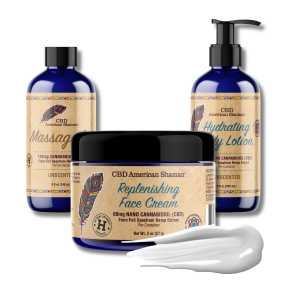
Yes, you can legally buy and sell CBD in many jurisdictions when products and businesses comply with applicable regulations. Legal sales depend on requirements involving licensing, labeling, and permitted THC content. Regulations vary by jurisdiction, meaning a product approved for sale in one region may face restrictions elsewhere. Reputable retailers prioritize compliance and transparency by providing product testing information and labeling details. Consumers seeking a trusted source can browse CBD American Shaman for compliant products derived from low-THC cannabis.
Is CBD Oil Legal to Buy Online?
Yes, CBD oil is legal to buy online in numerous places, provided the product meets applicable regulations. CBD oil gets purchased online regularly where local law permits its sale. Online retailers continue following the same THC limits and labeling requirements that apply to in-person sales. Shipping restrictions occasionally apply depending on the buyer’s location, since select states or countries restrict CBD shipments regardless of online availability. Buyers benefit from verifying local regulations before ordering, confirming that receiving a CBD shipment does not violate regional law. Checking a retailer’s lab testing documentation offers additional confidence before completing an online purchase.
Are CBD Products Legal?
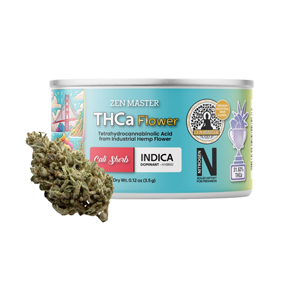
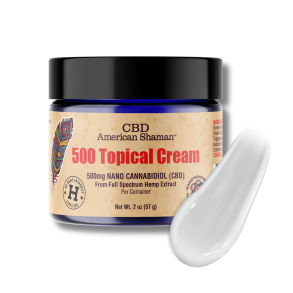
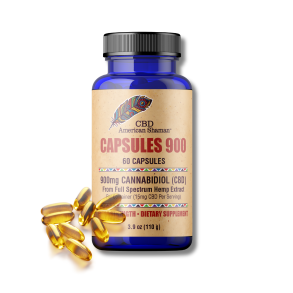
Yes, numerous CBD products are legal, provided the products meet local THC limits and applicable manufacturing standards. CBD products are legal in numerous places once they satisfy defined legal requirements. THC content regularly determines legality, since products exceeding legal thresholds fall under stricter higher-THC cannabis regulations. Product type influences legal status too, since select regions restrict specific formulations, including smokable low-THC cannabis flower or high-concentration extracts. Regulations differ meaningfully by country and region, making local verification a necessary step before purchase. A full selection of compliantCBD Productsremains available through licensed retailers offering lab-tested options.
How do CBD Laws Differ Around the World?
CBD laws differ substantially from one country to another, reflecting varying levels of caution toward cannabis derived compounds. Select countries permit over-the-counter CBD sales through minimal restrictions, treating products derived from low-THC cannabis similarly to conventional wellness goods. Other nations classify CBD alongside higher-THC cannabis under strict narcotics law, prohibiting sale, possession, and use entirely regardless of THC content. European countries regularly regulate CBD extracts as novel foods, requiring formal authorization before products reach store shelves. Asian countries commonly rank among the regions upholding the strictest cannabis related laws globally, offering limited or no legal pathway for CBD products. Travelers and international buyers benefit from researching destination-specific regulations well before attempting to purchase, possess, or transport CBD across borders.
Where is CBD Legal?
CBD is legal in numerous countries, though legal requirements vary from one jurisdiction to another. Countries across North America and Europe permit CBD products derived from low-THC cannabis when products meet established THC limits and manufacturing standards. Legal status often depends on THC concentration, product classification, and whether the compound comes from low-THC or higher-THC cannabis plants. Some countries classify CBD as a food supplement, while others regulate it as a pharmaceutical or cosmetic ingredient based on intended use. Certain regions provide no clear legal pathway for CBD and continue treating it as a controlled substance. Verifying local laws remains necessary before buying, possessing, or using CBD in a specific destination.
Is CBD Illegal in Some Countries?
Yes, CBD is illegal in some countries and heavily restricted in others, regardless of how the compound was sourced or extracted. Legal status varies by country, with restrictions often based on THC content, national drug classifications, and broader cannabis policies. Countries with strict narcotics laws frequently treat CBD the same as higher-THC cannabis, despite its non-intoxicating profile. Unauthorized possession can result in penalties in certain regions, ranging from fines to more serious legal consequences depending on local law. Confirming legal status before travel helps avoid unintended violations tied to unfamiliar regulations.
Is CBD Legal in the Philippines?
No, CBD is not broadly legal in the Philippines. CBD legality in the Philippines remains highly restricted under current national law. Cannabis and the majority of cannabis-derived products, including CBD, remain regulated under the country’s dangerous drugs legislation. Limited medical access exists solely through specific government-approved pathways, commonly requiring formal authorization rather than open retail purchase. Ordinary consumers cannot legally buy CBD products through standard retail channels within the country. Reviewing current Philippine Food and Drug Administration and Dangerous Drugs Board guidance offers the most accurate picture of any narrow legal exceptions.
Is Weed Legal in the Philippines?
No, weed is not legal in the Philippines. Possession, sale, cultivation, and use remain prohibited outside narrowly defined medical or research exceptions requiring government authorization. Violations carry serious legal penalties, since Philippine drug law treats cannabis offenses more strictly than numerous other jurisdictions. Enforcement remains strict, offering limited tolerance for personal possession regardless of quantity. Travelers and residents alike need to treat higher-THC cannabis as fully illegal without specific legal authorization.
Is CBD Oil Legal in the Philippines?
No, CBD oil is not broadly legal in the Philippines. CBD oil remains subject to the broader restrictions placed on cannabis-derived products under Philippine law. Access remains highly restricted, since standard retail sale falls outside current legal pathways. Consumers interested in CBD oil need to follow current government requirements closely, since unauthorized possession carries legal consequences. Limited exceptions exist through approved medical channels, though those exceptions remain narrow and tightly controlled. Readers located in regions where CBD oil is legally available can review 20 Benefits of CBD Oil for additional product information.
Can you Travel With CBD Legally?
Yes, you can travel with CBD legally when the product is legal in both the departure and destination jurisdictions. Legal travel depends on the laws governing each location involved in the trip. Airline policies add another consideration, since carriers occasionally impose restrictions beyond government requirements. Domestic travel may require reviewing state or regional rules, while international travel often involves stricter customs enforcement. Confirming regulations before departure remains the most reliable way to avoid complications.
Can you Carry CBD Across State or International Borders?
Yes, you can carry CBD across state or international borders when the product is legal in each jurisdiction involved. International travel often involves stricter requirements than domestic travel, since customs agencies enforce national drug laws independently. Documentation, including laboratory test results, may help demonstrate compliance with THC limits during border inspections. Some countries prohibit CBD entirely regardless of legality elsewhere. Verifying local laws before travel remains the safest approach.
How does the FDA Regulate CBD Products?
The FDA regulates CBD products through a combination of existing drug, food, and dietary supplement law, though the agency’s framework for cannabidiol specifically remains limited. One prescription drug containing purified CBD has received formal FDA approval for a specific medical use, while the majority of other CBD products have not gone through the same approval process. Federal law currently prevents CBD from being added to food, beverages, or marketed as a dietary supplement without additional FDA authorization, despite widespread availability of such products in retail markets. The agency continues monitoring CBD products for accurate labeling, contaminant levels, and unsubstantiated marketing claims made by manufacturers. Enforcement actions have historically focused on companies making unapproved health related claims about their CBD products rather than targeting CBD derived from low-THC cannabis broadly. Ongoing regulatory discussions continue exploring potential pathways for CBD within existing food and supplement frameworks, though no comprehensive federal rule has been finalized. Consumers benefit from reviewing current FDA guidance and consulting product lab reports before purchasing CBD items marketed for wellness use.