






Hemp is a variety of Cannabis sativa cultivated primarily for fiber, seeds, oil, and cannabinoids rather than for psychoactive use. The plant naturally contains compounds including cannabidiol (CBD), tetrahydrocannabinol (THC), terpenes, flavonoids, and fatty acids, each contributing to its overall chemical profile. Hemp-derived CBD serves as an ingredient across various product categories, including oils, capsules, edibles, topicals, and beverages. Legal classification generally depends on THC concentration, distinguishing hemp from other cannabis varieties grown for higher THC content.
What Makes Hemp Different From Other Cannabis Plants?
Hemp differs from other cannabis plants primarily through cultivation specifically for low THC content compared with marijuana varieties. Hemp belongs to the Cannabis sativa species, though growers select and breed specific strains to minimize psychoactive compound levels. Marijuana varieties, by contrast, undergo cultivation aimed at maximizing THC content for its psychoactive properties. Hemp is commonly grown for fiber, seeds, oil, and cannabinoids such as CBD, reflecting its broad agricultural and industrial applications. Legal classification often depends on THC concentration, with regulations typically establishing a specific threshold distinguishing hemp from other cannabis varieties. Different jurisdictions may apply slightly different THC thresholds, affecting how hemp is legally defined across regions. Understanding the distinction helps consumers and cultivators recognize why hemp occupies a separate legal and agricultural category from other cannabis plants.
How is Hemp Classified Within the Cannabis Family?
Hemp is classified as Cannabis sativa, a specific species within the broader Cannabaceae plant family. Botanists group hemp alongside other cannabis varieties based on shared physical and genetic characteristics, despite differences in cannabinoid content. Hemp and marijuana represent commonly used terms describing cannabis plants grown for different purposes and with different cannabinoid profiles. Marijuana typically refers to varieties cultivated for higher THC content, while hemp refers to varieties maintaining low THC levels. Botanical classification does not always align precisely with legal definitions, since regulations often rely on measurable THC thresholds rather than genetic distinctions alone. Cultivators and researchers may use slightly different classification systems depending on scientific, legal, or agricultural context. Recognizing both botanical and legal classification helps clarify hemp’s specific place within the broader cannabis family.
Is Hemp Considered a Cannabis Plant?
Yes, hemp is considered a cannabis plant, specifically classified within the Cannabis sativa species. Hemp is primarily associated with low-THC cannabis cultivated for industrial and agricultural purposes rather than psychoactive use. The term hemp generally distinguishes these plants from cannabis varieties cultivated specifically for higher THC levels. Both hemp and higher THC cannabis varieties share the same general species classification despite their different cultivation goals. Legal definitions typically separate hemp from other cannabis based on measurable THC concentration rather than species alone. Cultivators select specific hemp strains bred to maintain low THC while supporting other applications, including fiber, seed, and cannabinoid production. Recognizing hemp as a cannabis plant helps clarify its botanical origin while distinguishing its specific cultivation purpose.
Which Parts of the Hemp Plant Contain CBD?
The parts of the hemp plant that contain CBD are listed below.
- Flowers: Hemp flowers usually contain the highest concentrations of CBD compared with other plant parts. Concentrated resin within the flower structure holds the majority of the plant’s cannabinoid content. Manufacturers typically prioritize flower material when extracting CBD for commercial products.
- Leaves: Hemp leaves may contain CBD, though generally in lower concentrations compared with the flowers. Leaves located closer to the flowering structures tend to carry slightly higher cannabinoid content than lower leaves. Some extraction processes incorporate leaf material alongside flowers to increase overall yield.
- Trichomes: Trichomes represent small, resin-producing structures found predominantly on hemp flowers and nearby plant surfaces. Cannabinoids, including CBD, concentrate specifically within these resin glands rather than throughout the entire plant. Trichome density and cannabinoid content vary considerably between different hemp varieties.
- Seeds: Hemp seeds naturally contain little to no CBD compared with other plant parts. Seeds primarily provide nutritional value through fatty acids, protein, and fiber rather than cannabinoid content. Products derived from hemp seeds, including seed oil, typically remain separate from CBD extraction processes.
Where Is CBD Found in a Hemp Plant?
CBD is found mainly within the resin produced by trichomes located on hemp flowers and surrounding plant material. Trichomes represent small, specialized structures responsible for producing and storing cannabinoids, including CBD, throughout the plant’s growth. Hemp flowers therefore represent a major source of CBD for commercial extraction, given their higher trichome density. Concentration varies considerably among different hemp varieties, influenced heavily by genetics and specific cultivation practices. Growing conditions, including climate, soil quality, and light exposure, can further influence how much CBD a given plant ultimately produces. Manufacturers typically prioritize flower material during extraction due to its comparatively higher cannabinoid concentration. Understanding where CBD concentrates within the plant helps clarify why flower material remains central to commercial CBD production.
Does Hemp Flower Contain CBD?
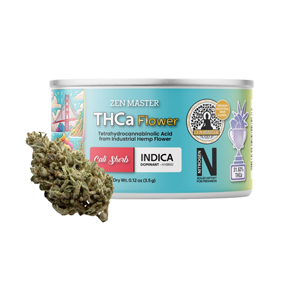
Yes, hemp flowers can contain significant amounts of CBD depending on variety and cultivation conditions. Flowers contain cannabinoid rich trichomes where CBD undergoes production and storage throughout the plant’s growth cycle. CBD content varies considerably depending on the specific hemp cultivar selected for cultivation. Growing conditions, including climate, soil composition, and harvest timing, can further influence final cannabinoid concentration. Manufacturers typically test flower material to confirm actual CBD content before proceeding with extraction. Higher CBD concentrations within flower material generally support more efficient extraction and processing. Reviewing lab reports helps confirm the specific CBD content present within a given hemp flower batch.
How does Hemp Produce CBD?
Hemp produces CBD through biochemical pathways occurring specifically within trichomes located on the plant’s flowers. These pathways convert precursor compounds, including cannabigerolic acid, into various cannabinoids, including CBD, through natural enzymatic processes. Genetic factors strongly influence how much CBD a given hemp plant ultimately produces, since different strains carry different enzymatic capabilities. Cultivators select specific hemp varieties bred to maximize CBD production while maintaining compliant THC levels. Cultivation conditions, including climate, soil quality, and light exposure, can further affect the plant’s final cannabinoid profile. Harvest timing also plays a role, since cannabinoid concentration typically changes throughout the plant’s growth and maturation cycle. Understanding the extraction process helps clarify why genetics and cultivation practices both influence final cannabinoid content.
What Compounds are Naturally Found in Hemp?
The compounds naturally found in hemp are listed below.
- CBD: A nonintoxicating cannabinoid found throughout hemp flowers and surrounding plant material. The compound does not produce the psychoactive effects associated with tetrahydrocannabinol.
- THC: A psychoactive cannabinoid present in hemp at low levels. Federal regulations require hemp to maintain THC levels below a specific established threshold.
- Terpenes: Aromatic compounds that contribute to the plant’s scent and chemical profile. Different hemp varieties produce distinct terpene combinations, influencing overall sensory characteristics.
- Flavonoids: Plant compounds with antioxidant and other biological properties. These compounds appear throughout many plant species, contributing to coloration and other characteristics.
- Fatty Acids: Abundant in hemp seeds and hemp seed oil. These compounds provide notable nutritional value within various food and personal care products.
1. CBD
CBD interacts with the body’s endocannabinoid system through specific receptor pathways. Consumers select CBD products across oils, capsules, edibles, and topicals depending on personal preference and desired delivery method. Concentration varies considerably between products, making label review important before selecting Cannabidiol (CBD) formulations.
2. THC
THC differs from CBD primarily through its strong binding affinity for CB1 receptors, producing the psychoactive effects associated with cannabis. Consumers concerned about THC exposure can select broad-spectrum or isolate products formulated to minimize or eliminate the compound. Trace Tetrahydrocannabinol (THC) amounts may still appear within full-spectrum formulations depending on manufacturing practices.
3. Terpenes
Terpene profiles vary considerably between hemp strains, influencing the characteristic aroma and flavor associated with specific cultivars. Terpenes also appear throughout common plants, including citrus fruits, lavender, and pine, contributing to familiar scents beyond cannabis. Reviewing cannabis terpenes provides additional detail regarding specific terpene types present within hemp.
4. Flavonoids
Flavonoids may interact alongside cannabinoids within the plant’s overall chemical composition, according to ongoing research. Hemp represents just one of many plant sources containing naturally occurring flavonoid compounds. Scientists continue studying flavonoids’ potential role within the broader hemp-related research landscape.
5. Fatty Acids
Fatty acids within hemp seed oil appear in a favorable ratio valued within general dietary contexts. Cold pressing represents a common method manufacturers use to extract oil while preserving nutrient content. Omega-3 and omega-6 fatty acids represent two of the most notable types found within hemp seed oil.
What is Hemp Used For?
Hemp is used to produce fiber, food ingredients, seed oil, textiles, building materials, and cannabinoid products across various industries. Different plant parts, including seeds, stalks, and flowers, undergo processing for distinct applications depending on desired end use. Fiber derived from hemp stalks supports textile, rope, paper, and composite material production across multiple industries. Seeds and seed oil provide nutritional ingredients used within food products, cosmetics, and personal care items. Flowers, containing higher cannabinoid concentrations, undergo extraction specifically for CBD and other cannabinoid based products. The plant’s versatility positions hemp as a broadly useful agricultural crop extending well beyond its role as a CBD source. Understanding hemp’s range of applications helps clarify why the plant holds significant value across multiple industries.
What are the Main Uses of Hemp?
The main uses of hemp are listed below.
- Fiber: Hemp fiber supports production across textiles, rope, paper, and composite materials within various industries. Processing separates fiber from the plant’s stalk before further manufacturing into finished products. Fiber-based hemp products often appeal to industries seeking durable, renewable material sources.
- Seeds: Hemp seeds serve as a food ingredient and source of plant-based nutrients within various diets. Seeds provide protein, fiber, and healthy fats suitable for direct consumption or further processing. Whole hemp seeds and hemp hearts both appear within food products marketed for general nutrition.
- Seed Oil: Hemp seed oil finds use within food products, cosmetics, and personal care items across multiple industries. The oil provides fatty acids and other nutrients valued within both dietary and topical applications. Manufacturers press hemp seeds to extract oil suitable for diverse product formulations.
- CBD: Cannabinoid rich hemp varieties undergo extraction specifically to produce CBD for various wellness products. Flowers, containing the highest cannabinoid concentration, typically serve as the primary source material for extraction. CBD represents one of many valuable compounds obtainable from the hemp plant.
- Building Materials: Hemp fibers can be incorporated into building products, including hempcrete, valued for insulation and sustainability. Hempcrete combines hemp fiber with lime-based binders to create a lightweight, durable building material. Construction applications represent a growing area of interest within sustainable building practices.
Can Hemp be Used for Products Other Than CBD?
Yes, hemp is used for many products that do not contain CBD at all. Hemp seeds, fiber, and stalks support applications across food, textiles, paper, and construction industries. Seeds provide nutritional ingredients used within various food products and personal care formulations. Fiber derived from hemp stalks supports textile and paper production across multiple manufacturing sectors. Building materials, including hempcrete, represent another significant application extending beyond cannabinoid extraction. CBD represents only one category of products derived from the broader hemp plant. Recognizing hemp’s diverse applications helps clarify its value as a versatile agricultural crop beyond cannabinoid production.
How is Hemp Used to Make CBD?
CBD is typically made by extracting cannabinoid rich material from hemp flowers and processing the extract into a purified or formulated ingredient. Extraction separates cannabinoids and other plant compounds from surrounding plant material using various technical methods. Manufacturers select flower material specifically due to its comparatively higher cannabinoid concentration compared with other plant parts. Further purification steps can produce different CBD extract types, including isolate, broad spectrum, and full spectrum formulations. Each extract type retains a different combination of cannabinoids and plant compounds depending on the specific purification process used. Quality control testing throughout production helps confirm cannabinoid content and overall product purity before distribution. Understanding the extraction process helps clarify how raw hemp material transforms into a finished, purified CBD ingredient.
How is CBD Extracted From Hemp?
CBD can be extracted from hemp using methods such as supercritical carbon dioxide extraction or various solvent-based techniques. Carbon dioxide extraction typically produces a cleaner extract with fewer residual solvents compared with certain alternative methods. Solvent based extraction offers a simpler, more affordable approach, though additional purification steps may become necessary afterward. The specific extraction method affects which cannabinoids and other plant compounds remain present within the finished extract. Extracted material may then undergo filtration, purification, or further processing before incorporation into finished products. Quality control testing throughout each processing stage helps confirm cannabinoid content and overall extract purity. Reviewing lab reports helps consumers understand which extraction method a manufacturer used for a specific product.
Can CBD be Made From Hemp Flower?
Yes, hemp flower represents a primary source material for commercial CBD extraction. Flower trichomes contain concentrated cannabinoids, including CBD, making flowers a preferred source for manufacturers. CBD rich flowers undergo processing to produce oils, extracts, and various other CBD based ingredients. Extraction methods, including carbon dioxide or solvent based techniques, separate cannabinoids from surrounding plant material. Further purification can then produce different extract types depending on desired final cannabinoid composition. Manufacturers typically test flower material beforehand to confirm cannabinoid content prior to extraction. Reviewing lab reports helps confirm the specific cannabinoid profile present within any given hemp flower derived product.
What is the Difference Between Hemp and Marijuana for CBD?
Hemp and marijuana represent both cannabis plants, though hemp remains legally distinguished by its low THC content compared with marijuana. Marijuana generally refers to cannabis varieties bred specifically for higher THC levels rather than industrial or agricultural applications. Hemp is commonly used to produce CBD because certain varieties can contain substantial cannabidiol while remaining low in THC. Marijuana varieties may also contain CBD, though typically alongside significantly higher THC concentrations compared with hemp. Legal definitions and allowable THC thresholds can vary considerably by jurisdiction, affecting how each plant type gets classified. Reviewing the difference between hemp and marijuana helps clarify botanical and legal distinctions between the two plants. Understanding the difference helps clarify why hemp remains the preferred source for commercially available CBD products.
Why Is Hemp Commonly Used as a CBD Source?
Hemp is commonly used as a CBD source because certain varieties can produce high cannabidiol levels alongside relatively low THC content. Cultivators specifically breed hemp varieties to maximize CBCBD-richlant material suitable for commercial extraction. Extraction and processing methods then concentrate CBD for incorporation into various oils, capsules, edibles, and topical products. Legal status also plays a significant role, since hemp-derived CBD generally faces fewer regulatory restrictions compared with higher THC cannabis. Genetics, cultivation practices, and growing conditions together influence how much CBD a specific hemp variety ultimately produces. Manufacturers rely on testing to confirm cannabinoid content before proceeding with commercial extraction and product formulation. Understanding these factors helps clarify why hemp remains the primary agricultural source for commercially available CBD.
Is Hemp the Same as Marijuana?
No, hemp is not the same as marijuana, despite both originating from the same general cannabis species. Hemp maintains low THC content through specific cultivation and breeding practices, distinguishing it from marijuana varieties. Marijuana generally refers to cannabis bred specifically for higher THC concentrations and associated psychoactive effects. Legal definitions typically separate hemp from marijuana based on measurable THC concentration rather than species alone. Both plant types may contain CBD, though concentration and overall cannabinoid profile can differ significantly between them. Cultivation goals also differ substantially, since hemp supports diverse applications beyond cannabinoid production, including fiber and seed-based products. Recognizing the distinction helps clarify why hemp and marijuana occupy separate legal and agricultural categories despite shared botanical origin.
What Types of Hemp are Grown for CBD?
The types of hemp grown for CBD are listed below.
- CBD-Rich Hemp: Cultivators breed CBD-rich hemp varieties specifically to produce higher cannabidiol concentrations compared with standard hemp. These varieties typically undergo extensive testing to confirm consistent cannabinoid production across growing cycles. Manufacturers rely on CBD-rich hemp as primary source material for commercial extraction.
- Low THC Hemp: Growers select low THC hemp varieties specifically to maintain compliance with applicable legal THC thresholds. Consistent low THC content supports legal cultivation and distribution across various regulatory jurisdictions. Testing throughout growth helps confirm that THC levels remain within compliant limits.
- Cannabinoid Rich Varieties: Certain hemp varieties may produce CBD alongside additional cannabinoids and other naturally occurring plant compounds. These varieties support broader spectrum extraction, retaining a wider range of naturally occurring compounds. Manufacturers select specific varieties depending on desired final product composition.
How Are CBD Rich Hemp Plants Selected?
CBD-rich hemp plants are selected based on genetics, cannabinoid production capacity, growth characteristics, and ability to maintain compliant THC levels. Cultivators test candidate plants to determine actual CBD and THC concentrations before selecting specific genetic lines for cultivation. Growth characteristics, including yield potential and resistance to pests or disease, also factor into selection decisions. Consistent genetics support more predictable cannabinoid profiles across successive growing cycles compared with less controlled breeding practices. Cultivation practices, including soil quality, climate, and harvest timing, further influence final cannabinoid concentration within selected plants. Ongoing testing throughout the growing cycle helps confirm that selected plants continue meeting cannabinoid and compliance targets. Understanding the selection process helps clarify why certain hemp varieties consistently produce higher CBD concentrations than others.
Can Hemp Varieties Produce Different CBD Levels?
Yes, different hemp varieties can produce meaningfully different levels of CBD depending on genetics and cultivation practices. Genetics represents a major factor influencing cannabinoid production, since different strains carry different enzymatic capabilities. Growing conditions, including climate, soil quality, and light exposure, can also influence final cannabinoid concentration. Harvesting timing plays an additional role, since cannabinoid levels typically change throughout the plant’s growth and maturation cycle. The variation affects both potency and overall composition of hemp derived CBD products available for purchase. Manufacturers rely on testing to confirm actual cannabinoid content before incorporating hemp material into finished products. Reviewing lab reports helps consumers understand cannabinoid variation across different hemp derived product options.
What Hemp Products can be Made With CBD?
The hemp products that can be made with CBD are listed below.
- CBD Oils: Liquid CBD products designed for oral or other labeled uses. Consumers can adjust dosing through a marked dropper for measured intake.
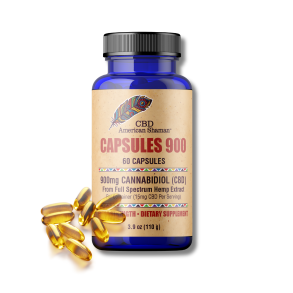
- Capsules: Premeasured CBD formulations enclosed within a standardized format. Consistent dosing makes capsules a convenient option for daily routines.
- Edibles: Products such as gummies and other ingestible formulations. Each piece typically contains a fixed cannabidiol amount for predictable servings.
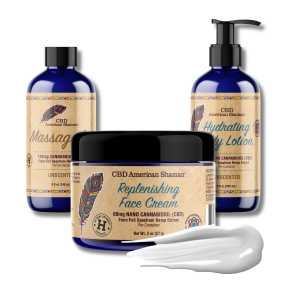
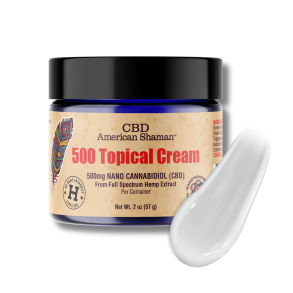
- Topicals: Creams, lotions, and balms designed for application to the skin. These formulations allow targeted, localized use rather than ingestion.
- Beverages: Drinks formulated with hemp-derived CBD. Manufacturers incorporate cannabidiol into various flavored drink options.
1. CBD Oils
CBD oils combine cannabidiol extract with a carrier oil, such as coconut or hemp seed oil, to create a stable, measurable formulation. Various concentrations suit individual preference depending on desired strength and daily routine. Reviewing product labeling helps confirm actual cannabidiol content before selecting a specific option from CBD Oils.
2. Capsules
Capsules provide a convenient, tasteless option for individuals preferring to avoid the flavor associated with oils. Various concentrations accommodate individual preference depending on desired strength and routine. Absorption may differ slightly compared with liquid formats, since capsules require digestion before cannabidiol enters the bloodstream. A selection is available through Shop CBD Capsules.
3. Edibles
Flavoring and sweeteners included within edible formulations help mask the natural taste associated with hemp-derived extracts. Consistency between pieces makes edibles a popular choice for consumers preferring straightforward, repeatable dosing. A range of flavored, ingestible options remains available through Shop CBD Edibles.
4. Topicals
Absorption through the skin differs significantly from oral methods, since topical application primarily affects localized tissue. Formulations vary considerably in cannabidiol concentration and additional ingredients, including essential oils or menthol. Consumers seeking targeted, localized use can buy CBD topicals online in various available formulations.
5. Beverages
Manufacturers incorporate cannabidiol into various beverage formulations, including flavored waters and other drink products. Beverage-based CBD products continue expanding as an emerging category within the broader hemp-derived market. Absorption rate may differ compared with oils or capsules, depending on formulation and serving size.