






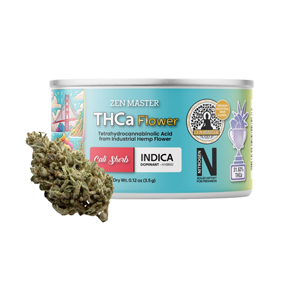
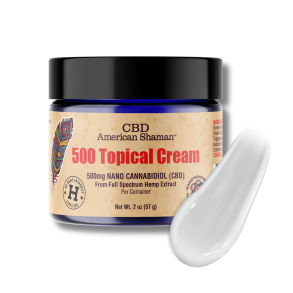
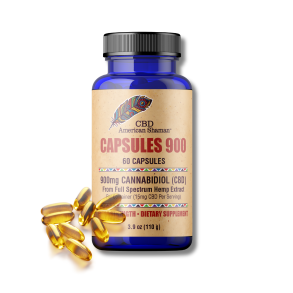

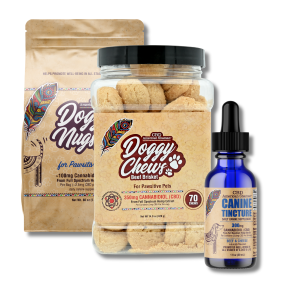
Yes, you can be sensitive to CBD. Cannabidiol (CBD) is a non-psychoactive compound derived from the cannabis plant, used in various products (oils, topicals, edibles, and capsules). CBD is used for its potential benefits, including promoting comfort and well-being. An allergic reaction occurs when the immune system mistakenly identifies CBD or other ingredients in the product as harmful. CBD sensitivity is possible and can manifest as symptoms (CBD allergy rash, itching, swelling, or breathing difficulties), while CBD sensitivities are rare. The reactions are triggered by other ingredients in the product (carrier oils, terpenes, preservatives, or flavoring agents), rather than cannabidiol itself. Allergy to CBD oil symptoms may vary depending on the product and its ingredients. Hemp allergy is another consideration, as consumers sensitive to hemp may experience similar symptoms when exposed to CBD products. Recognizing signs of an allergic reaction is essential for consumers to avoid further exposure and seek appropriate medical advice if needed. Understanding CBD allergy helps ensure safe use of CBD products.
What are the Types of Allergic Reaction in CBD Oil?
The types of allergic reactions in CBD oil are listed below.- Skin Reactions: Skin reactions can occur when the immune system responds to ingredients in topical or ingestible cannabidiol (CBD) oil. Symptoms may include redness, itching, hives, or dry, irritated skin. Common triggers include ingredients like coconut oil, grapeseed oil, synthetic fragrances, preservatives, and colorants.
- Respiratory Reactions: Respiratory reactions may develop after inhaling vapors, smoke, or terpenes found in CBD products. Symptoms include sneezing, coughing, or nasal congestion. Naturally occurring compounds such as pinene or limonene act as airborne triggers. Reactions are most reported with vaping or scented oil use and may resemble general respiratory sensitivities.
- Digestive Reactions: Digestive reactions may arise after ingesting CBD oil that includes allergenic ingredients. Symptoms include stomach discomfort, bloating, or queasiness. Common ingredients that contribute to the effects include almond oil, sesame oil, soy-based emulsifiers, or gluten introduced during processing.
- Systemic Reactions: Systemic reactions involve a full-body immune response and are considered rare but serious. Symptoms include facial puffiness, feeling faint, or trouble breathing. The reactions are linked to hidden allergens in complex CBD oil formulations, such as botanical proteins, ethanol bases, or synthetic additives.
Is It Possible To Have An Allergy To CBD?
Yes, it is possible for some consumers to experience an allergic-type response to CBD. The immune system may interpret cannabidiol as an irritant, which could lead to symptoms such as hives, swelling, or difficulty breathing. The type of reaction is considered an immune-mediated response. Allergy to CBD is rare, but isolated reports have been documented that CBD use can cause skin sensitivity, according to research titled “Contact Dermatitis Associated with Cannabidiol Use” by Dr. Erica L. Fortner in 2021. Sensitivities associated with CBD oil are linked to other components in the formulation, such as terpenes, food-derived oils, synthetic preservatives, or residual plant compounds. Scientific findings, including research in Frontiers in Allergy, suggest that allergic responses involving cannabis result from lipid transfer proteins or environmental contaminants rather than cannabinoids themselves, according to research titled “Cannabis sativa: A comprehensive overview of a botanical plant with a focus on allergy” by Dr. Liat Lerner-Baron in 2021. Products using CBD isolate may be less inclined to trigger allergic responses compared to full-spectrum varieties, which contain a broader range of plant-derived substances. A healthcare provider may recommend patch testing or a review of the product’s full ingredient list to assess whether a reaction is due to CBD or another ingredient.What happens if I’m allergic to CBD?
The immune system may interpret it as a potential irritant if you’re sensitive to CBD, leading to an immune reaction. Responses can occur shortly after exposure or take a few hours, depending on how the product is used and the amount involved. Mild reactions may include localized itching, skin irritation, or nasal stuffiness. Noticeable responses could involve hives, facial or lip puffiness, or digestive discomfort like queasiness or stomach pain. Rare but strong reactions include breathing difficulty, dizziness, or a severe allergic response requiring prompt attention. Reports have noted cases such as skin irritation following topical CBD use, including findings from the 2021 study “Contact Dermatitis Associated with Cannabidiol Use” by Dr. Erica L. Fortner. Research published in Frontiers in Allergy highlights that terpenes, lipid transfer proteins, and contaminants are the actual triggers behind cannabis-related sensitivities. The product must be discontinued immediately if an allergy is suspected. The affected area can be gently washed with mild soap and water for topical exposure. Consulting a healthcare provider is recommended for evaluation and potential allergy testing. Providing a list of the product’s ingredients may help identify the source of the reaction.What are the CBD Allergy Symptoms?
The CBD allergy symptoms are listed below.- Skin Symptoms: Skin Symptoms may include itching, redness, hives, or dry, irritated patches. Symptoms appear after applying CBD creams or balms and can stay localized or spread if use continues. Some persons may become sensitized over time, leading to delayed reactions.
- Respiratory Symptoms: Respiratory Symptoms include sneezing, wheezing, coughing, nasal congestion, or difficulty breathing. CBD products that are vaporized or inhaled are more prone to cause such effects due to the presence of terpenes or aromatic compounds, which may act as airborne triggers. Responses may happen quickly in persons with known respiratory sensitivities.
- Gastrointestinal Symptoms: Gastrointestinal Symptoms include queasiness, abdominal discomfort, bloating, or changes in digestion. Allergies result from ingesting CBD oils or edibles that contain allergens such as carrier oils or flavoring agents. Symptoms may develop after a single use or build up gradually with continued intake.
- Systemic Symptoms: Systemic Symptoms may involve dizziness, facial puffiness, light-headedness, or difficulty breathing. The symptoms may reflect broader immune sensitivity and are more linked to long-term exposure to multi-compound products.
- Delayed Symptoms: Delayed Symptoms can emerge after extended or repeated use. Common indicators include skin reactivity, low-grade inflammation, or general fatigue. A gradual immune sensitization may contribute to such responses, which may benefit from professional consultation.