






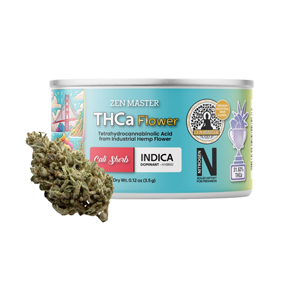

Smoking CBD delivers cannabinoids into the bloodstream through lung absorption, bypassing the digestive system entirely. Benefits associated with the method center around faster onset speed, often noticeable within minutes of inhalation compared to oral consumption routes. Lung tissue contains a large surface area lined with blood vessels, allowing cannabinoids to enter circulation quickly after each inhale. Effects vary depending on product form (hemp flower, pre-rolls, or CBD-infused cigarettes), each offering a slightly different smoking experience and onset pattern. Vaporizers and dab products serve as alternative inhalation methods, heating cannabinoid rich material without full combustion. Side effects tied to smoking CBD may include throat irritation or coughing, particularly among consumers unfamiliar with inhalation methods. Reviewing available product forms and absorption speed helps consumers select a smoking method suited to personal preferences and daily routines.
What is Smoking CBD?
Smoking CBD is the inhalation of cannabidiol from hemp-derived products, achieved through combustion of dried plant material. The inhalation method delivers CBD through the lungs, allowing rapid absorption directly into the bloodstream. Lung tissue provides a large surface area for cannabinoids to enter circulation, creating a faster onset compared to oral methods. Smoking represents one method of using CBD, alongside tinctures, capsules, and topical applications available across the market. Product forms suited for smoking include hemp flower, pre-rolls, and CBD-infused cigarettes, each offering a similar inhalation process for consumers. Consumers choosing smoking as a method prioritize speed of onset over the longer-lasting effects tied to oral consumption routes. Vaporizers and dab products also serve as alternative inhalation options, heating cannabinoid rich material without full combustion. Selecting a smokable product benefits from reviewing lab reports to confirm actual cannabinoid concentration before purchase.What is CBD?
CBD is a non-intoxicating cannabinoid that can be smoked using hemp flower, pre-rolls, or CBD cigarettes. Cannabidiol comes from the hemp plant and does not produce the psychoactive effects associated with THC. Inhalation allows CBD to enter the bloodstream quickly, since lung tissue offers direct access to circulation without digestive processing. Smokable products contain varying amounts of CBD, with concentration depending on hemp strain and manufacturing method. Hemp flower offers a broader cannabinoid profile compared to isolate-based cigarettes formulated for a purer CBD experience. Consumers selecting a smokable product benefit from reviewing lab reports to confirm cannabinoid concentration before purchase.Can You Smoke CBD?
Yes, you can smoke CBD. Hemp flower and other smokable products (pre-rolls and CBD cigarettes) offer common options for consumers seeking an inhalation method. Reputable manufacturers remain an important consideration when selecting a smokable product, since quality varies significantly across brands and production standards. Third-party lab testing confirms cannabinoid concentration and rules out contaminants (pesticides and heavy metals) that may otherwise go undetected. Consumers reviewing certificates of analysis gain added confidence in a product’s actual composition before purchase. Checking batch-specific results ensures the testing applies directly to the product being considered.Is Smoking CBD Legal?
Legality depends heavily on regional regulations governing hemp-derived products and THC concentration limits. Federal law permits hemp-derived CBD products containing 0.3 percent THC or less by dry weight. State regulations vary considerably, with some regions imposing stricter restrictions on smokable hemp products specifically. Consumers researching Is CBD Legal? benefit from reviewing local laws before purchasing or transporting smokable CBD products across state lines. Checking product compliance with applicable thresholds remains an important step for consumers prioritizing legal use.How is CBD Absorbed When Smoked?
CBD is absorbed through the lungs when smoked, bypassing the digestive system entirely. Inhaled smoke carries cannabinoid particles directly into lung tissue, where a large surface area lined with blood vessels allows rapid absorption. Cannabinoids pass through thin lung membranes into circulation within minutes, creating one of the fastest absorption routes available for CBD consumption. Oral methods (tinctures and capsules) require digestion and liver processing before cannabinoids enter the bloodstream, adding significant delay compared to inhalation. Bioavailability through smoking generally ranks higher than oral methods, since cannabinoids avoid the breakdown that occurs during digestion. Onset speed makes smoking an appealing option for consumers seeking quicker effects compared to edibles or capsules. Absorption efficiency varies depending on inhalation technique, product quality, and lung capacity across different consumers. Consistent inhalation practices support more predictable absorption results over repeated use.What Happens When you Smoke CBD?
Cannabinoid particles enter the lungs when CBD is smoked, triggering rapid absorption almost immediately after inhalation. Cannabinoids cross into the bloodstream through lung tissue, reaching circulation faster compared to oral consumption methods. Effects become noticeable within minutes, distinguishing smoking from slower-acting methods (edibles and capsules) that require digestion. Throat and lung tissue may experience mild irritation from combustion byproducts, particularly among consumers unfamiliar with inhalation. Duration of effects tends to run shorter compared to oral methods, since cannabinoids are processed through the body more quickly after inhalation. Repeated exposure to smoke may also affect respiratory comfort over time.Can Smoking CBD Cause Intoxication?
No, smoking CBD does not cause intoxication under normal circumstances. Cannabidiol lacks the psychoactive properties associated with tetrahydrocannabinol, the compound responsible for producing a high. Hemp-derived CBD products contain minimal THC levels, remaining below thresholds capable of producing noticeable psychoactive effects. Trace THC amounts found in full-spectrum products rarely accumulate enough to alter perception or cognitive function. Broad-spectrum and isolate-based smokable products contain even lower THC concentrations, further reducing any intoxication risk. Consumers seeking a non-intoxicating experience benefit from selecting lab-tested products confirming THC content stays within legal limits.What Forms of CBD are Made for Smoking?
The forms of CBD made for smoking are listed below.- Hemp Flower: Hemp flower consists of dried, cured buds containing naturally occurring cannabinoids and terpenes. Consumers grind the flower before rolling or packing it into a pipe for inhalation.
- CBD Pre-Rolls: CBD pre-rolls come pre-rolled with ground hemp flower, offering convenience over hand rolling. Manufacturers often use hemp paper for the wrapping to maintain a fully plant-based product.
- CBD Cigarettes: CBD cigarettes resemble traditional cigarettes but contain hemp flower instead of tobacco. Filters included in the products help reduce inhaled plant material during use.
- CBD Blends: CBD blends combine hemp flower with other herbs (lavender or chamomile) for a customized smoking experience. Manufacturers formulate blends to adjust flavor profile and smoking sensation.
1. Hemp Flower
Hemp flower consists of dried, cured buds containing naturally occurring cannabinoids and terpenes suited for direct smoking. Growers cultivate specific hemp strains bred for higher CBD concentration paired with minimal THC content. Trichomes covering the flower surface contain the highest cannabinoid density found anywhere on the plant. Consumers grind the flower before rolling or packing it into a pipe for inhalation purposes. Flavor and aroma vary considerably between strains, influenced by terpene profiles unique to each cultivation batch. Third-party lab testing confirms cannabinoid concentration and screens for contaminants (pesticides and heavy metals) before distribution. Selecting quality Hemp Flower requires reviewing certificates of analysis matching the specific batch being purchased.2. CBD Pre-Rolls
CBD pre-rolls arrive ready to smoke, offering convenience over manually rolling ground hemp flower. Manufacturers use hemp paper for the wrapping to maintain a fully plant-based product. Ground hemp flower packed inside each pre-roll delivers a consistent cannabinoid experience across multiple uses. Consumers favor pre-rolls for portability, since no additional grinding or rolling equipment becomes necessary before use. Packaging often includes multiple pre-rolls per container, supporting repeated use across several smoking sessions. Quality varies between manufacturers, making third-party lab verification an important step before purchase. Reviewing batch-specific testing results confirms cannabinoid concentration matches product labeling accurately.3. CBD Cigarettes
CBD cigarettes resemble traditional cigarettes but contain hemp flower instead of tobacco leaf. Filters included in the products reduce inhaled plant material, offering a smoother smoking experience. Manufacturers format hemp material into a rolled cigarette shape for familiar handling among smokers. Nicotine remains absent from properly formulated hemp cigarettes, distinguishing the product from conventional tobacco options. Packaging includes multiple cigarettes per box, supporting repeated use across various sessions. Consumers seeking a tobacco alternative increasingly explore CBD Cigarettes as part of a broader shift toward hemp-derived smoking products. Reviewing lab testing results remains important for confirming cannabinoid content and purity before purchase.4. CBD Blends
Hemp flower combines with other herbs (lavender or chamomile) to create CBD blends offering a customized smoking experience. Manufacturers formulate blends to adjust flavor profile and smoking sensation for different consumer preferences. Botanical additions contribute distinct aromas and flavors beyond what hemp flower alone provides. Consumers seeking variety in taste and effect often gravitate toward blended smoking products over single-ingredient options. Cannabinoid concentration within blends depends on the ratio of hemp flower to other included botanicals. Reviewing ingredient lists helps consumers understand exactly what a given blend contains before purchase. Third-party lab testing confirms cannabinoid content remains accurate despite the inclusion of additional plant material.What are the Benefits of Smoking CBD?
The benefits of smoking CBD are listed below.- Fast Onset: Inhalation delivers cannabinoids into the bloodstream within minutes, faster than oral consumption methods. Consumers seeking quicker effects often favor smoking over tinctures or capsules requiring digestion.
- Precise Dosing: Smoking allows consumers to gauge effects gradually, pausing between inhalations to assess personal response. Adjusting intake becomes easier compared to edibles, where effects take longer to manifest fully.
- Full Spectrum Experience: Hemp flower retains a broad range of naturally occurring cannabinoids and terpenes throughout the smoking process. Consumers exploring the entourage effect often prefer flower over isolate-based products.
- No Additives Required: Smoking hemp flower involves minimal processing, avoiding carrier oils or additional ingredients found in other product types. Consumers seeking a simpler product often choose flower over formulated tinctures.
- Familiar Method: Smoking offers a familiar consumption method for consumers transitioning from tobacco or traditional cannabis products. Existing smoking habits make hemp flower an accessible entry point into CBD use.
What does Smoking CBD Do for the Body?
Smoking CBD delivers cannabidiol quickly into the bloodstream, allowing rapid distribution throughout the body. Cannabinoids interact with the endocannabinoid system, a network of receptors involved in regulating mood, appetite, and general balance throughout the body. Inhalation bypasses digestion entirely, sending cannabinoids directly from the lungs into circulation within minutes of use. Separate effects vary from person to person, depending on factors (body chemistry, dosage, and product concentration) unique to each consumer. Some consumers report a subtle sense of calm following inhalation, while others notice minimal change in daily function or mood. Endocannabinoid receptors distributed across the body respond differently depending on cannabinoid concentration and frequency of consumption over time. Repeated use may influence how the body responds over successive sessions, particularly among consumers new to inhalation methods.Can Smoking CBD Help You Relax?
Yes, smoking CBD can help you relax. Some people report feeling more relaxed after smoking CBD. Research suggests CBD may promote calm in some consumers, though results vary considerably across different studies. Cannabinoids interacting with the endocannabinoid system may contribute to a subjective sense of ease following inhalation. Responses vary, and CBD is not a guaranteed treatment for anxiety or any diagnosed condition. Consumers exploring relaxation benefits should approach smoking as one component within a broader wellness routine rather than a standalone solution.What are the Effects of Smoking CBD?
The effects of smoking CBD are listed below.- Relaxation: Consumers often describe feeling calmer shortly after inhaling CBD from smokable products (hemp flower or pre-rolls). Perceived calm may stem from cannabinoid interaction with receptors regulating mood and stress response throughout the nervous system.
- Reduced Tension: Physical tension throughout the body may ease following inhalation, according to consumer reports gathered across various smoking sessions. Muscles often feel less tight during moments of daily stress after smoking CBD, particularly following a demanding day.
- Mental Calmness: An improved sense of ease sometimes accompanies smoking CBD, particularly during stressful situations involving work or personal obligations. Mental clarity remains intact throughout the experience, distinguishing CBD use from psychoactive cannabis products containing higher THC concentrations.
- No Intoxication: Smoking CBD does not produce a THC-like high, since cannabidiol lacks the psychoactive properties associated with tetrahydrocannabinol. Consumers retain full cognitive function throughout the smoking experience, allowing continued participation in daily activities without impairment.
- Faster Onset Than Edibles: Effects from smoking appear within minutes, contrasting with the delayed onset associated with ingested CBD products. Consumers seeking quicker results during acute moments of stress often favor inhalation over oral consumption methods.
- Short Duration: Effects from smoking CBD tend to fade more quickly compared to oral methods, lasting a few hours rather than an extended period. Shorter duration allows consumers to adjust dosing frequency throughout the day based on consumer needs.
What Does Smoking CBD Feel Like?
Smoking CBD often feels calming without causing intoxication, since cannabidiol lacks the psychoactive properties associated with THC. Some consumers report reduced tension or increased relaxation shortly after inhaling hemp-derived smoke into the lungs. A mild sense of ease frequently accompanies the initial inhalation, gradually settling into a subtle background feeling throughout the following hour. Mental clarity remains intact during the experience, distinguishing CBD smoking from consuming higher THC cannabis products. The experience varies between consumers, influenced by factors (body chemistry, product potency, and consumption frequency) unique to each consumer. First-time consumers sometimes notice throat irritation or mild coughing, particularly when adjusting to inhalation as a new consumption method. Repeated sessions allow consumers to better understand their personal response pattern over time.Do the Effects of Smoking CBD Start Quickly?
Yes, the effects of smoking CBD start quickly, distinguishing inhalation from slower-acting oral consumption methods. Inhalation allows rapid absorption into the bloodstream, since lung tissue provides direct access to circulation without digestive processing. Cannabinoids bypass the liver entirely during initial absorption, avoiding delays associated with tinctures or edibles requiring digestion. Effects become noticeable within minutes of inhalation, making smoking a preferred option for consumers seeking immediate results. Duration tends to run shorter compared to oral methods, since cannabinoids are processed through the body more rapidly after inhalation. Consumers monitoring onset speed benefit from tracking personal response across repeated smoking sessions.What are the Side Effects of Smoking CBD?
The side effects of smoking CBD are listed below.- Dry Mouth: Reduced saliva production commonly follows CBD inhalation, leaving the mouth feeling parched shortly after smoking. Drinking water throughout the day helps counteract the effect for consumers experiencing noticeable discomfort.
- Drowsiness: Feeling sleepy sometimes accompanies smoking CBD, particularly at higher concentrations or during evening use. Consumers operating machinery or driving should account for potential drowsiness before smoking hemp-derived products.
- Dizziness: Mild lightheadedness occasionally occurs shortly after inhaling CBD, especially among first-time consumers adjusting to the method. Sitting down during initial use helps minimize discomfort while the body adjusts to inhalation.
- Coughing: Irritation from smoke frequently triggers coughing, particularly among consumers unfamiliar with inhaling plant material. Throat sensitivity varies between consumers, with some experiencing more pronounced irritation than others during each session.
- Fatigue: Reduced energy affects some consumers following CBD inhalation, creating a mellow, low-energy feeling afterward. Timing smoking sessions around periods of rest rather than demanding tasks helps accommodate the potential effect.