 Store
Locator
Store
Locator




 How to Use
 Ingredients
 Benefits
 Concentration and Potency
 Serving Size
 Review
Oil of Oregano Tincture Strain THC Level
The Oil of Oregano Tincture THC Level reflects a moderate THC range that supports a balanced experience. Oil of Oregano Tincture Strain presents a measured potency profile that aligns with balanced enjoyment. The cannabinoid profile stays consistent from start to finish and supports a clean progression of effects.
- THC Percentage: Specific THC percentages for Oil of Oregano Tincture are not provided.
- Type: The specific cannabis strain type (Sativa/Indica/Hybrid) used for Oil of Oregano Tincture is not detailed.
- Flavor Profile: Oil of Oregano Tincture is known for its strong, herbaceous, and slightly pungent flavor profile.
- Aroma: The aroma of Oil of Oregano Tincture is distinctly herbaceous and potent, characteristic of oregano.
- Recommended Use: Start with 1-2 droppers, 1-2 times per day, adjusting based on tolerance and health needs. It can be taken orally, either directly under the tongue for faster absorption or mixed into a drink, up to three times per day.
Oil of Oregano Tincture Strain Effects
Oil of Oregano Tincture Strain Effects are listed below.
-
Users may experience a sense of calm.
-
Some individuals report a mild uplifting sensation.
-
It is often associated with feelings of relaxation.
-
The tincture may contribute to a general sense of well-being.
-
Effects are typically subtle and can vary by individual.
-
Many find it suitable for evening use.
-
The Oil of Oregano Tincture strain effects are generally considered to be mild and supportive.
Oil of Oregano Tincture Strain Terpene Profile
Oil of Oregano Tincture Strain presents a terpene profile defined by pungent herbal layered with subtle spicy and earthy undertones. The combined terpene expression creates a clear sensory identity that defines Oil of Oregano Tincture Strain.
The Oil of Oregano Tincture Strain Terpene Profile is listed below.
- Carvacrol: A primary component, contributing to the distinct pungent and warm notes.
- Thymol: Offers a complementary herbaceous and slightly medicinal aroma.
- p-Cymene: Provides a subtle, earthy foundation to the overall profile.
Oil of Oregano Tincture Strain Growing Factors
Oil of Oregano Tincture Strain growing factors influence yield, resin, and overall quality. Proper regulation of temperature, humidity, and pH preserves flower quality and plant health.
A summary of the key growing factors for Oil of Oregano Tincture Strain is shown in the table below.
| Oil of Oregano Tincture Growing Factor | Description |
|---|---|
| Difficulty | Oil of Oregano Tincture is generally considered a moderately challenging plant to cultivate. |
| Flowering Time | The flowering time for Oil of Oregano Tincture typically falls within a standard range for its variety. |
| Yield | Yields for Oil of Oregano Tincture can vary based on growing conditions and cultivation techniques. |
| Climate | Oil of Oregano Tincture thrives in a controlled environment with stable temperature and humidity. |
Oil of Oregano Tincture Strain Aroma and Flavors
-
Aroma: Oil of Oregano Tincture releases a distinctive herbal and pungent aroma.
-
Flavor: Oil of Oregano Tincture delivers a strong, herbaceous, and slightly peppery flavor.
-
Overall Impression: Oil of Oregano Tincture presents a robust and characteristic herbal profile.
What is Oil of Oregano Tincture?
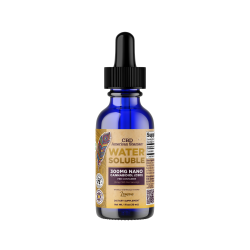
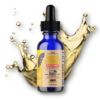
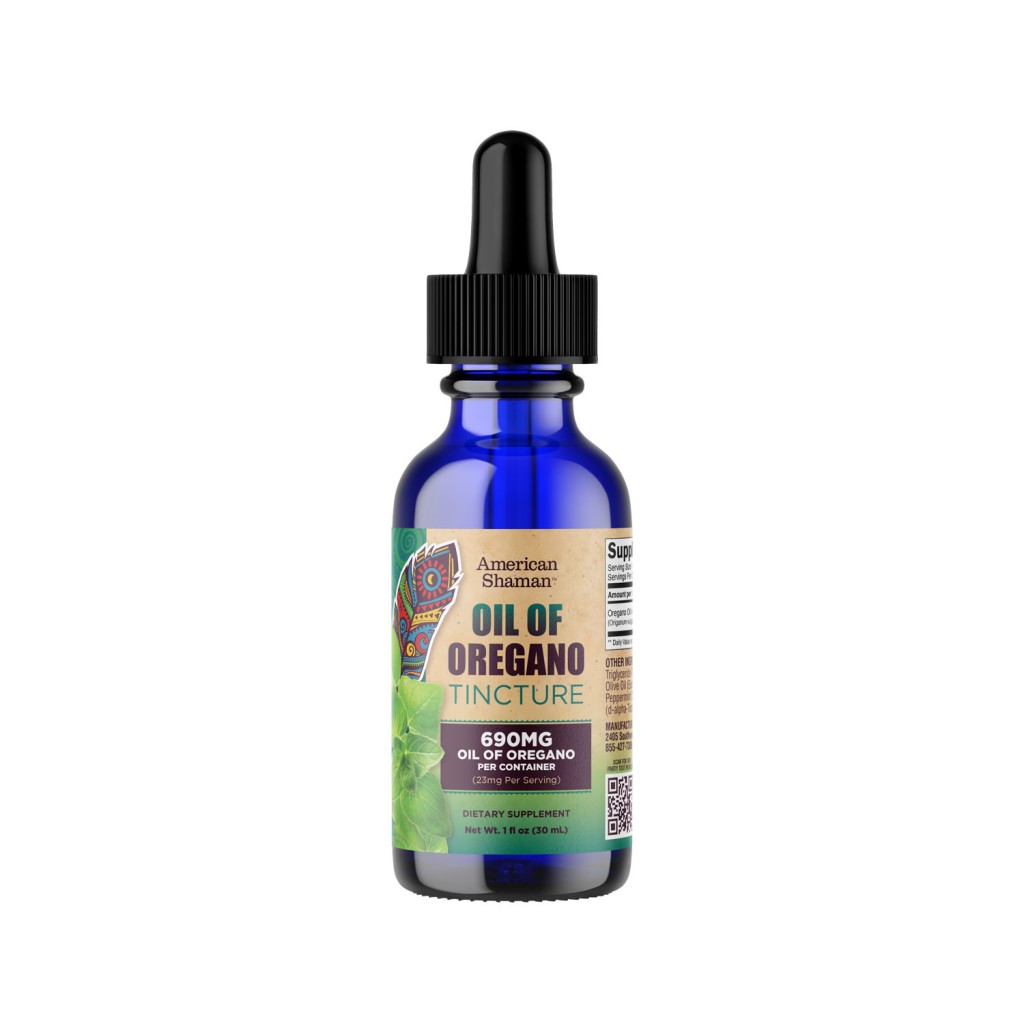
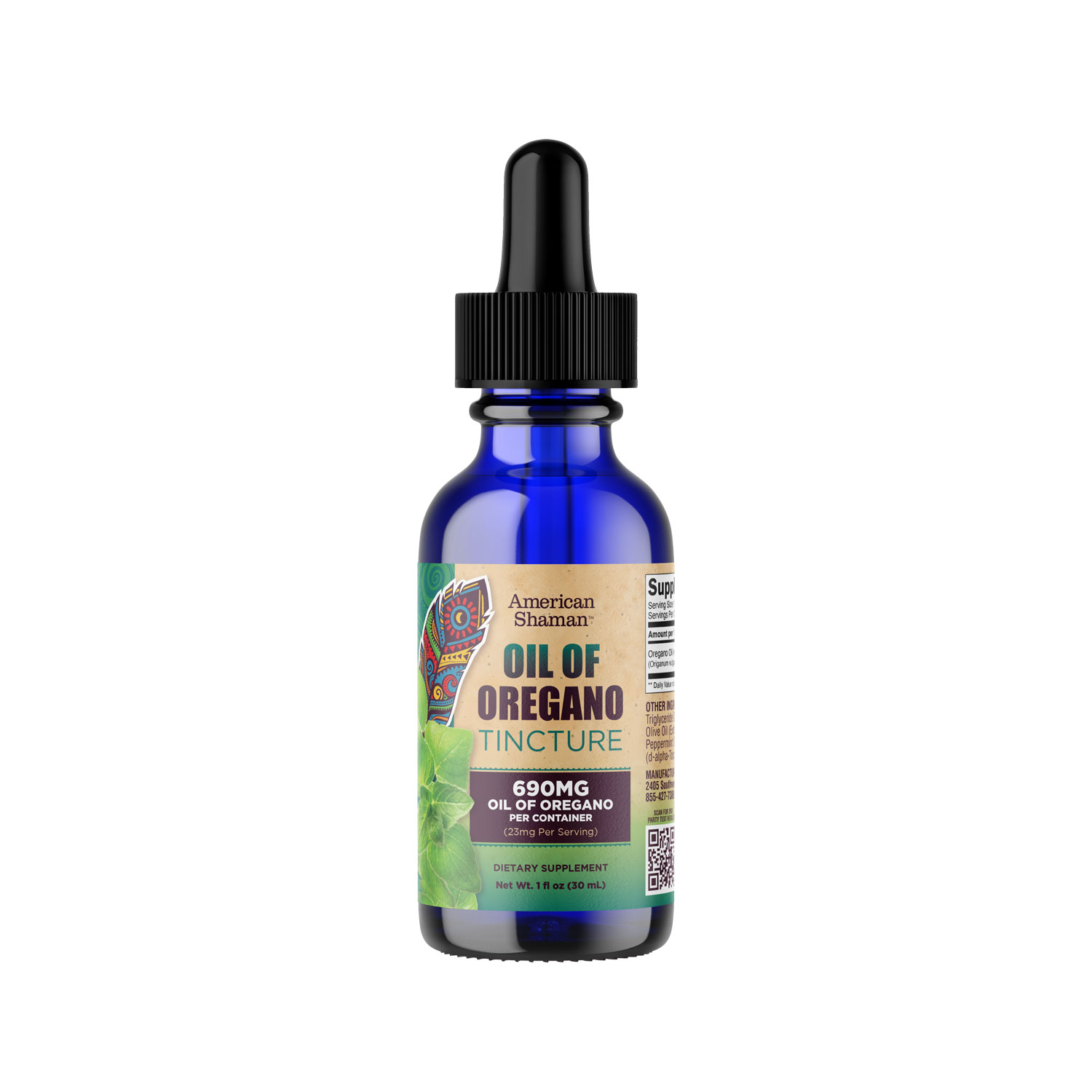
Oil of Oregano tincture is an herbal extract derived from the leaves of the oregano plant (Origanum vulgare). It is created by soaking dried oregano leaves in alcohol or another solvent to extract its active compounds, such as carvacrol. This tincture offers a convenient and concentrated option for customers looking to incorporate oregano's properties into their health routine. Each serving contains 23 mg of oregano. It is made in the USA and classified as an Herbal Tincture, intended for use as a Dietary Supplement. Key ingredients include Oregano Oil, MCT Oil, Olive Oil, Peppermint Oil, and Vitamin E Oil. The product weighs 1 fl oz (30mL) and provides 30 servings per container.
This tincture is available in Natural and Mint flavors. It is known for its potential to help maintain a healthy immune system and support overall well-being, reflecting oregano's long history of use in traditional medicine for various aspects of health, including promoting digestive health.
Potency Comparison
- Oil of Oregano Tincture N/A
User Experience: Oil of Oregano Tincture provides a concentrated option for those looking to support their immune system and overall well-being, offering a traditional herbal remedy in a convenient form.
What is the suggested Serving Size for Oil of Oregano Tincture?
The suggested serving size for Oil of Oregano tincture is 1-2 drops (approximately 1mL), taken 1-2 times per day. Adjust the serving size based on personal tolerance and health needs. The tincture can be placed under the tongue for faster absorption or mixed with water or juice for general use. Regular use may support immune health and contribute to overall well-being. Watch for any mild discomfort or reactions, and adjust the serving size if necessary. Always consult a healthcare provider before incorporating any new supplement into a daily routine to ensure safety.
Does the COA include thymol concentration values?
Yes, the COA includes thymol concentration values when thymol is identified as a relevant active compound in the oil of oregano formulation. The report lists thymol as a quantified constituent alongside carvacrol to document active profile composition. Measured values appear as percentages or concentration units tied to the tested batch. Inclusion supports consistency and transparency for quality review.
CBD American Shaman
Trusted source for high-quality hemp-based products, including premium THCa flower strains like Oil of Oregano Tincture, tested for consistency and potency.
Are heavy metals tested in the oil of oregano COA?
Yes, heavy metals are tested in the oil of oregano COA. Standard COAs include analytical results for lead, arsenic, cadmium, and mercury to confirm raw material quality and extraction control. Testing ensures trace metal exposure risks are identified and mitigated. Reported values link directly to the tested batch to support safety assessment and regulatory review.
Does the COA report pesticide residue results?
Yes, the COA reports pesticide residue results for oil of oregano tincture as part of safety compliance in quality testing. Pesticide screening evaluates residues from agricultural cultivation and post-harvest handling. Reported results confirm whether detected compounds fall within safety standards. Inclusion ensures batch-level safety verification and regulatory transparency.
Is microbial contamination (such as Salmonella) included in the COA?
Yes, microbial contamination is included in the COA for oil of oregano tincture. Common microbiological tests cover Salmonella, E. coli, yeast, and mold to verify hygienic processing and product safety. Reported results confirm the absence or acceptable limits for each organism. Testing outcomes link to the specific batch to support safety assurance and quality control.
What are the most commonly reported side effects of oil of oregano tincture?
The most commonly reported side effects of Oil of Oregano Tincture are listed below.
-
Common
Stomach Discomfort
Excessive intake leads to sensations of bloating or mild cramping in the digestive tract. Responses frequently occur when the oil is taken on an empty stomach. Proper dilution remains necessary to maintain comfort during use.
-
Common
Nausea
Sensory sensitivity to the strong aromatic phenols causes a temporary feeling of queasiness. Diluting the extract in a larger volume of water helps mitigate the effect. Eating a small snack before the serving helps settle the stomach.
-
Common
Oral Irritation
Direct contact with undiluted oil causes a burning or stinging sensation on the tongue and throat. Carrier oils are essential to buffer the intensity of the volatile compounds. Cooling the liquid or mixing it with juice reduces localized heat.
-
Common
Digestive Changes
Loose stools or increased bowel frequency occur when the body processes higher volumes of the extract. Reducing the serving size resolves the temporary shifts. Consistent use at lower levels allows the system to adapt. The reported side effects are manageable by following dilution guidelines.
Important Notes
Staying hydrated and starting with a low dose can help users adjust to Oil of Oregano Tincture.
What adverse effects occur at high doses?
The adverse effects that occur at high doses are listed below. Gastrointestinal Distress: Intense abdominal pressure and significant cramping follow the ingestion of excessive amounts. Symptoms signal that the digestive lining is reacting to the concentrated phenols. Immediate reduction in intake usually alleviates the pressure. Dizziness: High levels of volatile oils lead to temporary feelings of lightheadedness or unsteadiness. Staying hydrated and reducing intake helps restore normal balance. Sensations signify that the serving size exceeds personal tolerance levels. Throat Sensitivity: Overuse results in a persistent scratchy sensation or irritation in the upper respiratory tract. Avoiding undiluted application protects the delicate tissues of the mouth. Sufficient water intake helps clear the lingering oils from the throat. Allergic Reactions: Elevated exposure increases the risk of skin flushing or itching in consumers with plant sensitivities. Discontinuing use is necessary if the signs appear. Visible skin changes require professional attention to ensure safety. Monitoring for adverse effects emphasizes the importance of moderation.
Can oil of oregano cause gastrointestinal irritation?
Yes, oil of oregano causes gastrointestinal irritation in some consumers due to the high concentration of volatile phenols (carvacrol and thymol). Compounds possess a natural pungency that affects the sensitive lining of the stomach and intestines. Users report a warm sensation or mild burning after ingestion. Taking the tincture without sufficient dilution or on an empty stomach increases the likelihood of discomfort. Sensations of bloating or temporary cramping represent common reactions to the potent extract. Diluting the drops in juice or olive oil provides a necessary buffer for the digestive system. Persistent irritation suggests a need for a lower serving size or a different formulation. Botanical extracts require careful management to ensure comfort. Avoiding excessive intake prevents the disruption of the delicate mucosal barrier. Proper timing with meals protects the digestive tract from the intensity of the oil. Each consumer experiences different levels of gastrointestinal irritation based on their unique sensitivity.
Are allergic reactions to oregano extract documented?
Yes, allergic reactions to oregano extract are documented among consumers with sensitivities to the Lamiaceae plant family. The botanical group includes mint, basil, sage, lavender, and rosemary. Symptoms of a reaction range from mild skin itching to more visible redness or swelling. Consumers experience a localized tingling sensation upon oral contact with the oil. External applications lead to contact dermatitis or localized rashes in sensitive users. Checking for personal history with related herbs helps predict potential sensitivity. Discontinuing the supplement remains the standard response to any signs of an adverse immune reaction. Consulting a specialist provides clarity for consumers with known environmental allergies. Severe reactions remain rare but require immediate attention and cessation of use. Monitoring the skin and respiratory response during the first few servings is a wise practice. Allergic reactions require careful monitoring during the initial use of new supplements.
Can oil of oregano affect liver enzyme levels?
Yes, oil of oregano has the potential to affect liver enzyme levels when consumed in extremely high or prolonged quantities. The liver processes the aromatic compounds found in the essential oil as part of normal metabolic clearance. Experimental data suggest that excessive concentrations of carvacrol place an increased workload on hepatic tissues. Standard supplemental servings do not pose a risk to healthy consumers following label directions. Maintaining intake within suggested limits ensures that the metabolic capacity of the organ remains balanced. Users with pre-existing hepatic concerns exercise caution when introducing concentrated botanical extracts. Periodic breaks from herbal routines help support long-term organ wellness. Professional guidance helps determine the safety of long-term use for consumers with specific health profiles. High serving size leads to metabolic strain that manifests as shifted laboratory values. Staying within retail guidelines protects the organ from unnecessary stress. Significant liver enzyme changes are associated with intake far exceeding retail recommendations.
Does oregano extract interact with medications?
Yes, oregano extract interacts with certain medications by influencing how the body processes specific chemical compounds. The oil alters the effectiveness of blood-thinning agents due to its natural properties. Interactions with glucose-regulating substances are possible, as the herb influences metabolic pathways. Compounds in the oil utilize the same hepatic pathways as prescription drugs. The competition for processing changes the concentration of medicine in the bloodstream. Discussing supplement use with a professional ensures safety when taking concurrent prescriptions. Monitoring for changes in medication efficacy remains vital for consumers combining herbal extracts with pharmaceutical therapies. Some drugs metabolized by the liver experience altered breakdown rates in the presence of carvacrol. Users should report herbal intake to their healthcare providers during routine checks. Awareness of these interactions prevents complications during long-term therapy. The medication interaction risks vary based on the specific type of drug used.
What are the contraindications for oil of oregano tincture use?
Contraindications for oil of oregano tincture use include several specific health statuses and conditions that require caution or avoidance. Pregnant individuals avoid the tinctures because concentrated essential oils potentially influence uterine activity. Breastfeeding mothers are advised against use due to a lack of safety data regarding transmission through milk. Individuals with a known allergy to the Lamiaceae family must strictly avoid all oregano-derived products to prevent reactions. Individuals scheduled for surgical procedures stop intake at least two weeks prior to the date to avoid any influence on blood clotting. Individuals taking anticoagulants or antiplatelet medications face a higher risk of interaction with the volatile oils. Children require specialized formulations or avoid adult-strength tinctures entirely. Pre-existing liver or kidney conditions necessitate a professional consultation before starting a new herbal regimen. Understanding safety boundaries ensures that the supplement is used responsibly without compromising health. Regular review of the ingredients list prevents accidental exposure to known allergens. Following the guidelines ensures the extract remains a safe addition to a wellness routine. The common contraindications are listed to protect vulnerable populations from potential adverse effects.
What symptoms indicate intolerance or overuse?
Yes, several symptoms indicate intolerance or overuse of oil of oregano tincture, ranging from digestive issues to physical discomfort. Excessive consumption leads to persistent nausea, frequent vomiting, or intense abdominal pain. Some consumers experience recurring headaches or a feeling of lightheadedness when the serving size is too high. Skin reactions (unexplained rashes or persistent itching) suggest a physiological sensitivity to the plant compounds. A localized burning sensation in the throat that lasts for several hours signals improper dilution. Noticing signs requires an immediate reduction in intake or a complete pause in use. Monitoring the body's response helps identify the appropriate threshold for safe supplemental support. Physical cues act as a built-in safety mechanism for the user. Persistent fatigue or a bitter taste in the mouth points toward excessive accumulation of the extract. Respecting the potency of the herb prevents the development of these sensitivities. Overuse symptoms serve as important indicators for adjusting daily servings.
Oil of Oregano Tincture Usage Guide
Complete usage information and effects guide
|
Experience Type Oil of Oregano Tincture offers a distinctive herbal experience. |
Primary Effects The primary effects of Oil of Oregano Tincture are typically felt gradually. |
What temperature is best for storing oil of oregano tincture?
The best temperature for storing oil of oregano tincture is room temperature, around 20 to 25°C (68 to 77°F). Storing within the range preserves chemical stability and limits degradation of active compounds. Excessive heat accelerates oxidation and compound degradation, while refrigeration introduces moisture condensation that affects tincture integrity. A cool, dry environment away from direct light helps maintain the tincture's quality over time.
Is oil of oregano tincture legal to sell in the United States?
Yes, oil of oregano tincture is legal to sell in the United States when marketed as a dietary supplement rather than a drug. Federal law classifies oil of oregano tincture under the Dietary Supplement Health and Education Act (DSHEA), which governs vitamins, minerals, herbs, and botanical extracts sold for dietary use. Dietary supplements do not require FDA pre-approval before entering the market, provided no disease treatment or cure claims appear in marketing or labeling. Manufacturers carry full legal responsibility for product safety, quality, and truthful representation. Safety assurance includes proper sourcing, manufacturing controls, and accurate labeling. Regulatory compliance requires labels to follow FDA dietary supplement rules, including a Supplement Facts panel, a complete ingredient list, serving size information, and the required disclaimer stating that the product is not intended for use in diagnosing, treating, curing, or preventing any disease. Legal status depends on correct positioning and compliance. Claims suggesting treatment reclassify the product as a drug and trigger enforcement action. When marketed correctly as a dietary supplement with compliant labeling and responsible quality control, oil of oregano tincture remains lawful for sale across the United States.
Is oil of oregano regulated as a dietary supplement under DSHEA in the USA?
Yes, oil of oregano is regulated as a dietary supplement under the Dietary Supplement Health and Education Act (DSHEA) in the United States when marketed as a dietary supplement and not as a drug. DSHEA classifies botanical extracts and herbal products within the dietary supplement category, provided marketing avoids disease treatment or cure claims. Dietary supplements do not require FDA pre-approval before entering the market, which distinguishes them from pharmaceutical drugs. Manufacturers hold full legal responsibility for product safety, quality, and compliance. Obligations include proper sourcing, manufacturing controls, and accurate representation of ingredients and potency. Regulatory accountability remains with the seller rather than the FDA at the point of market entry. Labeling requirements apply strictly. Products must display a Supplement Facts panel, complete ingredient list, serving information, and the required FDA disclaimer stating the product is not intended for use in diagnosing, treating, curing, or preventing any disease. Compliance with DSHEA helps confirm lawful sale status in the United States.
Does oil of oregano tincture require FDA pre-approval before sale?
No, oil of oregano tincture does not require FDA pre-approval before sale when marketed as a dietary supplement and not as a drug. Federal regulation places oil of oregano tincture under the Dietary Supplement Health and Education Act (DSHEA), which governs herbal and botanical supplements sold for dietary use. Dietary supplements enter the market without FDA approval at launch, provided marketing avoids disease treatment or cure claims. Legal responsibility rests with manufacturers and distributors. Safety, quality, and accurate product representation remain mandatory obligations. Compliance requires proper sourcing, controlled manufacturing practices, and truthful labeling. Labeling rules apply in full. Products must display a Supplement Facts panel, a complete ingredient list, serving information, and the required FDA disclaimer stating the product is not intended for use in diagnosing, treating, curing, or preventing any disease. Regulatory action can be triggered if labeling or claims do not comply.
Are manufacturers responsible for ensuring oil of oregano product safety in the US?
Yes, manufacturers are responsible for ensuring the safety of oil of oregano products in the United States when marketed as dietary supplements and not as drugs. Federal oversight falls under the Dietary Supplement Health and Education Act (DSHEA), which places the legal responsibility for safety, quality, and compliance on the manufacturer or distributor. Dietary supplements do not require FDA pre-approval before marketing, yet manufacturers must ensure the products are safe, correctly labeled, and free from adulteration. Responsibilities include verifying ingredient identity, controlling manufacturing conditions, and meeting safety standards before sale. Quality assurance processes are essential for ensuring consistency and preventing contamination. Labeling must comply with FDA requirements, including a Supplement Facts panel, full ingredient list, serving size, and the required disclaimer stating the product is not intended for use in diagnosing, treating, curing, or preventing disease. Regulatory action can follow if violations or misleading claims are found.
Are there FDA labeling requirements for oil of oregano dietary supplements?
Yes, FDA labeling requirements apply to oil of oregano dietary supplements sold in the United States when the product is marketed as a dietary supplement and not as a drug. Federal oversight falls under the Dietary Supplement Health and Education Act (DSHEA), which establishes mandatory labeling standards for all dietary supplements. Dietary supplements do not require FDA pre-approval before marketing, yet labeling compliance remains enforceable. Manufacturers carry legal responsibility for product safety, quality, and accurate representation. Label content must meet FDA dietary supplement rules. Required elements include a Supplement Facts panel that lists serving size and active ingredients, a complete ingredient list in descending order of weight, and the manufacturer or distributor name and address. Labels must include the required FDA disclaimer stating the product is not intended for use in diagnosing, treating, curing, or preventing any disease. Claims must remain within structure or function boundaries and avoid disease-related statements. Noncompliant labels may trigger regulatory action if violations are found. Proper labeling under DSHEA determines lawful sale and reduces enforcement risk for oil of oregano dietary supplements.
Legal Disclaimer
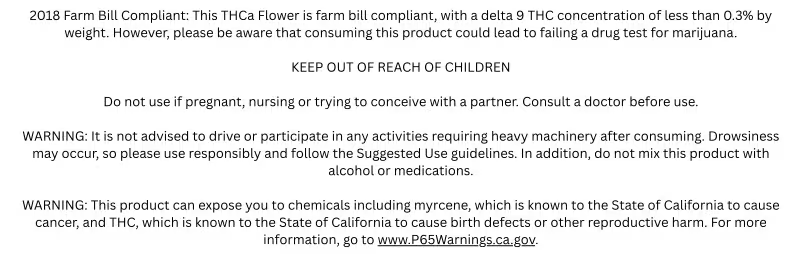
This information is provided for educational purposes only. Cannabis laws vary significantly by jurisdiction.
- Verify local and state laws before purchasing or possessing cannabis products
- Only purchase from licensed, regulated dispensaries and retailers
- Ensure you meet minimum age requirements (typically 21+ for recreational use)
- Cannabis use may have health risks and can be addictive for some individuals
- Do not drive or operate machinery under the influence
- Consult with healthcare providers if you have medical conditions or take medications

States

Eco-Friendly

Industry Standards

may enhance the bioavailability of CBD

- 45 Day Refund Policy, if not satisfied