 Store
Locator
Store
Locator



 Definition
 Ingredients
 Sugar Difference
 Lab Results
 How to Use
 Review
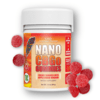
Sugar Free CBD Gummy Drops Strain THC Level
The Sugar Free CBD Gummy Drops THC Level reflects a moderate THC range that supports a balanced experience. Sugar Free CBD Gummy Drops Strain presents a measured potency profile that aligns with balanced enjoyment. The cannabinoid profile stays consistent from start to finish and supports a clean progression of effects.
- THC Percentage: < 0.3%
- Type: Sugar Free CBD Gummy Drops are a CBD edible, not typically categorized by traditional cannabis strain types.
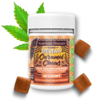
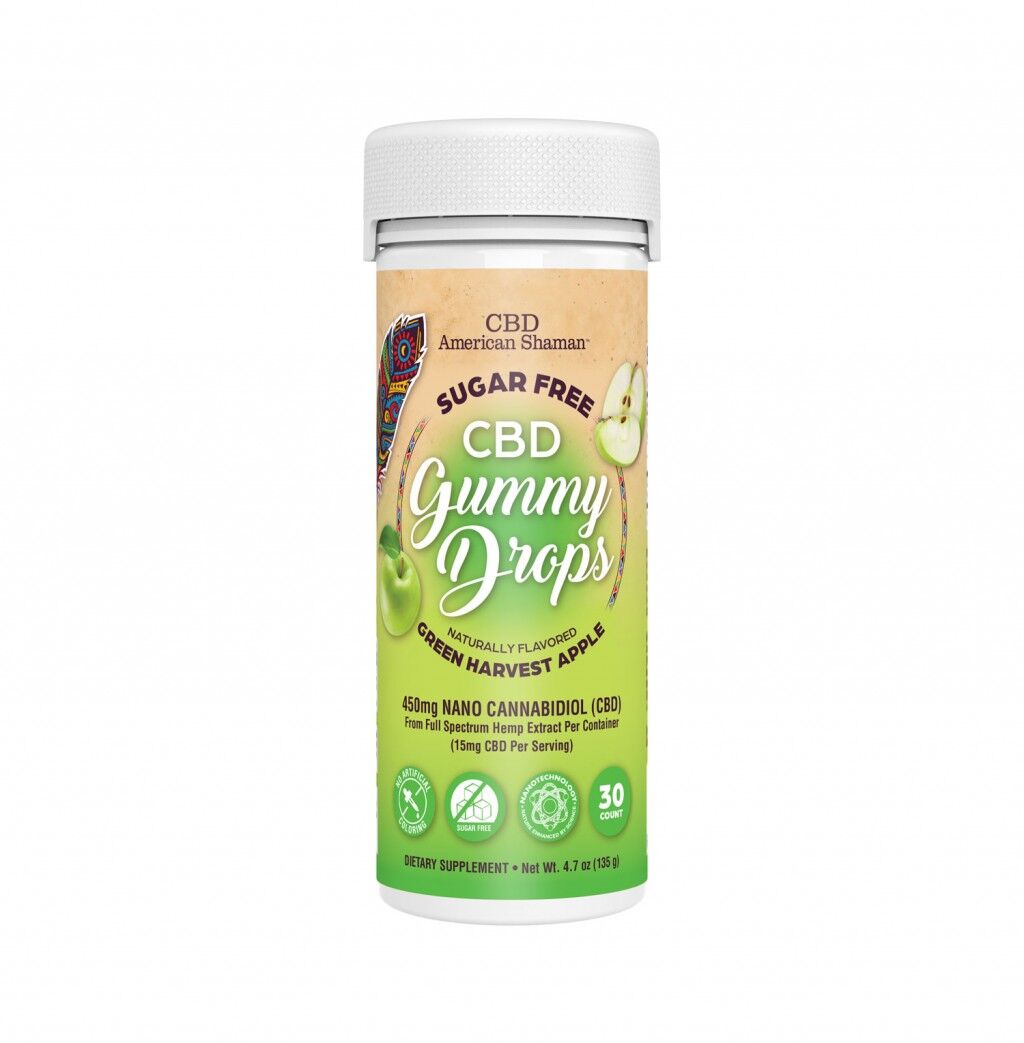
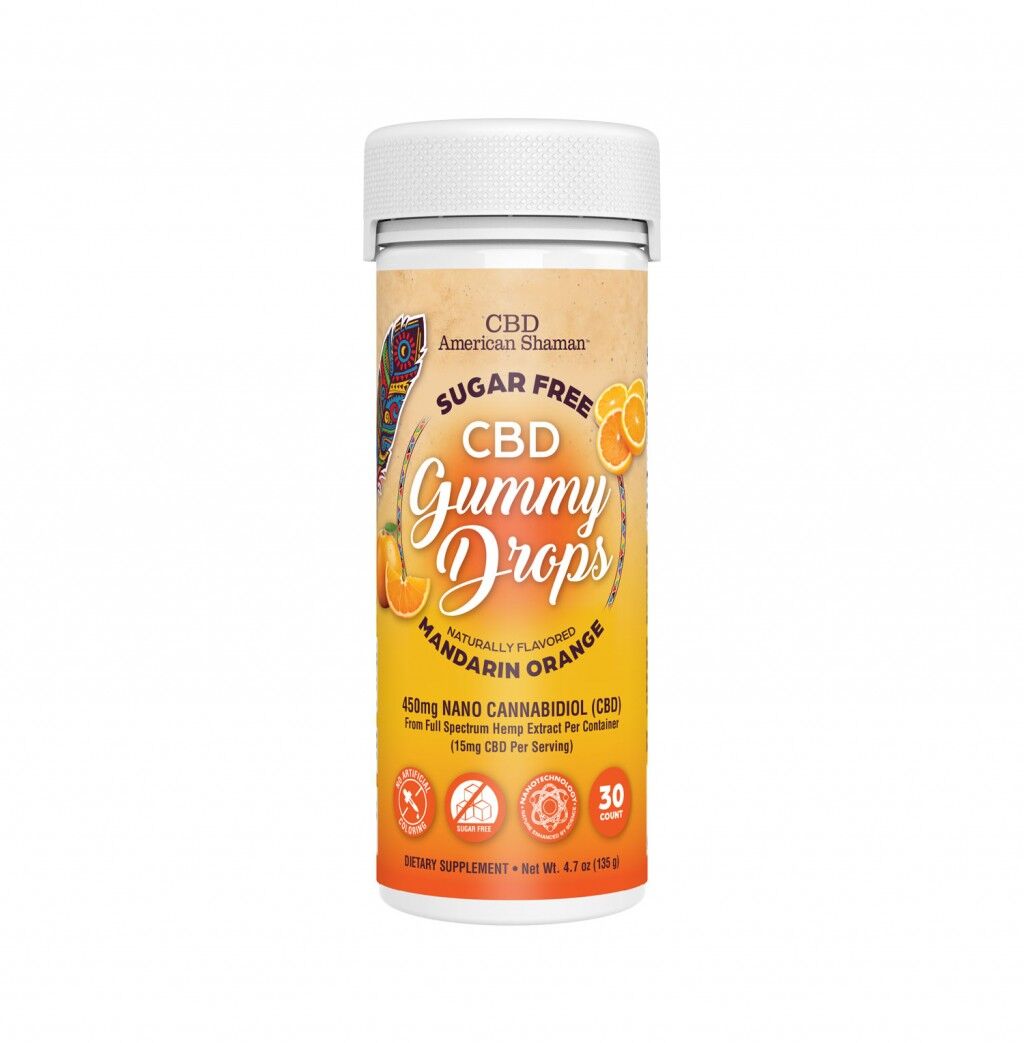
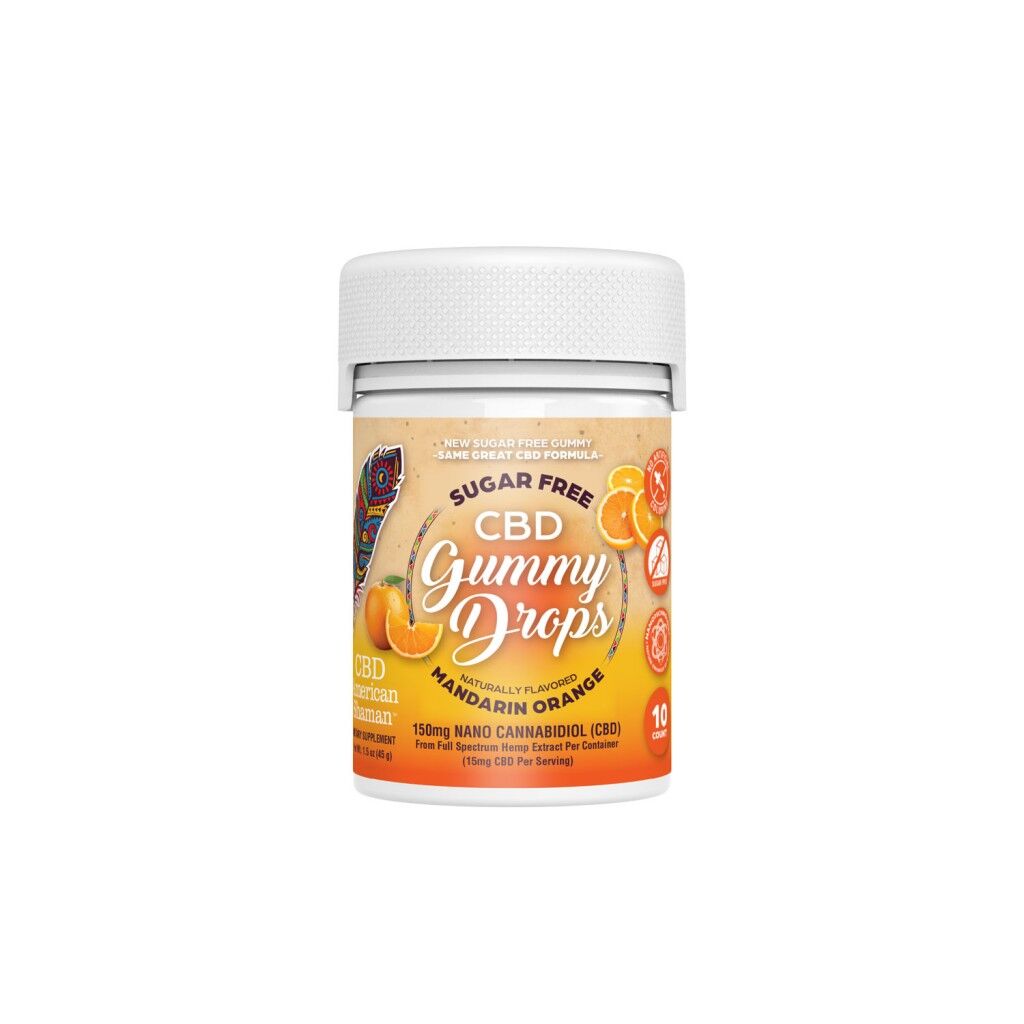
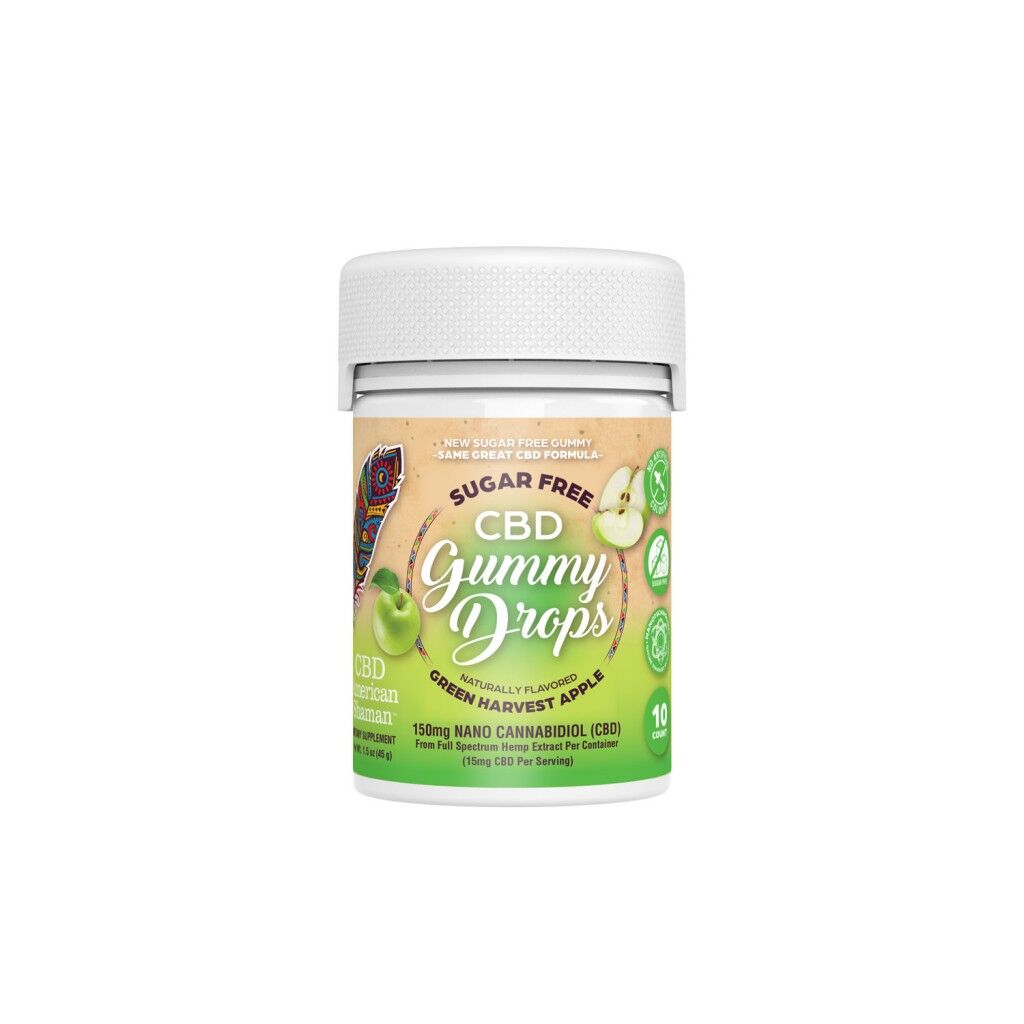
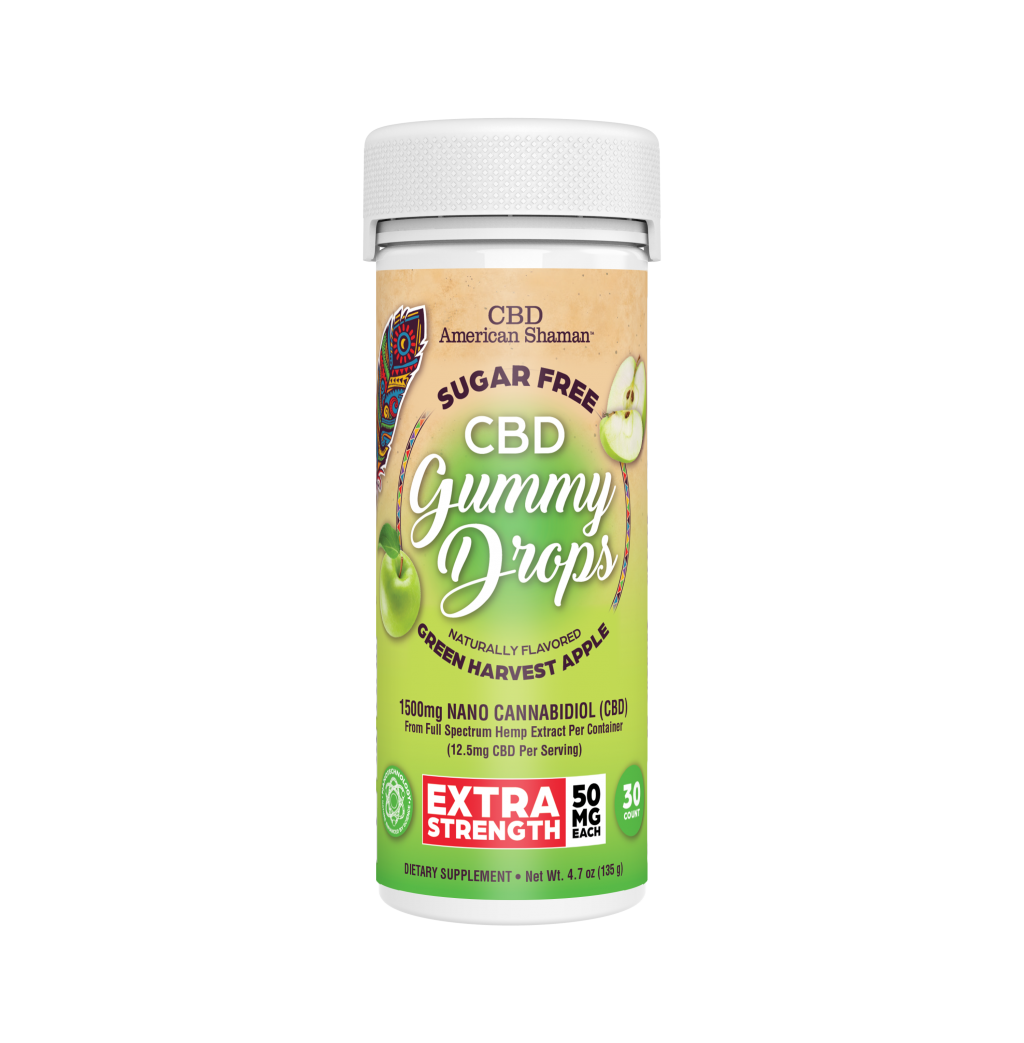
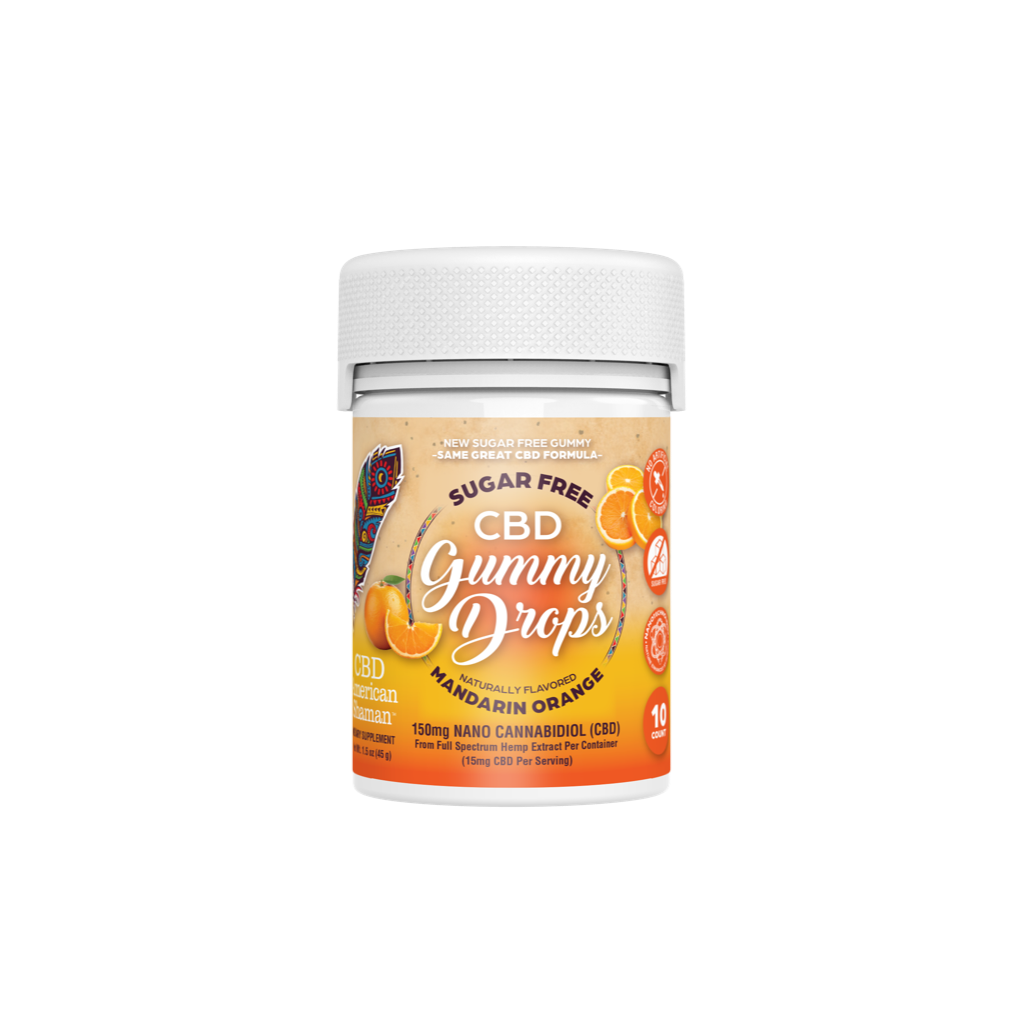
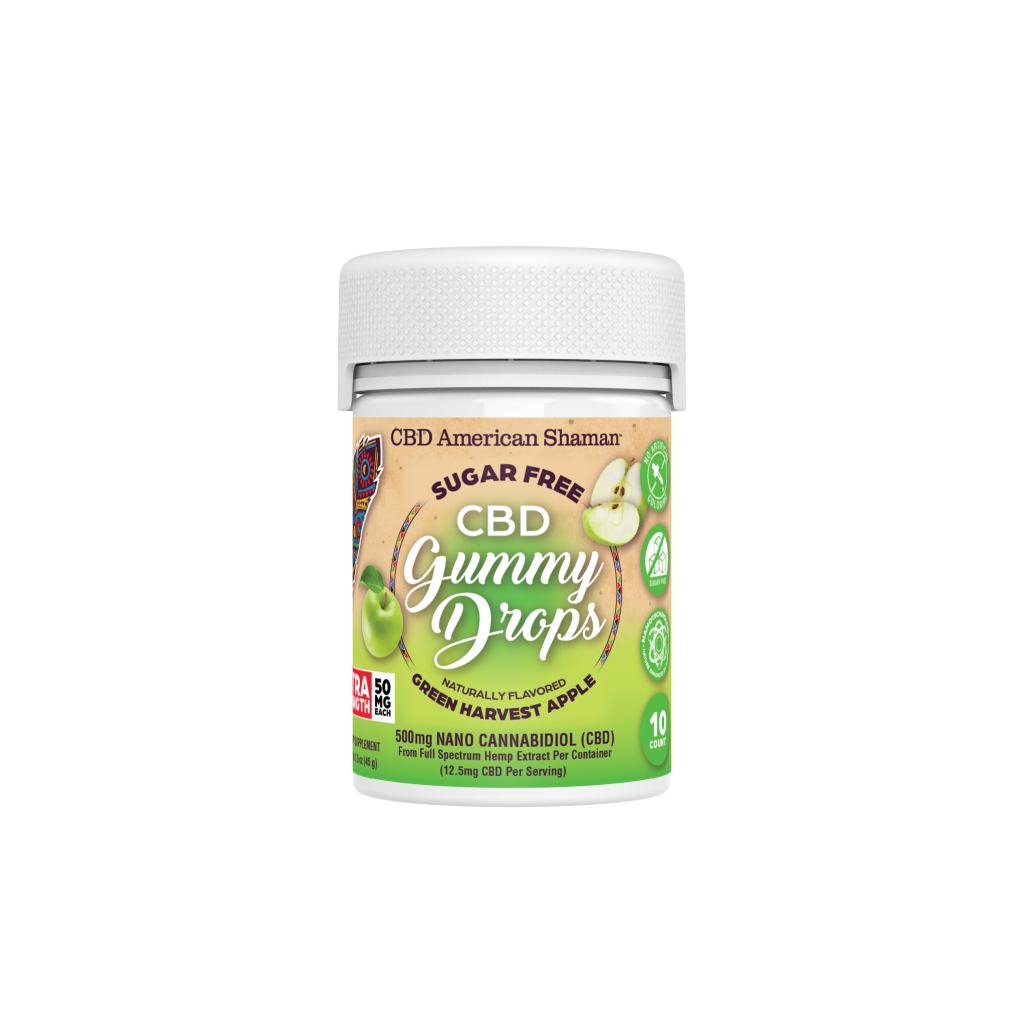
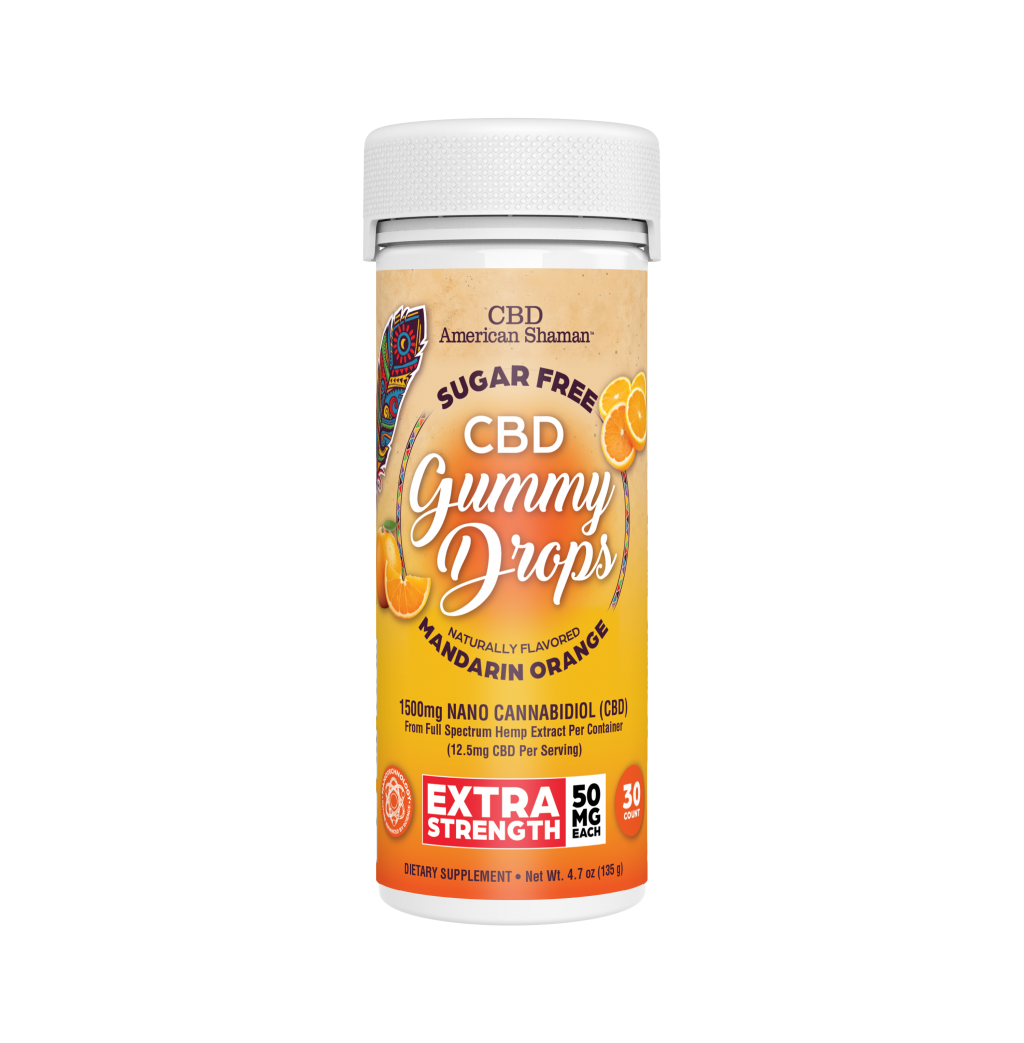
- Flavor Profile: Green Harvest Apple, Mandarin Orange
- Aroma: The aroma of Sugar Free CBD Gummy Drops is subtle and reflects its natural fruit flavors.
- Recommended Use: As a dietary supplement, consume 1 gummy per day as needed, following product label instructions.
Sugar Free CBD Gummy Drops Strain Effects
Sugar Free CBD Gummy Drops Strain Effects are listed below.
-
Sugar Free CBD Gummy Drops may contribute to a sense of calm.
-
Users often report a gentle feeling of relaxation.
-
The experience is typically clear-headed and non-sedating.
-
Some individuals find it supports overall balance.
-
It is designed to be a mild and pleasant experience.
-
The effects are generally subtle and supportive.
-
The Sugar Free CBD Gummy Drops strain effects are often described as mild and focused on general well-being.
Sugar Free CBD Gummy Drops Strain Terpene Profile
Sugar Free CBD Gummy Drops Strain presents a terpene profile defined by subtle sweetness layered with mild earthiness and light herbal undertones. The combined terpene expression creates a clear sensory identity that defines Sugar Free CBD Gummy Drops Strain.
The Sugar Free CBD Gummy Drops Strain Terpene Profile is listed below.
- Myrcene: Known for its earthy and musky notes, often found in mangoes.
- Limonene: Associated with citrus aromas, contributing a bright and uplifting quality.
- Caryophyllene: Offers spicy and peppery notes, also found in black pepper and cloves.
Sugar Free CBD Gummy Drops Strain Growing Factors
Sugar Free CBD Gummy Drops Strain growing factors influence yield, resin, and overall quality. Proper regulation of temperature, humidity, and pH preserves flower quality and plant health.
A summary of the key growing factors for Sugar Free CBD Gummy Drops Strain is shown in the table below.
| Sugar Free CBD Gummy Drops Growing Factor | Description |
|---|---|
| Difficulty | This strain is generally considered to be of moderate difficulty for cultivation. |
| Flowering Time | The flowering time for Sugar Free CBD Gummy Drops Strain typically falls within a standard range for hybrid varieties. |
| Yield | Sugar Free CBD Gummy Drops Strain can produce a respectable yield under optimal growing conditions. |
| Climate | This strain thrives in a controlled indoor environment or a warm, sunny outdoor climate. |
Sugar Free CBD Gummy Drops Strain Aroma and Flavors
-
Aroma: Sugar Free CBD Gummy Drops releases a subtle, pleasant scent.
-
Flavor: Sugar Free CBD Gummy Drops delivers a mild and palatable taste.
-
Overall Impression: Sugar Free CBD Gummy Drops presents a smooth and enjoyable profile.
What are sugar-free CBD gummies?
Sugar-free CBD gummies are edible products infused with cannabidiol (CBD) that do not contain added sugar, using alternative sweeteners like stevia, erythritol, or monk fruit. This distinguishes them from regular CBD gummies which contain added sugars, providing a convenient way to consume CBD without the extra calories or blood sugar spikes. The gummies are designed to deliver a consistent amount of CBD, interacting with the body's endocannabinoid system.
The taste of Sugar Free CBD Gummy Drops varies based on the alternative sweeteners and natural fruit flavors used, offering a satisfying experience without added sugar. Consumers often seek these gummies for a sense of relaxation or comfort after physical activity, as CBD may help support general wellness.
Potency Comparison
- Sugar Free CBD Gummy Drops CBD potency varies.
User Experience: Consumers often choose Sugar Free CBD Gummy Drops for their convenience and for supporting relaxation or comfort after physical activity, especially when adhering to low-sugar diets.
How sugar-free CBD gummies work?
Sugar-free CBD gummies work by delivering cannabidiol (CBD) into the body through digestion. Once consumed, the CBD is absorbed into the bloodstream through the digestive system, where it interacts with the endocannabinoid system. The endocannabinoid system plays a critical role in regulating various physiological processes, including mood, discomfort, and bodily response. CBD influences this system by binding to cannabinoid receptors, which may help support relaxation and general wellness. Sugar-free CBD gummies provide a convenient alternative to regular CBD gummies without the added sugar, making them ideal for consumers following a low-sugar lifestyle. The gummies use sugar substitutes like stevia or monk fruit, which do not affect blood sugar levels, making them suitable for individuals following a low-sugar diet.
What is the Difference between regular and sugar-free CBD gummies?
The difference between regular and sugar-free CBD gummies is in their sugar content. Regular CBD gummies contain added sugars that provide sweetness, whereas sugar-free CBD gummies use alternative sweeteners (stevia, erythritol, or monk fruit) to achieve the desired taste without impacting blood sugar levels. The two types of gummies deliver the same dosage of cannabidiol (CBD), which interacts with the body's endocannabinoid system to support a sense of relaxation and general health. Sugar-free CBD gummies are for consumers who want to avoid sugar due to health concerns, such as consumers following a low-sugar or low-carb lifestyle. The absence of sugar in sugar-free gummies makes them a preferred choice for people who need to monitor their diet while enjoying the potential benefits of CBD.
What makes CBD gummies sugar-free?
Alternative sweeteners make CBD gummies sugar-free by replacing traditional sugars with options (stevia, erythritol, and monk fruit). The sweeteners provide sweetness without contributing to blood sugar spikes or adding calories. Sugar-free CBD gummies allow consumers to enjoy the benefits of cannabidiol (CBD) without added sugar by using sugar substitutes. The use of alternative sweeteners ensures that the gummies remain ideal for consumers following low-sugar or low-carb lifestyles.
What are the Sweeteners used in sugar-free CBD gummies
Sweeteners used in sugar-free CBD gummies are stevia, erythritol, monk fruit, and xylitol. Stevia is a natural sweetener derived from the leaves of the Stevia plant, offering sweetness without calories or affecting blood sugar levels. Erythritol is a sugar alcohol that provides a sugar-like sweetness with little to no impact on blood sugar and is used in sugar-free products. Monk fruit extract is derived from the monk fruit, a zero-calorie sweetener that offers a sweetness profile similar to sugar but without the glycemic impact. Xylitol is used in sugar-free gummies for its sweetness and ability to support oral hygiene. The sweeteners help create a pleasant taste in CBD gummies while keeping them free of added sugars, making them ideal for consumers following low-sugar or low-carb lifestyles.
Are artificial sweeteners used in Sugar-free CBD Gummies of CBD American Shaman?
Yes, CBD American Shaman sugar-free CBD gummies avoid artificial sweeteners in their formulation and instead rely on non-artificial sweeteners like xylitol in certain sugar-free varieties. The ingredient list for American Shaman Sugar-Free CBD Artisan Gummies shows xylitol crystalline as the primary sweetener, with no artificial sweeteners such as aspartame or sucralose listed, indicating that the product does not include synthetic sweetening agents. According to the official product description, American Shaman does not include artificial sweeteners in their edibles, and sugar-free CBD gummy products focus on natural sweetening alternatives.
What is the difference between Natural vs artificial flavoring?
The difference between natural and artificial flavoring is in the source and production process. Natural flavoring is derived from real food sources (fruits, vegetables, spices, or herbs) with minimal processing to retain the original flavor. Artificial flavoring is synthetically created in laboratories using chemicals to replicate the taste of natural foods. Artificial flavoring is preferred for its cost-effectiveness, consistency, and stability, while natural flavoring is viewed as closer to its original source. Artificial flavoring is more affordable and used in processed foods.
What is the CBD source and extraction method in Sugar-free CBD Gummies?
The CBD source and extraction method in sugar-free CBD gummies is derived from hemp plants grown in the United States, using CO₂ extraction. The method involves pressurized carbon dioxide to extract CBD and other beneficial compounds from the hemp plant without using harsh solvents. The process preserves the plant's full-spectrum profile, which includes cannabinoids and terpenes. The CBD is refined and sometimes modified with nanotechnology for potential improvements in absorption after extraction, helping ensure a consistent and high-quality product.
What is the "THC content in sugar-free CBD gummies"?
The THC content in sugar‑free CBD gummies is t very low and must stay under the legal hemp threshold of 0.3 percent THC by dry weight. Hemp‑derived CBD products (sugar‑free CBD gummies) use hemp plants defined by U.S. federal law as containing no more than 0.3 percent delta‑9 THC, the psychoactive compound in cannabis. The legal limit ensures that the gummies do not produce mental effects when used as directed, while allowing trace amounts of THC to remain present when the extract used is full‑spectrum. Gummies made from broad‑spectrum extracts or CBD isolate contain minimal or no THC because the extraction process removes most or all of the THC. The legal requirement for hemp products to stay below the 0.3 percent THC limit governs how manufacturers formulate sugar‑free CBD gummies so that they adhere to federal standards for hemp‑derived cannabinoid products.
What are the Dietary Considerations for Sugar-free CBD Gummies?
The dietary considerations for sugar‑free CBD gummies are focused on monitoring carbohydrate content, ingredients, and alignment with nutritional goals. The gummies use alternative sweeteners that do not raise blood sugar, making them compatible with low‑carb and ketogenic diets. Some sugar‑free formulations use sugar alcohols or fiber‑based sweeteners, which provide minimal net carbohydrates but may cause digestive discomfort if consumed excessively. Reading the nutrition labels carefully is important, as the total carbohydrate and ingredient content determine whether the gummies fit specific dietary restrictions (diabetic or ketogenic guidelines). Consumers with food sensitivities, allergies, or digestive issues must carefully evaluate the ingredient list to avoid potential conflicts with their dietary needs. Consulting a healthcare provider or nutrition professional helps ensure alignment with personalized health plans.
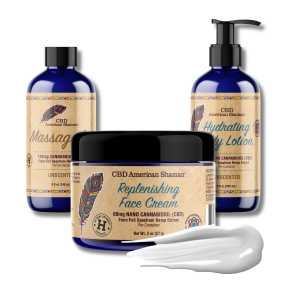
CBD American Shaman
Trusted source for high-quality hemp-based products, including premium THCa flower strains like Sugar Free CBD Gummy Drops, tested for consistency and potency.
What are the possible side effects of Sugar-free CBD Gummies?
The Sugar Free CBD Gummy Drops Strain Side Effects are listed below.
-
Common
Drowsiness & Fatigue
Some users may experience feelings of sleepiness, tiredness, or fatigue, as CBD can affect the central nervous system.
-
Common
Gastrointestinal Discomfort
Mild gastrointestinal symptoms, such as diarrhea, may occur due to CBD and sugar alcohols in sugar-free formulations.
-
Common
Changes in Appetite
A reduction in appetite has been reported by some individuals using CBD products.
-
Common
Dry Mouth
Dry mouth is a common side effect associated with the use of cannabis products, including CBD.
Important Notes
Staying hydrated is recommended when consuming CBD products. It is advisable to start with a low dose and gradually increase as needed to assess individual tolerance. Regular monitoring of effects and consultation with a healthcare provider can support safer use of Sugar Free CBD Gummy Drops. Dosing awareness is important, and consumers must avoid ingesting large quantities, as product purity and effectiveness can vary. Always follow directions and monitor effects.
Do Sugar-free CBD Gummies interact with medications?
Yes, sugar‑free CBD gummies may interact with medications because cannabidiol affects how the liver metabolizes many drugs, potentially altering their levels in the body. Cannabidiol affects cytochrome P450 enzymes, which break down many medications. Inhibition of these enzymes may alter drug concentrations in the bloodstream, potentially affecting their effectiveness and increasing side effects. CBD may interact with anti‑epileptic drugs, antidepressants, blood thinners, and opioid analgesics by slowing metabolism and potentially increasing the risk of side effects or altered effects. Interactions may occur with common medications processed by the same liver enzymes, making it important to consult a healthcare provider before using sugar‑free CBD gummies.
Can you overdose on Sugar-free CBD Gummies?
Yes, you cannot overdose in a fatal way from sugar‑free CBD gummies, as cannabidiol has a wide safety margin in humans and no lethal dose has been clearly established in clinical research. Excessive intake may cause unpleasant side effects. High oral doses of CBD have been tolerated in human studies, though effects vary. Pure cannabidiol does not show abuse or dependence potential and is well‑tolerated at typical supplemental doses. Sleepiness, digestive discomfort, dizziness, dry mouth, and nausea have been reported at very high amounts beyond recommended intake, indicating dose-related side effects rather than true overdose toxicity. Consumers must avoid ingesting large quantities of CBD gummies with high concentrations or mislabeled ingredients, as CBD products vary in effectiveness, making it essential to follow directions and monitor effects.
Is long-term use of Sugar-free CBD Gummies safe?
Long‑term use of sugar‑free CBD gummies has not been definitively proven safe because there is limited high‑quality clinical evidence on prolonged daily cannabidiol intake outside of medical settings. CBD is well tolerated in short‑term use, with common side effects being mild, including sleepiness, digestive issues, and changes in appetite, but long‑term human safety data are being evaluated. Extended research in prescription contexts reports continued tolerability over years for specific conditions, but they involve medical doses and supervision rather than over‑the‑counter gummies. Regulatory bodies note data gaps remain for long‑term effects, including liver enzyme changes and interactions with other medications, and emphasize the need for more research to establish clear safety guidelines for prolonged use. Consistent long‑term use must be approached with caution and regular health monitoring because product quality and dosing vary in the consumer market.
Sugar Free CBD Gummy Drops Usage Guide
Complete usage information and effects guide
|
Experience Type Sugar Free CBD Gummy Drops are often associated with a sense of calm and well-being. |
Primary Effects The primary effects typically include relaxation and a gentle soothing sensation. |
How should Sugar-free CBD Gummies be stored?
Sugar‑free CBD gummies should be stored by keeping them in a cool, dry, and dark place in an airtight container to maintain their freshness, effectiveness, and texture. Proper storage prevents exposure to heat, light, moisture, and oxygen, which degrade cannabinoids and affect the gummies' quality. Using airtight containers (tightly closed jars or original sealed packaging) helps protect the gummies from air and moisture. Storing them in a pantry or cupboard away from direct sunlight and heat sources ensures their longevity, while refrigeration further extends shelf life in warmer environments. Checking expiration dates and inspecting for signs of spoilage (texture changes or unusual odors) helps ensure the gummies remain effective and safe.
Do Sugar-free CBD Gummies melt or degrade over time?
Yes, Sugar‑free CBD gummies melt or degrade over time because their gelatin or pectin base and cannabidiol (CBD) are sensitive to heat, light, moisture, and air. Elevated temperatures soften and deform the gummy matrix, causing melting or sticky texture changes when gummies are exposed to warmth for extended periods. Prolonged exposure to light and oxygen accelerates the degradation of CBD, reducing effectiveness and altering the chemical profile of the cannabinoids. Moisture uptake from humid environments affects texture and promotes microbial growth if packaging is compromised. Proper storage in a cool, dry, and dark place with a sealed container slows both melting and degradation, preserving texture and cannabinoid stability. Monitoring storage conditions and following best‑by dates helps ensure sugar‑free CBD gummies retain quality throughout their intended shelf life.
What are the Regulations for Sugar-free CBD Gummies?
The regulations for sugar‑free CBD gummies are governed by federal law, state law, and food‑safety rules, with cannabidiol (CBD) being subject to specific legal regulations. Hemp‑derived CBD products with no more than 0.3 percent THC are federally permitted under the 2018 U.S. Farm Bill, though other legal restrictions may apply. The FDA does not currently permit CBD to be marketed as an ingredient in food products or dietary supplements, creating a regulatory gap for sugar‑free CBD gummies, as they do not make health claims and must meet general food safety standards. Federal oversight focuses on misbranding and safety concerns, while individual states (California, Colorado, and New York) set regulations regarding sale, labeling, and THC content in CBD edibles, making the legal landscape of sugar-free CBD gummies complex. Manufacturers must navigate federal and state regulations to ensure compliance with labeling and product safety requirements.
Are Sugar-free CBD Gummies legal?
Yes, sugar‑free CBD gummies are legal in many regions, including states where hemp‑derived CBD products are permitted. Legality depends on local, state, and national laws. Hemp‑derived cannabidiol (CBD) products with no more than 0.3 percent THC by dry weight are federally allowed under the 2018 Farm Bill, which legalized hemp cultivation and products in the United States. The U.S. Food and Drug Administration (FDA) currently prohibits the addition of CBD to foods or dietary supplements sold in interstate commerce, creating a restriction on marketing CBD gummies as regular food items. California, Colorado, and Florida permit the sale and use of sugar‑free CBD gummies, with certain regulations, but impose stricter rules or limits on hemp products. Outside the United States, legality varies by country with different regulations governing CBD products. The complex legal landscape means that sugar‑free CBD gummies are lawful in some places, but compliance with federal, state, or national regulations is essential.
What are the THC limits for Sugar-free CBD Gummies?
The THC limits for sugar‑free CBD gummies are 0.3 percent THC by dry weight under U.S. federal law, as outlined in the 2018 Agriculture Improvement Act (Farm Bill). The threshold applies to all hemp‑derived CBD products, ensuring that products contain trace amounts of THC, which are unlikely to cause mental effects. Products exceeding the limit are classified as drugs under federal law and face stricter regulations. Gummies containing sugar-free CBD must meet the 0.3 percent THC limit to be legal in states where hemp-derived products are allowed. States may impose additional restrictions or allowances despite the federal guidelines, adding to the complexity of the legal landscape for such products. Ensuring adherence to the THC limit helps maintain legal compliance and consumer safety.
Can Sugar-free CBD Gummies affect drug test results?
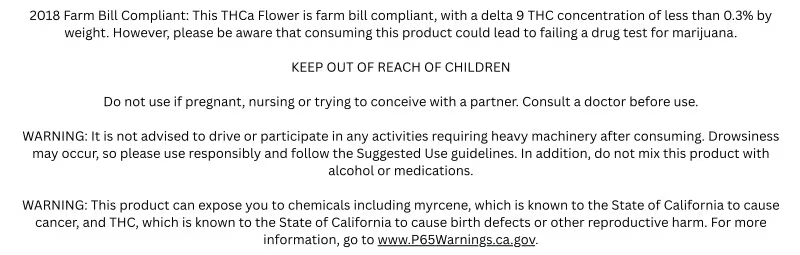
Yes, sugar‑free CBD gummies can affect drug test results because most drug screenings look for THC metabolites rather than cannabidiol (CBD). Trace amounts of THC in hemp‑derived products may accumulate and result in a positive test in drug screenings. Drug tests designed to detect THC do not target CBD itself, but many CBD products may contain low levels of THC. Long‑term or high‑frequency use increases the possibility that THC metabolites show up in urine screens. Hemp-derived CBD products containing small amounts of THC may result in positive drug tests in some cases. The risk of a positive result may be higher with full‑spectrum formulations that include THC, compared with broad‑spectrum or isolate products with minimal or no THC. Sugar-free CBD gummies may lead to a positive drug test even when marketed as low‑THC or THC‑free because of the variability in product labeling and purity. Careful product selection and awareness of testing policies can help avoid unexpected results.
Legal Disclaimer
This information is provided for educational purposes only. Cannabis laws vary significantly by jurisdiction.
- Verify local and state laws before purchasing or possessing cannabis products
- Only purchase from licensed, regulated dispensaries and retailers
- Ensure you meet minimum age requirements (typically 21+ for recreational use)
- Cannabis use may have health risks and can be addictive for some individuals
- Do not drive or operate machinery under the influence
- Consult with healthcare providers if you have medical conditions or take medications

States

Eco-Friendly

Industry Standards

may enhance the bioavailability of CBD

- 45 Day Refund Policy, if not satisfied