






Yes, hemp is gluten-free. The hemp plant does not produce the gluten proteins found in wheat, barley, or rye. Hemp seeds, hemp hearts, and various hemp-derived ingredients share the same natural gluten-free composition. Processed hemp products may become exposed to gluten through cross-contact during manufacturing, packaging, or shared equipment use. Reviewing labeling and certification helps confirm whether a specific hemp product remains free from gluten contamination.
What Makes Hemp Naturally Gluten Free?
The absence of gluten proteins within the hemp plant’s natural composition makes hemp naturally gluten-free. Gluten refers to a group of proteins found specifically in wheat, barley, and rye, none of which occur within hemp. Pure hemp seeds, hemp hearts, and hemp-derived ingredients remain free from gluten as long as no contact with gluten-containing grains occurs during growing or processing. Hemp cultivation and harvesting typically involve separate fields and equipment from wheat, barley, or rye crops, reducing the likelihood of natural contamination. Manufacturing processes, however, can introduce gluten if hemp products share equipment, storage, or facilities with gluten-containing grains. Reviewing product labeling and third-party certification provides additional assurance regarding a specific product’s gluten-free status. Understanding hemp’s natural composition helps consumers recognize why pure, unprocessed hemp qualifies as a gluten-free ingredient.
How does Hemp Stay Naturally Free of Gluten?
Hemp stays naturally free of gluten through a biological composition that does not include gluten proteins at any growth stage. Wheat, barley, and rye each produce specific proteins classified as gluten, while hemp plants do not produce such proteins. Unprocessed hemp seeds, hemp hearts, and hemp-derived oils remain naturally free from gluten unless exposed to contamination after harvest. Proper handling practices, including separate storage and dedicated equipment, help maintain hemp’s natural gluten-free status throughout processing. Facilities that also process wheat, barley, or rye face a higher risk of introducing gluten through shared equipment or airborne particles. Manufacturers committed to gluten-free production typically implement strict separation protocols between hemp and gluten-containing ingredients. Reviewing certification and testing documentation offers additional confirmation that a specific hemp product remains free from gluten contamination.
Can Hemp Become Contaminated With Gluten?
Yes, hemp can become contaminated with gluten during processing, handling, or packaging despite its naturally gluten-free composition. Shared equipment or facilities used for both hemp and gluten-containing grains can introduce gluten through cross-contact. Airborne flour particles within a shared manufacturing facility represent another potential source of unintended gluten exposure. Storage practices also matter, since hemp stored near wheat, barley, or rye products may pick up trace contamination over time. Individuals who need to avoid gluten strictly should select hemp products carrying clear gluten-free labeling or third-party certification. Reviewing manufacturing practices and facility statements provides additional insight into contamination risk for a specific product. Choosing products manufactured in dedicated gluten-free facilities further reduces the likelihood of unwanted gluten exposure.
Are Hemp Seeds Gluten Free?
Yes, pure hemp seeds are naturally gluten-free, since hemp does not produce the proteins classified as gluten. Hemp seeds do not contain wheat, barley, or rye-derived gluten at any stage of natural growth. Gluten-free status remains intact as long as hemp seeds avoid contact with gluten-containing grains during harvesting, storage, and processing. Cross-contact during manufacturing represents the primary risk factor for gluten exposure within packaged hemp seed products. Facilities processing both hemp and gluten-containing grains face a higher likelihood of introducing unintended contamination. Packaged hemp seed products should be checked carefully for gluten-free labeling or certification before purchase. Reviewing ingredient lists and manufacturing statements helps confirm whether a specific hemp seed product remains free from gluten.
How are Hemp Seeds Processed for Gluten-Free Diets?
Hemp seeds are processed for gluten-free diets using equipment and facilities specifically designed to prevent contact with gluten containing grains. Manufacturers dedicated to gluten free production typically maintain separate processing lines for hemp and grains such as wheat, barley, or rye. Proper cleaning procedures between production runs help eliminate residual gluten particles from shared equipment when separation is not fully possible. Packaging practices also matter, since sealed, dedicated packaging lines further reduce the likelihood of cross contact after processing concludes. Testing throughout production allows manufacturers to verify gluten free status before products reach store shelves. Certified gluten free products undergo additional verification through recognized third party certification programs. Choosing certified products provides greater assurance for individuals who require strict gluten avoidance within their diet.
Are Hemp Seeds Safe for People With Celiac Disease?
Yes, hemp seeds are safe for people with celiac disease when the seeds remain pure and free from gluten cross-contact. Hemp seeds do not naturally contain the gluten proteins that trigger reactions in people with celiac disease. The primary concern involves potential gluten cross-contact occurring during manufacturing, packaging, or shared facility use rather than the hemp seeds themselves. Individuals with celiac disease generally require strict avoidance of even small gluten amounts, making contamination risk particularly relevant. Choosing certified gluten-free hemp seeds can reduce the risk of unintended gluten exposure within a controlled diet. Reviewing product labeling and third-party certification provides additional confidence before incorporating hemp seeds into a gluten-free eating plan. Consulting a healthcare provider or registered dietitian remains advisable for individuals managing celiac disease and introducing new foods.
Are Hemp Hearts Gluten Free?
Yes, pure hemp hearts are naturally gluten-free, since they originate from the same gluten-free hemp seed. Hemp hearts represent the shelled inner portion of hemp seeds, retaining the same natural composition as the whole seed. Removing the outer shell does not introduce gluten, meaning hemp hearts remain free from gluten proteins under normal conditions. Processing and packaging, however, can expose hemp hearts to gluten through shared equipment or facility contamination. Products manufactured alongside wheat, barley, or rye face a higher risk of unintended cross-contact. Reviewing labeling and certification helps confirm whether a specific hemp heart product remains free from gluten contamination. Selecting products from manufacturers with dedicated gluten-free processing further reduces contamination risk.
How are Hemp Hearts Different From Whole Hemp Seeds?
Hemp hearts differ from whole hemp seeds primarily through the removal of the outer shell during processing. Whole hemp seeds retain their outer shell, providing additional fiber and a firmer overall texture compared with shelled hemp hearts. Hemp hearts offer a softer texture, making them easier to eat directly or incorporate into various food preparations. Nutritional composition remains largely similar between the two forms, though the removed shell slightly alters fiber content within hemp hearts. Both whole hemp seeds and hemp hearts remain naturally gluten-free when no contamination occurs during processing. Manufacturing methods for each format may differ slightly, potentially influencing overall contamination risk depending on shared equipment use. Selecting either format ultimately depends on personal preference regarding texture, fiber content, and intended use within meal preparation.
Can Hemp Hearts be Cross-Contaminated With Gluten?
Yes, hemp hearts can become cross-contaminated with gluten during processing, packaging, or storage despite their naturally gluten-free composition. Shared processing equipment or manufacturing facilities used for both hemp and gluten-containing grains can introduce unintended gluten exposure. Airborne particles within a shared facility represent an additional potential source of contamination beyond direct equipment contact. Storage conditions also matter, since hemp hearts stored near wheat, barley, or rye products may develop trace contamination over time. Individuals managing celiac disease or strict gluten avoidance should look for reliable gluten-free labeling before selecting a specific product. Reviewing manufacturing practices and facility statements provides additional insight into potential contamination risk. Choosing products from dedicated gluten-free facilities further reduces the likelihood of unwanted gluten exposure.
Is Hemp Flower Gluten Free?
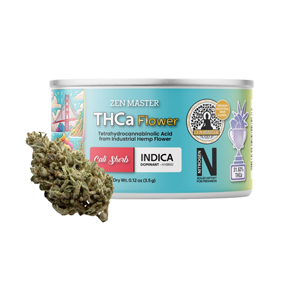
Yes, pure hemp flower is naturally gluten-free, since the hemp plant does not produce gluten proteins at any stage of growth. Hemp flower consists of the plant’s dried buds, harvested and processed separately from grains such as wheat, barley, or rye. Gluten-free status remains intact as long as hemp flower avoids contact with gluten-containing ingredients during cultivation, drying, and packaging. Cross-contact risk exists primarily within shared processing or packaging facilities rather than the plant material itself. A selection of hemp flower products provides options for individuals seeking naturally gluten-free hemp-derived items. Reviewing product labeling and manufacturing practices helps confirm gluten-free status before purchase. Individuals with strict gluten avoidance needs should verify certification or third-party testing when available.
How Is Hemp Flower Processed?
Hemp flower is processed through a series of steps beginning with harvesting mature buds directly from the hemp plant. Growers typically dry harvested flower under controlled conditions to reduce moisture content and preserve overall quality. Curing follows drying, allowing the flower to develop its final characteristics through a slower, controlled aging process. Trimming removes excess leaf material, leaving primarily the flower structure intended for final packaging and sale. Quality control steps, including visual inspection and laboratory testing, help confirm cannabinoid content and overall product safety. Packaging typically occurs within dedicated facilities designed to preserve freshness and prevent contamination from external sources. Reviewing processing practices helps consumers understand how hemp flower moves from cultivation to a finished, purchasable product.
Can Hemp Flower Become Contaminated With Gluten During Processing?
Yes, hemp flower can become contaminated with gluten during processing if shared equipment or facilities handle gluten-containing ingredients. Drying, curing, and trimming typically occur within facilities dedicated to hemp and cannabis processing, reducing overall contamination likelihood. Packaging facilities that also handle food products containing wheat, barley, or rye face a higher risk of unintended cross-contact. Airborne particles within a shared facility represent an additional potential contamination source beyond direct equipment contact. Individuals with strict gluten avoidance needs should review manufacturing practices before selecting a specific hemp flower product. Reviewing available lab reports and facility statements provides additional confidence regarding contamination risk. Choosing products from dedicated, single-purpose facilities further reduces the likelihood of unwanted gluten exposure.
Is Hemp Protein Gluten Free?
Yes, pure hemp protein is naturally gluten-free, since it derives entirely from hemp seeds rather than gluten-containing grains. Hemp protein powder results from processing hemp seeds rather than wheat, barley, or rye, eliminating the primary source of natural gluten. Added ingredients within certain hemp protein formulations, however, may introduce gluten depending on specific manufacturing practices. Flavorings, thickeners, or blended ingredients sometimes included within protein powders can carry gluten if sourced from grain-based ingredients. Reviewing the complete ingredient list remains essential for confirming whether a specific hemp protein product stays free from gluten. Manufacturing practices, including shared equipment or facilities, may also affect the finished product’s overall gluten-free status. Choosing products with clear labeling or certification provides additional assurance for individuals requiring strict gluten avoidance.
How is Hemp Protein Made?
Hemp protein is made by processing hemp seeds and separating much of the natural oil and fiber content from the seed. Manufacturers typically press hemp seeds to extract oil first, leaving behind a fiber- and protein-rich remaining material. The remaining material then undergoes grinding and additional processing to produce a fine, protein-concentrated powder. Resulting hemp protein powder contains a concentrated source of plant-based protein suitable for incorporation into various food products. Processing methods vary considerably between manufacturers, potentially influencing final protein concentration and overall product composition. Some manufacturers add flavorings, sweeteners, or other ingredients, which may introduce additional considerations regarding gluten content. Reviewing labels for added ingredients and gluten-free claims remains important when selecting a specific hemp protein product.
Does Hemp Protein Always Stay Gluten Free?
No, hemp protein does not always stay gluten-free, since manufacturing practices and added ingredients can introduce gluten into the finished product. Pure hemp protein derived solely from hemp seeds remains naturally free from gluten under normal processing conditions. Manufacturers sometimes blend hemp protein with additional ingredients, including flavorings or thickeners, which may carry gluten depending on their source. Shared equipment or facilities used for both hemp protein and gluten-containing ingredients can introduce cross-contact contamination. Reviewing the complete ingredient list helps identify any potential gluten sources within a specific formulation. Checking for gluten-free certification or clear labeling provides additional assurance regarding a product’s actual gluten status. Individuals requiring strict gluten avoidance should verify labeling carefully rather than assuming all hemp protein products remain free from gluten.
Is Hemp Milk Gluten Free?
Yes, plain hemp milk is gluten-free when manufactured using gluten-free ingredients and processing methods. Hemp itself does not contain gluten, since the plant does not produce the proteins classified as gluten. Added ingredients within certain hemp milk formulations, however, may introduce gluten depending on specific manufacturing choices. Flavorings, thickeners, or stabilizers sometimes included within hemp milk products can carry gluten if sourced from grain-based ingredients. Manufacturing practices, including shared equipment or facilities, may also affect the finished product’s overall gluten-free status. Reviewing the complete ingredient list and label statements remains important before selecting a specific hemp milk product. Choosing products with clear gluten-free labeling provides additional assurance for individuals requiring strict gluten avoidance.
What Ingredients in Hemp Milk May Contain Gluten?
The ingredients in hemp milk that may contain gluten are listed below.
- Flavorings: Some processed flavorings included within hemp milk formulations may require verification regarding their specific source ingredients. Certain flavoring compounds derive from grain-based sources that could introduce gluten. Reviewing ingredient labels helps confirm whether a specific flavoring carries gluten risk.
- Thickeners: Additives used to achieve a desired hemp milk consistency should always be checked on the ingredient label. Some thickening agents derive from grain sources, while others remain naturally free from gluten. Confirming the specific thickener used helps assess overall gluten risk within a formulation.
- Sweeteners: Sweetener formulations vary considerably between different hemp milk products and manufacturers. Certain sweeteners undergo processing that may introduce cross-contact with gluten-containing ingredients. Reviewing labeling helps confirm whether a specific sweetener poses any gluten-related concern.
- Grain Ingredients: Wheat, barley, rye, or their derivatives can contain gluten if included within a hemp milk formulation. Some products blend hemp with oats or other grains, which may introduce gluten depending on sourcing and processing. Checking the complete ingredient list remains essential for identifying any grain-based additions.
Is Unsweetened Hemp Milk Usually Gluten Free?
Yes, unsweetened hemp milk is usually gluten-free when its ingredients and processing methods remain free from gluten exposure. Removing added sweeteners reduces one potential source of gluten risk, since some sweetener formulations undergo processing involving grain-based ingredients. Manufacturing practices still matter, since shared equipment or facilities can introduce gluten regardless of a product’s sweetened or unsweetened status. Checking product labeling remains important, since formulations differ considerably between brands even within the same general category. Certified gluten-free products offer greater assurance for individuals managing celiac disease or requiring strict gluten avoidance. Reviewing the complete ingredient list helps confirm whether a specific unsweetened hemp milk product remains free from gluten. Selecting products with clear labeling supports more confident, informed purchasing decisions.
How does Hemp Compare With Other Gluten-Free Seeds?
Hemp compares similarly with other gluten-free seeds, including chia, sesame, and sunflower seeds, since none naturally produce gluten proteins. Each of these seeds originates from plants unrelated to wheat, barley, or rye, the primary sources of natural gluten. Nutritional composition varies between hemp, chia, sesame, and sunflower seeds, though all share a naturally gluten-free foundation. The main shared concern across all four seed types involves possible cross-contact occurring during processing or packaging rather than the seeds themselves. Facilities processing multiple seed types alongside gluten-containing grains face similar contamination risks regardless of specific seed variety. Packaged seed products, whether hemp, chia, sesame, or sunflower, should be checked for gluten-free labeling when strict avoidance is required. Reviewing manufacturing practices across all seed categories helps consumers make informed comparisons when selecting gluten-free options.
Are Chia, Sesame, and Sunflower Seeds Also Gluten Free?
Yes, chia, sesame, and sunflower seeds are naturally gluten-free, similar to hemp seeds in overall composition. None of these seeds naturally contain the gluten proteins found specifically in wheat, barley, and rye. Each seed originates from a plant unrelated to grain crops, supporting their natural gluten-free classification. Processing or packaging, however, can introduce gluten through cross-contact within shared manufacturing facilities. Products processed alongside wheat, barley, or rye face a higher likelihood of unintended contamination regardless of seed type. Individuals requiring strict gluten avoidance should review labeling and certification for chia, sesame, and sunflower seed products specifically. Reviewing manufacturing practices helps confirm gluten-free status across all naturally gluten-free seed varieties.
How can you Choose Safe Gluten-Free Hemp Products?
You can choose safe gluten free hemp products by following these six steps. First, check the complete ingredient list for wheat, barley, rye, or their derivatives within any hemp product. Second, look for a clear gluten free statement printed directly on product packaging. Third, verify recognized gluten-free certification when available, since certification indicates adherence to established testing standards. Fourth, review allergen statements and manufacturing warnings regarding shared equipment or facility use. Fifth, research the manufacturer to confirm dedicated gluten-free processing practices when strict avoidance remains necessary. Lastly, contact the manufacturer directly with any remaining questions regarding sourcing, testing, or facility practices.
What Should You Check on Hemp Product Labels?
The things you should check on hemp product labels are listed below.
- Ingredients: Reviewing the complete ingredient list helps identify wheat, barley, rye, or their derivatives within a hemp product. Grain-based additives sometimes appear within flavored or blended formulations. Confirming the absence of grain ingredients supports safer selection for gluten avoidance.
- Gluten-Free Claim: Looking for a clear gluten-free statement on packaging provides an immediate indication of manufacturer intent. Such statements typically reflect internal testing or formulation practices designed to avoid gluten. Absence of a clear statement warrants additional label review before purchase.
- Certification: Checking for recognized gluten-free certification offers additional assurance beyond a general manufacturer claim. Certification programs typically require testing against an established gluten threshold before approval. Certified products generally provide greater confidence for individuals requiring strict avoidance.
- Allergen Information: Reviewing allergen and wheat statements printed on packaging helps identify potential contamination risk. Many manufacturers voluntarily disclose shared facility or equipment use within allergen statements. Checking such statements supports more informed purchasing decisions.
- Cross Contact: Looking for shared equipment or facility warnings helps assess potential contamination risk beyond the ingredient list alone. Such warnings typically appear near allergen statements on product packaging. Products without such warnings may still warrant direct manufacturer inquiry for confirmation.
Should you Look for a Certified Gluten Free Label?
Yes, you should look for a certified gluten free label, since certification provides additional assurance beyond a general manufacturer claim of gluten free status. Certification indicates that a product meets established gluten free standards verified through recognized third party testing programs. Testing typically confirms that gluten content remains below a specific threshold considered safe for strict gluten avoidance. Certification proves especially useful for individuals managing celiac disease or requiring avoidance of even small gluten amounts. Products lacking certification may still remain genuinely gluten free, though verification relies more heavily on manufacturer statements alone. Reviewing certification alongside ingredient lists and allergen statements provides the most complete picture of a product’s gluten status. Choosing certified products generally supports greater confidence for individuals with strict dietary requirements.
Are Hemp Derived CBD Products Gluten Free?
Yes, pure hemp derived CBD products are generally gluten free, since cannabidiol itself does not contain gluten proteins. Cannabidiol derives from the hemp plant, which does not naturally produce the proteins classified as gluten. Added ingredients within certain CBD formulations, however, may introduce gluten depending on specific manufacturing choices. Carrier oils, flavorings, or other additives sometimes included within CBD products remain the primary potential gluten source. Reviewing the complete ingredient list and manufacturing practices helps confirm whether a specific CBD product remains free from gluten. Choosing products with clear labeling or certification provides additional assurance for individuals requiring strict gluten avoidance. Consumers exploring other hemp-derived options can apply the same ingredient and labeling review to Hemp Derived Delta 9.
What Ingredients in CBD Products May Contain Gluten?
The ingredients in CBD products that may contain gluten are listed below.
- Carrier Oils: Most carrier oils used within CBD products, such as coconut or hemp seed oil, remain naturally free from gluten. Certain specialty carrier oils, however, may undergo processing involving shared equipment with grain-based ingredients. Reviewing carrier oil sourcing helps confirm overall product gluten status.
- Flavorings: Flavoring agents added to improve taste within CBD oils or edibles may derive from various sources, including grain-based ingredients. Reviewing specific flavoring sources helps identify potential gluten risk within a formulation. Manufacturers typically disclose flavoring sources within complete ingredient lists.
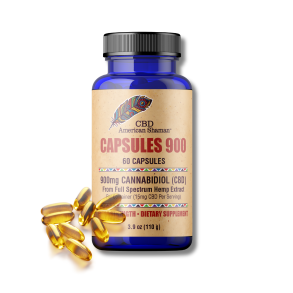
- Fillers and Binders: Capsules and gummies sometimes include fillers or binding agents that help maintain product structure and consistency. Certain binding agents derive from grain-based starches, which may introduce gluten depending on sourcing. Checking capsule and gummy ingredient lists remains important for identifying such additives.
- Sweeteners and Coatings: Gummies and other edible CBD products often include sweeteners or coatings that may involve grain-derived processing aids. Reviewing labeling helps confirm whether a specific sweetener or coating carries gluten-related concern. Manufacturers committed to gluten-free production typically disclose sourcing for such ingredients.
Why Take Hemp Derived CBD Oil on a Gluten Free Diet?
Taking hemp-derived CBD oil on a gluten-free diet makes sense because cannabidiol itself does not contain gluten proteins. CBD oil typically combines cannabidiol extract with a carrier oil, such as coconut or hemp seed oil, both naturally free from gluten. Compared with certain other wellness products, including some flavored supplements or fortified foods, CBD oil formulations often involve fewer added ingredients overall. Simpler formulations generally carry a lower likelihood of introducing gluten compared with products containing multiple additives, flavorings, or fillers. Individuals following a gluten-free diet may find oil formats easier to verify compared with more heavily processed CBD products. A selection of CBD Oil products offers various formulations for individuals seeking naturally gluten-free hemp-derived options. Reviewing ingredient lists and lab reports remains important regardless of format when confirming a product’s actual gluten status.
What Should You Check in Hemp-Derived CBD Oil?
Carrier oil type, additional ingredients, and manufacturing practices are the main factors to check in hemp-derived CBD oil for gluten. Carrier oils such as coconut or hemp seed oil remain naturally free from gluten, unlike some specialty oils processed alongside grain-based ingredients. Additional ingredients, including flavorings or preservatives, deserve careful review compared with simpler, single-ingredient oil formulations. Manufacturing practices matter significantly, since shared equipment or facilities can introduce gluten regardless of the oil’s base ingredients. Lab reports and third-party testing provide verification beyond label claims alone, supporting more confident product selection. Comparing multiple CBD oil products side by side helps identify formulations with fewer potential gluten sources. Reviewing all available documentation together offers the most reliable method for confirming a specific product’s gluten-free status.
Does Hemp Derived CBD Oil Contain Gluten?
No, hemp-derived CBD oil generally does not contain gluten, since cannabidiol and typical carrier oils remain naturally free from gluten proteins. Compared with more heavily processed CBD products, such as flavored gummies or capsules with multiple additives, oil formulations often carry fewer potential gluten sources. Manufacturing practices still influence final gluten status, since shared equipment or facilities can introduce contamination regardless of formulation simplicity. Reviewing the complete ingredient list remains important, since some CBD oils include flavorings or additional compounds beyond the base cannabidiol and carrier oil. Lab reports and gluten-free certification provide additional verification beyond standard label claims for individuals requiring strict avoidance. Comparing labeled ingredients across different CBD oil products helps identify formulations with the lowest overall gluten risk. Choosing products with transparent labeling and testing documentation supports more confident, informed purchasing decisions.