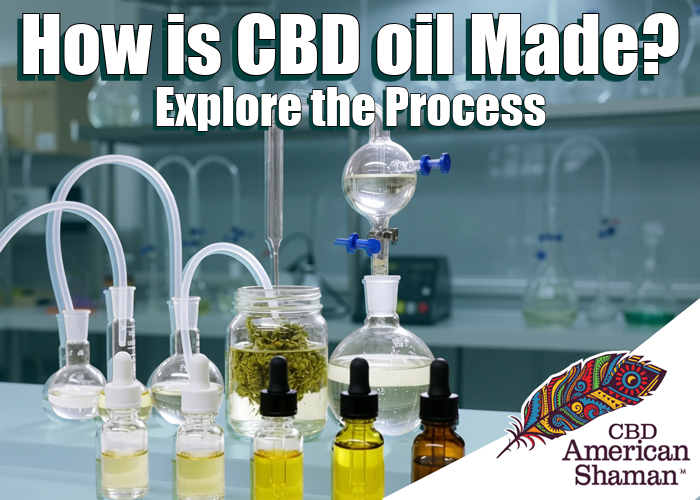
CBD oil is made from hemp plants through a multi-step process involving cultivation, extraction, filtration, and testing. Hemp serves as the primary source because the plant naturally contains higher concentrations of cannabidiol alongside minimal levels of tetrahydrocannabinol. Legal hemp varieties are specifically bred to meet regulatory THC thresholds while maximizing cannabinoid content suited for extraction. Properly made CBD oil can be identified through third-party lab testing, transparent labeling, and clear documentation of extraction methods used during production. Consumers reviewing certificates of analysis gain insight into cannabinoid concentration, purity, and the absence of unwanted contaminants. Each stage of production, from harvesting to bottling, contributes to the quality and consistency of the final product.
1. Growing and Harvesting Hemp Plants
Hemp plants are cultivated with high levels of CBD and very low levels of THC to meet both regulatory and production standards. Farmers select specific hemp strains bred for cannabinoid concentration rather than fiber or seed production. Soil quality, sunlight exposure, and climate conditions all influence how well a given crop develops over a growing season. Once the plants reach maturity, they are harvested and prepared for extraction using specialized equipment suited for handling delicate plant material. Timing plays a role during harvest, since cannabinoid levels peak within a specific window before the plant begins to degrade. Careful handling during growing and harvesting helps preserve the raw material’s quality ahead of processing.
2. Drying and Grinding the Hemp Material
The harvested hemp flowers and leaves are dried to remove moisture before further processing begins. Controlled drying environments prevent mold growth and preserve cannabinoid content within the raw plant material. Temperature and humidity levels are closely monitored throughout the drying period to maintain consistency across batches. The dried plant material is then ground into smaller pieces to increase the surface area available for extraction. Finer grinding allows solvents or extraction methods to interact more thoroughly with the plant matter during the following stage. Consistent particle size across a batch supports more predictable extraction yields.
3. Extracting CBD From Hemp
CBD is separated from the plant material using extraction methods that vary depending on manufacturer preference and production scale. CO₂ Extraction uses pressurized carbon dioxide to pull CBD and other beneficial compounds from hemp, standing as one of the most common and efficient methods available. Ethanol Extraction uses food-grade ethanol to extract CBD, cannabinoids, and plant compounds through a solvent-based process. Oil Extraction uses carrier oils (olive oil) to draw CBD from hemp, though the method proves less efficient for large-scale commercial production. Each method produces a raw extract containing a distinct profile of cannabinoids and plant compounds. Manufacturers select a method based on desired purity, cost, and production volume.
4. Filtering and Purifying the Extract
The raw extract contains CBD, other cannabinoids, terpenes, waxes, and plant materials that require further refinement. Unwanted substances remain present immediately after extraction, making additional processing necessary before the extract reaches consumer-grade quality. Filtration removes plant waxes and chlorophyll that could otherwise affect taste, color, and clarity. Refinement processes further concentrate cannabinoid content while eliminating residual plant matter left over from extraction. Purity levels achieved during the stage influence the quality of the finished product. Manufacturers rely on a step to create a cleaner base suited for final formulation.
5. Removing THC (If Needed)
CBD oils undergo additional processing to reduce or remove THC, creating broad-spectrum or CBD isolate products. Broad-spectrum formulations retain a wider range of cannabinoids and terpenes while eliminating detectable THC content. CBD isolate undergoes the most extensive refinement, resulting in a product containing only pure cannabidiol. Manufacturers select the additional step based on target consumer preferences and regional regulatory requirements. Chromatography and other specialized techniques allow producers to isolate specific cannabinoids with precision. Consumers seeking THC-free options look for products explicitly labeled broad spectrum or isolate.
6. Mixing CBD Extract With Carrier Oil
The purified CBD extract is blended with a carrier oil to create a usable, consumable final product. Hemp seed oil serves as one common carrier option due to its natural compatibility with cannabinoid compounds. MCT oil (coconut-derived oil) offers another widely used option known for its neutral taste and consistent texture. Olive oil provides an additional carrier choice favored by some manufacturers for its natural composition. The carrier oil helps improve absorption and makes the CBD easier to consume across various product formats. Formulation ratios during mixing affect potency and consistency across a given batch.
7. Testing and Quality Control
Finished CBD oil is tested in laboratories to verify several key quality markers before reaching consumers. CBD concentration testing confirms the actual cannabinoid content matches what appears on product labeling. THC levels are measured to ensure compliance with applicable legal thresholds throughout distribution. Purity testing evaluates the cleanliness of the formulation following extraction and filtration. Presence of contaminants (pesticides, heavy metals, and solvents) is also screened during testing and quality control to protect consumer safety. Third-party laboratories provide independent verification, adding a layer of accountability beyond internal manufacturer testing.
8. Bottling and Packaging
CBD oil is bottled, labeled, and prepared for distribution once it passes required quality tests. Packaging materials are selected to protect the product from light and air exposure, both of which can degrade cannabinoid content over time. Labels typically include batch numbers, expiration dates, and dosage information to support informed consumer use. Accurate labeling reflects the verified results obtained during laboratory testing conducted earlier in production. Distribution processes ensure finished products reach retailers and consumers while maintaining quality throughout transport and storage. Bottling and packaging complete the transition from raw hemp material to a market-ready consumer product.
What is CBD Oil Made From?
CBD oil is made by extracting cannabidiol from hemp plants and blending the purified extract with a carrier oil, such as medium-chain triglyceride oil from coconut or hemp seed oil. Hemp-derived extract forms the foundation of the product, containing cannabidiol alongside a range of other naturally occurring plant compounds. A carrier oil is added to create the final product, improving absorption and making the formulation easier for consumers to use daily. The manufacturing process and ingredients can influence the quality and consistency of the finished CBD oil. Extraction methods, filtration steps, and carrier oil selection each contribute distinct characteristics to the final formulation. Consumers seeking a dependable product review ingredient transparency and manufacturing practices before making a purchase decision, particularly when considering options like Buy CBD Oil Online.
Which Parts of the Hemp Plant are Used for CBD Oil?
The parts of the hemp plant used for CBD oil are listed below.
Flowers: The flowers represent the richest natural source of CBD within the hemp plant. Concentrated resin glands found on the flower surface contain the highest cannabinoid density available.
Leaves: The leaves contain smaller amounts of cannabinoids compared to the flowers themselves. Manufacturers process leaves alongside flowers to increase extraction yield.
Stems: The stems generally contain very little CBD relative to other plant parts. Producers typically exclude stems from extraction due to their minimal cannabinoid contribution.
Seeds: The seeds are used mainly for hemp seed oil rather than CBD extraction purposes. Reviewing What Is Hemp helps clarify why seeds serve a nutritional role separate from cannabinoid production.
Aerial Plant Material: Flowers and leaves are commonly processed together as aerial plant material during extraction. Combining the parts allows manufacturers to maximize cannabinoid yield from a single harvest.
Are Hemp Flowers the Main Source of CBD?
Yes, hemp flowers are the main source of CBD. Hemp flowers contain the highest concentration of cannabinoids compared with other parts of the plant. Flowers provide the greatest CBD yield, making them the preferred material for large-scale extraction processes. Leaves contain lower concentrations, though manufacturers sometimes process them alongside flowers to increase output. Commercial manufacturers typically use flowers as the main extraction material due to their concentrated resin glands. The concentration affects extraction efficiency and the potency of the finished product.
Why is Hemp Used to Make CBD Oil?
Hemp is used to make CBD oil because it naturally contains high levels of CBD while containing only trace amounts of THC, making it suitable for producing non-intoxicating CBD products. Hemp is naturally rich in CBD, distinguishing it from other cannabis varieties bred primarily for higher THC content. THC levels are legally limited in many regions, requiring hemp crops to stay within specific regulatory thresholds throughout cultivation. Regulations governing hemp cultivation vary by country, shaping how farmers grow, harvest, and process the plant for commercial use. Consistent compliance with the thresholds allows manufacturers to produce CBD oil without the psychoactive effects associated with higher THC cannabis varieties. Exploring broader Hemp Uses helps clarify why the plant remains a preferred source for cannabinoid extraction across the wellness industry.
What Makes Hemp Rich in CBD?
Hemp is rich in CBD because certain hemp varieties have been selectively bred to produce higher concentrations of CBD while maintaining low THC levels. Plant genetics strongly influence CBD content, determining how much cannabidiol a given crop can ultimately yield. Cultivation practices also affect quality, since soil composition, sunlight exposure, and harvest timing shape the final cannabinoid profile. Not every hemp variety produces the same amount of CBD, making strain selection a critical decision for commercial growers. Breeding programs continue to refine hemp genetics, focusing on maximizing cannabinoid output while maintaining regulatory compliance.
Can You Get CBD From Any Hemp Plant?
Yes, CBD can be obtained from any hemp plant, but the amount varies depending on the plant variety, genetics, and growing conditions. CBD content differs between hemp varieties, with some strains yielding far higher concentrations than others. Some plants produce much higher concentrations, making them more suitable for commercial extraction purposes. Commercial CBD production typically relies on specially cultivated hemp bred specifically for elevated cannabinoid content. Generic or unselected hemp varieties yield inconsistent results unsuitable for large-scale manufacturing.
What Happens to CBD After It Is Extracted?
The things that happen to CBD after it is extracted are listed below.
Purification: The extract undergoes purification that removes unwanted compounds left over from the extraction process. Waxes, chlorophyll, and residual plant matter are separated during purification.
Testing: Laboratory testing confirms cannabinoid content and purity before further processing continues. Results guide manufacturers in adjusting formulations to meet targeted specifications.
Formulation: The purified extract is mixed with a carrier oil to create a consumable final product. Formulation determines the potency and consistency of the finished formulation.
Quality Control: Quality control ensures product consistency across every batch produced during manufacturing. Established protocols help catch variations before products reach distribution.
Packaging: The finished product is prepared for distribution through labeling and bottling procedures. Accurate packaging reflects the verified results obtained during earlier testing stages.
Why does CBD Extract Need Further Processing?
CBD extract needs further processing because additional steps remove impurities, standardize CBD concentration, and help produce a consistent, high-quality product. Raw extract straight from the extraction stage still contains residual plant waxes, chlorophyll, and other compounds unsuitable for consumer use. Purification improves quality and consistency, ensuring each batch meets predictable cannabinoid levels before moving into formulation. Processing also improves safety, eliminating residual solvents and unwanted plant compounds that could otherwise affect the final product. The exact steps depend on the type of CBD product being manufactured, since isolates and full-spectrum formulations require different refinement techniques. Manufacturers tailor processing methods carefully to align with intended product specifications and applicable regulatory requirements throughout production.
Is Purification Always Required Before Bottling?
Yes, purification is always required before bottling. Raw extract contains plant waxes, chlorophyll, and residual compounds that must be removed before formulation. Skipping the step could result in an inconsistent product with unpredictable cannabinoid concentration and reduced clarity. Reputable manufacturers rely on purification to meet quality standards expected by consumers and regulatory bodies alike. Impurities left unaddressed could also affect the taste, color, and shelf stability of the finished oil. Consistent purification practices help establish trust in a brand’s manufacturing process and support long-term product reliability.
Which Carrier Oils are Used in CBD Oil?
The carrier oils used in CBD oil are listed below.
MCT Oil: MCT oil is commonly derived from coconut oil and valued for its neutral taste. Its stability makes it a preferred choice among manufacturers formulating tinctures.
Hemp Seed Oil: Hemp seed oil is produced from hemp seeds and offers a naturally compatible base for CBD extract. Its nutritional profile appeals to consumers seeking plant-based formulations.
Olive Oil: Olive oil is occasionally used in formulations for its natural composition and mild flavor. Some manufacturers favor it for smaller batches or specialty products.
Avocado Oil: Avocado oil appears in some specialty products seeking a distinct carrier profile. Its rich texture offers an alternative to more common carrier options.
Sunflower Oil: Sunflower oil serves as an alternative carrier in certain formulations designed for specific consumer preferences. Its lighter consistency appeals to some manufacturers during product development.
Why Is Coconut Oil a Popular Carrier Oil?
Coconut oil is a popular carrier oil because coconut-derived MCT oil is widely used, remaining stable, neutral in taste, and efficiently absorbed during digestion. MCT oil is a common carrier, appearing frequently across tinctures and other consumable CBD formulations sold throughout the market. It offers formulation and storage advantages, maintaining consistency across varying temperatures and shelf conditions over extended periods. Manufacturers favor its neutral flavor profile, since it blends well without overpowering other ingredients within a formulation. Other carrier oils may also be suitable depending on the product, though MCT oil remains a widely preferred default option among producers. Manufacturers select it for its balance of practicality and consumer acceptance.
Does the Carrier Oil Affect CBD Absorption?
Yes, the carrier oil affects CBD absorption. Carrier oils contribute to bioavailability, influencing how efficiently cannabinoids enter the bloodstream after consumption. Product formulation matters, since different oils interact with digestion and absorption pathways in distinct ways depending on their composition. Fat-soluble compounds like CBD absorb more effectively when paired with oils containing higher fat content. Individual digestion and metabolism also affect absorption, adding further variation between consumers using the same product. Selecting a well-suited carrier oil remains an important consideration during formulation.
What Types of CBD Oil Can Be Produced?
The types of CBD oil that can be produced are listed below.
Full Spectrum CBD Oil: Full spectrum formulations contain CBD plus additional hemp compounds, including trace THC where legally permitted. The type retains a broader range of naturally occurring cannabinoids and terpenes.
Broad Spectrum CBD Oil: Broad spectrum formulations contain multiple hemp compounds with THC removed entirely. Consumers seeking a wider cannabinoid profile without THC choose the option.
CBD Isolate Oil: Isolate formulations contain purified CBD only, free from other plant compounds. Exploring the different Types of CBD Oil helps consumers understand which formulation aligns with personal preferences.
How are Full-Spectrum and CBD Isolate Made?
Full-spectrum and isolate formulations begin from the same raw hemp extract before diverging through additional processing steps. Manufacturing differences primarily involve the extent of refinement applied after initial extraction takes place. Full-spectrum formulations retain a broader range of naturally occurring compounds throughout production, while isolate undergoes extensive additional purification. Processing decisions at each stage ultimately determine the final cannabinoid profile, THC content, and terpene retention of each product. The difference between full-spectrum and CBD isolate is shown in the table below.
Undergoes extensive refinement, including crystallization
Terpene retention
Retains natural terpenes and plant compounds
Terpenes and other compounds were removed
Common use
Preferred by consumers seeking a wider compound profile
Preferred by consumers seeking THC-free formulations
Does Every Manufacturing Process Produce the Same Type of CBD?
No, every manufacturing process does not produce the same type of CBD. Extraction and refinement methods determine whether a formulation becomes full spectrum, broad spectrum, or isolate. Additional filtration steps remove specific compounds, resulting in distinct final products despite starting from similar raw material. Manufacturers select particular processing paths based on target product specifications and consumer demand within the market. Regulatory requirements in certain regions also influence which processing route a manufacturer chooses to follow. Understanding the differences helps explain why formulations vary widely across brands and product lines, even when sourced from similar hemp material.
How is Commercial CBD Oil Different From Homemade CBD Oil?
Commercial and homemade CBD oil differ substantially across several key areas of production, including equipment, consistency, and quality verification. Commercial manufacturing relies on industrial extraction systems and standardized processes designed for large-scale, repeatable output. Homemade methods typically involve basic infusion techniques without access to laboratory verification or precise formulation control. The difference between commercial CBD oil and homemade CBD oil is shown in the table below.
Aspect
Commercial CBD Oil
Homemade CBD Oil
Extraction method
Uses industrial equipment (CO₂ or ethanol systems)
Relies on basic oil infusion methods
Consistency
Standardized cannabinoid concentration across batches
Potency varies between batches
Testing
Verified through third-party laboratory testing
Rarely tested for purity or potency
Purification
Undergoes filtration and refinement processes
Minimal to no purification is involved
Regulatory compliance
Subject to labeling and safety regulations
Not subject to formal regulatory oversight
What Equipment Is Used in Professional CBD Manufacturing?
Equipment used in professional CBD manufacturing is listed below.
Extraction Systems: Professional manufacturing relies on extraction systems (supercritical CO₂ or ethanol extraction equipment) designed for large-scale production. The systems allow precise control over pressure and temperature during extraction.
Filtration Equipment: Filtration equipment removes impurities left over from the initial extraction process. Multiple filtration stages help achieve a cleaner, more refined extract.
Purification Systems: Purification systems refine cannabinoid extracts to remove residual plant compounds and solvents. Advanced systems allow manufacturers to isolate specific cannabinoids with precision.
Mixing Equipment: Mixing equipment blends CBD with carrier oils to create consistent, market-ready formulations. Precise mixing ensures even cannabinoid distribution throughout each batch.
Laboratory Instruments: Laboratory instruments verify cannabinoid content and product quality before distribution begins. Regular testing throughout production supports consistent, reliable final products.
Can You Match Commercial Quality at Home?
No, you cannot match commercial quality at home. Industrial extraction systems achieve a level of precision and consistency unavailable through basic home methods lacking specialized equipment. Laboratory verification remains largely inaccessible to individual consumers attempting homemade extraction, leaving potency and purity unconfirmed. Regulatory oversight and quality control standards applied during commercial production further distinguish professional formulations from homemade attempts made without proper tools. Consumers seeking reliable potency and safety generally benefit more from professionally manufactured products backed by verified testing.
How Can You Tell If CBD Oil Was Made Properly?
Properly made CBD oil can be identified through transparent manufacturing practices, accurate labeling, and verified third-party lab testing. Certificates of analysis confirm cannabinoid content matches what appears on product packaging, offering a reliable quality indicator. Ingredient transparency further supports proper manufacturing, since reputable brands disclose carrier oils and any additional compounds used during formulation. Consistent batch testing throughout production helps catch variations before products reach consumers. Manufacturer reputation also plays a meaningful role, as established brands like CBD American Shaman maintain rigorous quality standards across their product lines. Reviewing the indicators together offers consumers a dependable way to assess whether a given CBD oil was manufactured properly.
What Should You Check Before Buying CBD Oil?
The things you should check before buying CBD oil are listed below.
CBD Type: Buyers must check whether a product is full spectrum, broad spectrum, or isolate. Each type offers a distinct cannabinoid profile suited to different preferences.
CBD Strength: Buyers must review the amount of CBD per serving or bottle before purchase. Strength affects dosing and product suitability.
Ingredient List: Buyers must review carrier oils and additives listed on product packaging. A complete ingredient list supports an informed purchase decision.
Third-PartyLaboratory Testing: Buyers must verify purity and potency through accessible lab reports. Independent testing offers confidence in a product’s actual composition.
Manufacturer Reputation: Buyers must choose established, transparent brands with a consistent quality track record. Reputation reflects a company’s commitment to manufacturing standards.
Do Third Party Lab Reports Verify Manufacturing Quality?
Yes, third-party laboratory reports verify manufacturing quality. Certificates of analysis help verify cannabinoid content and check for contaminants (heavy metals, pesticides, residual solvents, and microbial impurities). Independent testing supports product verification, offering an objective assessment separate from manufacturer claims made on packaging or marketing materials. COAs improve consumer confidence but do not guarantee product effectiveness for individual users, since results primarily reflect composition rather than efficacy. Reviewing a recent CBD Lab Reports entry that matches the product’s batch number confirms the testing applies to the specific item being purchased.