







Hemp is a variety of the Cannabis sativa plant grown for industrial, nutritional, and wellness purposes rather than psychoactive use. The plant contains minimal levels of tetrahydrocannabinol, distinguishing it from other cannabis varieties bred for higher THC content. Nearly every part of the hemp plant, including the stalk, seeds, and flowers, serves a distinct practical purpose across industries. Clothing, paper, hempcrete, CBD oil, and biofuel rank among the top uses driving commercial interest in the crop today. Consumers exploring hemp products must review sourcing practices, extraction methods, and third-party lab testing before making a purchase decision. Understanding label transparency and ingredient composition helps ensure a given product meets expected quality standards. Fifty distinct applications illustrate the wide-reaching versatility of hemp across modern industries and daily life.
1. Clothing and Apparel
Hemp fibers are woven into durable fabric used for shirts, pants, and various clothing items. The fiber withstands repeated washing and daily wear better than conventional textiles. Breathability makes hemp fabric suitable for warmer climates and active use. Lower water consumption during cultivation gives hemp an advantage over cotton in sustainable fashion. Blending hemp with cotton produces softer fabric without sacrificing durability. Growing consumer interest in sustainable textiles continues expanding hemp clothing production across the fashion industry.2. Rope and Cordage
Hemp fiber has served as a primary material for rope and cordage across maritime and agricultural industries. Tensile strength allows finished rope to withstand tension without fraying prematurely. Resistance to saltwater made hemp rope historically valuable for shipping and naval use. Modern manufacturers still choose hemp fiber for cordage requiring biodegradable materials over synthetic alternatives. Gardening, camping, and utility rope commonly use hemp for its strength and sustainability. Durability under outdoor conditions remains a defining trait of hemp cordage.3. Canvas Fabric
Canvas derived from hemp fiber creates a heavy-duty textile suited for tents, sails, and outdoor gear. The word canvas itself traces back to cannabis fiber production used centuries ago. Durability under harsh weather makes hemp canvas preferred for products needing long-term outdoor exposure. Water resistance improves naturally as hemp canvas ages, tightening the fiber weave through use. Artists also value hemp canvas for painting surfaces due to its texture and structural strength. Outdoor gear manufacturers continue choosing hemp canvas for its combination of strength and sustainability.4. Shoes and Footwear
Hemp fiber appears increasingly in footwear, offering a durable, breathable alternative to synthetic materials. Shoe uppers made from hemp fabric improve airflow, reducing moisture buildup during wear. Natural resistance to bacterial growth also improves odor control within hemp footwear. Sustainable brands often pair hemp fabric with natural rubber soles to create biodegradable shoes. Fiber strength extends footwear lifespan compared to certain synthetic textile blends. Consumer interest in eco-friendly footwear continues driving hemp use within shoe manufacturing.5. Bags and Backpacks
Hemp fiber provides a sturdy material suited for bags, backpacks, and various carrying accessories. The fiber withstands heavy loads without stretching or tearing under regular use. Manufacturers blend hemp with cotton or polyester to balance durability with a softer texture. Water-resistant coatings improve hemp fabric’s suitability for outdoor and travel bag designs. Lower environmental impact during cultivation makes hemp fiber attractive to sustainable fashion brands. Consumers seeking durable, eco-conscious bags encounter hemp-based options across retail markets.6. Hats and Accessories
Hemp fabric suits hats, belts, and small clothing accessories requiring durable, breathable material. Woven hemp fiber holds shape well, supporting structured hat designs that maintain form over time. Breathability helps regulate temperature, adding comfort during extended outdoor wear. Manufacturers select hemp fabric for sustainable accessories due to its natural texture and fiber strength. Dyeing hemp textile allows a range of colors while preserving structural integrity. Consumer demand for sustainable accessories continues supporting hemp fiber use in accessory production.7. Upholstery Fabric
Hemp textile serves as a durable material for furniture, automotive interiors, and various seating applications. The fiber withstands frequent use without excessive wear or fabric breakdown. Resistance to pilling and stretching makes hemp fabric practical for high-traffic furniture. Manufacturers blend hemp with other natural fibers to achieve specific texture and softness. Breathability also improves comfort during extended seating use across climates. Sustainable furniture brands increasingly incorporate hemp upholstery as an eco-friendly material demand grows.8. Bedding and Linens
Hemp fiber produces breathable, durable bedding suited for sheets, pillowcases, and linen products. Natural moisture-wicking helps regulate temperature overnight, improving overall sleep comfort. Softness increases gradually with repeated washing, creating a more comfortable texture over time. Hypoallergenic characteristics make hemp bedding suitable for consumers with sensitive skin. Manufacturers blend hemp with cotton to balance softness with added durability. Sustainable bedding brands continue expanding hemp linen offerings as natural textile interest grows.9. Paper Production
Hemp fiber offers a renewable alternative to wood pulp within paper manufacturing. Faster growth cycles allow more frequent harvesting compared to trees used for traditional paper. Hemp paper generally requires fewer chemical treatments, reducing environmental impact compared to wood pulp methods. Fiber strength allows finished paper to resist tearing better than some standard alternatives. Historical documents and currency have used hemp paper for its durability and resistance to degradation. Manufacturers continue exploring hemp paper as a sustainable option within broader paper industries.10. Cardboard Packaging
Hemp fiber contributes to durable cardboard suited for shipping, storage, and product protection. Strength allows hemp-based cardboard to withstand handling during transport without structural weakening. Biodegradability makes hemp cardboard more environmentally sustainable compared to certain synthetic materials. Manufacturers often blend hemp fiber with recycled paper pulp for added strength. Packaging companies seeking sustainable materials explore hemp fiber as a renewable alternative to wood pulp cardboard. Consumer demand for eco-friendly packaging continues supporting hemp use within the packaging industry.11. Printing Paper
Hemp fiber produces smooth, durable paper suited for books, documents, and publishing applications. Natural fiber composition allows ink to absorb evenly, supporting clear, consistent print quality. Longevity makes hemp paper a preferred choice for archival documents requiring long-term preservation. Reduced chemical processing contributes to a more environmentally sustainable manufacturing process overall. Publishers focused on sustainability increasingly explore hemp paper as an alternative to conventional wood pulp. Renewable growth cycles continue supporting hemp’s viability as a printing paper material.12. Biodegradable Packaging
Hemp fiber supports packaging designed to break down naturally without contributing to landfill waste. Compostable packaging derived from hemp offers an alternative to plastic-based materials common in retail and food industries. Structural strength allows hemp-based packaging to protect products during shipping and handling. Manufacturers combine hemp fiber with other plant-based materials to improve flexibility and durability. Reduced reliance on petroleum-based plastics makes hemp packaging attractive to environmentally conscious brands. Growing regulatory pressure on single-use plastics continues supporting demand for hemp-based packaging solutions.13. Hempcrete for Construction
Hempcrete combines hemp hurds with lime binder to create a lightweight, insulating building material. Construction crews use hempcrete for walls, flooring, and various non-load-bearing structural applications. Natural insulating properties help regulate indoor temperature, reducing overall energy consumption in buildings. Carbon absorbed during hemp cultivation remains locked within hempcrete, contributing to a lower carbon footprint. Resistance to mold and pests adds to hempcrete’s appeal for long-term building durability. Sustainable construction projects increasingly incorporate hempcrete as demand for eco-friendly building materials grows.14. Insulation Panels
Hemp fiber forms the basis of insulation panels used within residential and commercial building projects. Natural fiber structure traps air effectively, supporting strong thermal insulation performance. Fire resistance associated with hemp insulation adds a safety advantage over certain synthetic alternatives. Breathability within hemp panels helps regulate moisture, reducing risk of mold growth within walls. Manufacturers process hemp fiber into batts or boards suited for different construction applications. Builders focused on sustainability increasingly select hemp insulation over petroleum-based foam products.15. Fiberboard and Particleboard
Hemp fiber serves as a raw material for fiberboard and particleboard used in furniture and construction. Compressed hemp fibers bind together under heat and pressure to form rigid board products. Strength within hemp-based board allows it to compete with traditional wood composite materials. Lower formaldehyde emissions during production make hemp fiberboard a healthier option for indoor use. Manufacturers value hemp’s fast growth cycle as a renewable alternative to slower-growing timber sources. Furniture and construction industries continue exploring hemp fiberboard for its sustainability advantages.16. Roofing Materials
Hemp fiber contributes to roofing materials designed for durability and natural weather resistance. Hemp-based composites withstand exposure to sun, rain, and temperature fluctuations over extended periods. Lightweight properties within hemp roofing reduce structural load compared to certain traditional materials. Manufacturers combine hemp fiber with binding agents to create shingles or panel-based roofing products. Biodegradability at the end of a roofing product’s lifespan adds an environmental advantage. Sustainable construction projects increasingly consider hemp-based roofing as an alternative to conventional materials.17. Animal Bedding
Hemp hurds serve as absorbent bedding material for horses, poultry, and various farm animals. The material absorbs moisture effectively, helping maintain drier, more hygienic animal enclosures. Reduced dust levels within hemp bedding support better respiratory health for animals compared to certain alternatives. Biodegradability allows used hemp bedding to break down easily within composting systems. Farmers value hemp bedding for its combination of absorbency and lower ongoing replacement costs. Agricultural operations focused on sustainability increasingly choose hemp bedding over traditional straw or wood shavings.18. Livestock Feed
Hemp seed and hemp seed meal serve as a nutritional supplement within certain livestock feed formulations. The seed contains protein and fatty acids beneficial for animal nutrition. Byproducts remaining after hemp seed oil extraction get incorporated into feed to reduce agricultural waste. Farmers value hemp-based feed additives as a sustainable use for hemp processing byproducts. Regulatory approval for hemp-based livestock feed varies depending on region and animal type. Agricultural interest in hemp feed continues growing as sustainable feed sourcing gains importance.19. Mulch for Gardening
Hemp fiber and hurds serve as a natural mulch material used in gardens and landscaping. The material helps retain soil moisture while suppressing weed growth around plants. Biodegradability allows hemp mulch to break down over time, enriching surrounding soil. Gardeners value hemp mulch for its lightweight texture and ease of application. Reduced pesticide residue compared to certain conventional mulch materials adds appeal. Sustainable gardening practices increasingly incorporate hemp mulch as an alternative to wood-based options.20. Soil Remediation
Hemp plants absorb heavy metals and contaminants from soil through a process known as phytoremediation. Deep root systems allow hemp to draw pollutants from contaminated ground effectively. Farmers and environmental researchers use hemp cultivation to restore soil quality in affected areas. The plant’s fast growth cycle supports quicker remediation timelines compared to certain other phytoremediation crops. Contaminants absorbed by hemp plants require careful disposal to avoid reintroduction into the environment. Ongoing research continues to explore hemp’s potential within broader soil remediation strategies.21. Erosion Control Mats
Hemp fiber forms woven mats used to stabilize soil and avoid erosion on slopes. The mats hold soil in place while allowing vegetation to establish root systems underneath. Biodegradability allows hemp erosion mats to break down naturally once vegetation takes hold. Construction and landscaping projects use hemp mats for temporary erosion control during site development. Strength within hemp fiber allows the mats to withstand water flow and weather exposure. Environmental restoration projects increasingly favor hemp mats over plastic-based erosion control products.22. Carbon Sequestration
Hemp plants absorb significant amounts of carbon dioxide during their rapid growth cycle. The crop sequesters more carbon per acre than many other agricultural plants within a similar timeframe. Carbon captured within hemp fiber remains stored when used in long-lasting products like hempcrete. Farmers cultivating hemp contribute to broader carbon reduction efforts through the natural absorption process. Researchers continue studying hemp’s role within climate-focused agricultural practices. Growing interest in carbon reduction strategies supports expanded hemp cultivation across various regions.23. Biofuel Production
Hemp biomass converts into biofuel through processes including fermentation and pyrolysis. The plant’s fast growth cycle supports a renewable, replenishable biofuel feedstock source. Hemp-based biofuel offers an alternative to fossil fuels within certain transportation and energy applications. Researchers continue evaluating hemp’s efficiency compared to other biofuel crops like corn or sugarcane. Reduced land and water requirements make hemp an attractive option for biofuel cultivation. Interest in renewable energy sources continues supporting research into hemp-based biofuel production.24. Biomass Fuel
Hemp stalks and byproducts serve as biomass fuel burned to generate heat and electricity. The plant’s high fiber content makes it a dense, efficient biomass energy source. Agricultural operations use leftover hemp material as fuel to reduce processing waste. Biomass energy derived from hemp offers a renewable alternative to coal and other fossil fuels. Manufacturers process hemp biomass into pellets suited for industrial and residential heating systems. Renewable energy initiatives continue exploring hemp biomass as a sustainable fuel option.25. Biodiesel Feedstock
Hemp seed oil serves as a feedstock for producing biodiesel through a transesterification process. The oil converts into fuel suitable for use in diesel engines with minimal modification. Renewable growth cycles associated with hemp support a sustainable biodiesel feedstock supply. Researchers continue comparing hemp biodiesel yield against other common feedstocks like soybean and canola. Reduced emissions associated with biodiesel use make hemp-derived fuel attractive for environmental initiatives. Interest in alternative fuel sources continues supporting research into hemp-based biodiesel production.26. Hemp Seed Oil for Cooking
Hemp seed oil serves as a cooking oil valued for its nutty flavor and nutritional profile. The oil contains essential fatty acids beneficial as part of a balanced diet. Culinary uses for hemp seed oil include salad dressings, dips, and low-heat cooking applications. High smoke points are not a strength of hemp oil, making it unsuitable for high-heat frying. Consumers seeking plant-based cooking oils often choose hemp oil for its nutritional composition. Growing interest in plant-based diets continues expanding hemp seed oil’s presence in culinary markets.27. Hemp Seeds as a Snack
Hemp seeds serve as a nutrient-dense snack consumed on their own or added to meals. The seeds contain protein, healthy fats, and various minerals beneficial to a balanced diet. Consumers sprinkle hemp seeds over salads, yogurt, and oatmeal for added nutritional value. A mild, nutty flavor makes hemp seeds a versatile addition across various food applications. Shelled hemp seeds, known as hemp hearts, offer a softer texture suited for direct snacking. Growing interest in plant-based nutrition continues supporting hemp seed consumption across health-focused markets.28. Hemp Protein Powder
Hemp protein powder derives from ground hemp seeds processed into a fine, protein-rich powder. The powder contains a complete amino acid profile suitable for various dietary needs. Consumers incorporate hemp protein into smoothies, baked goods, and various protein-focused recipes. Plant-based diets often rely on hemp protein as an alternative to dairy or soy-based powders. The digestibility associated with hemp protein makes it suitable for consumers with certain dietary sensitivities. Growing demand for plant-based protein sources continues expanding hemp powder availability across markets.29. Plant-Based Milk
Hemp seeds serve as the base ingredient for a dairy-free milk alternative. The seeds are blended with water and strained to create a smooth, drinkable liquid. Hemp milk contains natural fats and proteins beneficial within a balanced plant-based diet. Consumers use hemp milk in coffee, cereal, and various recipes requiring a dairy substitute. A naturally creamy texture distinguishes hemp milk from certain other plant-based milk alternatives. Growing interest in dairy-free options continues supporting hemp milk’s presence within grocery markets.30. Hemp Flour
Hemp flour derives from ground hemp seed meal remaining after oil extraction. The flour contains fiber and protein, making it a nutritious addition to various recipes. Bakers incorporate hemp flour into bread, muffins, and other baked goods for added nutritional value. A slightly nutty flavor distinguishes hemp flour from conventional wheat-based flour options. Gluten-free diets often benefit from hemp flour as a nutrient-dense flour alternative. Growing interest in alternative flours continues supporting hemp flour’s presence within specialty food markets.31. Hemp Hearts
Hemp hearts refer to the soft, shelled interior of the hemp seed. The hulled seeds offer a mild, nutty flavor suited for direct consumption or recipe use. Consumers sprinkle hemp hearts over salads, smoothies, and breakfast dishes for added nutrition. Protein and healthy fat content within hemp hearts appeals to consumers seeking nutrient-dense foods. A soft, chewable texture distinguishes hemp hearts from the tougher, unshelled hemp seed. Growing interest in plant-based nutrition continues supporting hemp heart availability across grocery markets.32. Nutritional Supplements
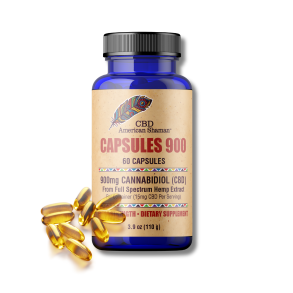
Hemp-derived ingredients appear within various nutritional supplements marketed toward general wellness support. Hemp seed oil, protein powder, and hemp extract serve as common supplement ingredients. Consumers incorporate hemp-based supplements into daily routines alongside balanced nutrition and exercise habits. Manufacturers formulate hemp supplements in capsule, powder, and liquid forms to suit different preferences. Ingredient transparency and third-party testing help consumers assess supplement quality before purchase. Growing interest in plant-based wellness products continues expanding hemp supplement availability across markets.33. CBD Oil Extraction
Hemp flowers serve as the primary source material for extracting cannabidiol used in wellness products. Extraction methods such as CO₂ or ethanol extraction separate cannabinoids from the plant material. The resulting extract is blended with a carrier oil to create a consumable final product. Manufacturers test extracted CBD oil for cannabinoid concentration, purity, and the absence of contaminants. Consumers incorporate the extract into daily wellness routines through tinctures, capsules, or topical applications. Growing consumer interest in hemp-derived wellness products continues expanding demand for CBD oil.34. Topical Creams and Balms
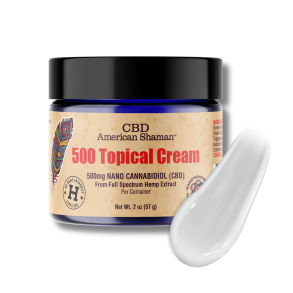
Hemp-derived ingredients appear within topical formulations marketed toward skin comfort and daily use. Hemp seed oil and CBD extract serve as common active ingredients within the products. Consumers apply the formulations directly to the skin as part of a personal care routine. Manufacturers blend hemp extract with moisturizing agents to improve texture and overall skin feel. Ingredient transparency helps consumers understand exactly what a given product contains before purchase. Growing interest in natural skincare continues supporting the availability of hemp-based topical creams.35. Cosmetic Ingredients
Hemp seed oil and hemp extract appear within various cosmetic formulations including lotions and serums. The oil contains fatty acids valued for their moisturizing properties within skincare products. Cosmetic brands incorporate hemp-derived ingredients to appeal to consumers seeking natural formulations. Manufacturers highlight hemp’s plant-based origin as a selling point within clean beauty marketing. Ingredient lists help consumers identify hemp-derived components within a given cosmetic product. Growing demand for natural beauty products continues expanding hemp ingredient use across the cosmetics industry.36. Shampoo and Conditioner
Hemp seed oil appears within shampoo and conditioner formulations marketed toward hair and scalp care. The oil contains fatty acids that contribute to hair texture and manageability. Manufacturers incorporate hemp oil alongside other natural ingredients within sulfate-free hair care lines. Consumers seeking plant-based hair care products often encounter hemp oil within ingredient lists. A lightweight texture allows hemp oil to blend well within various hair care formulations. Growing interest in natural personal care continues expanding hemp use within shampoo and conditioner products.37. Soap Production
Hemp seed oil serves as an ingredient within soap formulations valued for its moisturizing properties. The oil contributes to a smooth lather while supporting skin hydration during use. Artisan soap makers highlight hemp oil as a natural, plant-based ingredient. Manufacturers blend hemp oil with other natural oils to balance cleansing power with gentleness. Consumers seeking natural personal care products often choose hemp-based soap over synthetic alternatives. Growing demand for natural bath products continues supporting hemp oil use within soap production.38. Lip Balm
Hemp seed oil appears within lip balm formulations valued for its moisturizing and protective properties. The oil helps lock in moisture, reducing dryness and chapping on the lips. Manufacturers combine hemp oil with beeswax or plant-based waxes to create a protective barrier. Natural ingredient lists appeal to consumers seeking plant-based personal care alternatives. A lightweight texture allows hemp oil-based lip balm to apply smoothly without excessive residue. Growing interest in natural skincare continues supporting hemp oil use within lip balm formulations.39. Pet Food Ingredients
Hemp seed and hemp seed oil appear within certain pet food formulations marketed toward overall pet nutrition. The ingredients contain fatty acids that contribute to coat and skin health in animals. Pet food manufacturers incorporate hemp-derived ingredients as a plant-based nutritional addition. Regulatory approval for hemp-based pet food ingredients varies depending on region and product type. Consumers seeking natural pet food options often review ingredient lists for hemp-derived components. Growing interest in natural pet nutrition continues expanding hemp ingredient use within pet food products.40. Pet Supplements
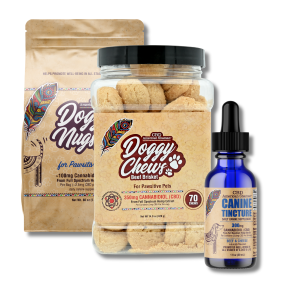
Hemp-derived ingredients appear within pet supplements marketed toward general wellness support in animals. Hemp seed oil and CBD extract serve as common ingredients within pet supplement formulations. Pet owners incorporate the supplements into daily routines alongside regular veterinary care. Manufacturers formulate pet supplements in chew, oil, or powder form to suit different animals. Consulting a veterinarian remains an important step before introducing a new supplement to a pet’s routine. Growing interest in options like CBD Oil for Cats continues expanding hemp supplement availability across pet wellness markets.41. Bioplastics
Hemp fiber serves as a raw material for producing biodegradable bioplastics used across various industries. The fiber blends with other plant-based polymers to create a moldable plastic alternative. Manufacturers use hemp-based bioplastics for packaging, automotive parts, and various consumer products. Biodegradability associated with hemp bioplastics reduces long-term environmental impact compared to petroleum-based plastics. Strength within hemp fiber allows bioplastic products to maintain structural integrity during use. Growing regulatory pressure on conventional plastics continues supporting research into hemp-based bioplastic alternatives.42. Composite Materials
Hemp fiber combines with resins to create composite materials used across construction and manufacturing industries. The composite offers a lightweight alternative to certain fiberglass or synthetic material products. Manufacturers value hemp-based composites for their strength-to-weight ratio within structural applications. Reduced environmental impact during hemp cultivation adds sustainability advantages over petroleum-based composite materials. Automotive, construction, and consumer goods industries increasingly explore hemp composite applications. Growing interest in sustainable materials continues supporting hemp fiber use within composite material production.43. Automotive Interior Panels
Hemp fiber composites serve as a lightweight material used within automotive interior door panels and trim. The material reduces overall vehicle weight compared to certain traditional plastic or metal components. Automakers value hemp-based panels for their combination of strength and reduced environmental impact. Manufacturers blend hemp fiber with resins to create durable, moldable interior components. Reduced petroleum reliance during production adds sustainability benefits within automotive manufacturing processes. Growing interest in sustainable vehicle materials continues supporting hemp fiber use within automotive interiors.44. Surfboards and Skateboards
Hemp fiber and hemp-based resin appear within surfboard and skateboard construction as sustainable material options. The fiber adds strength while reducing reliance on petroleum-based fiberglass materials. Manufacturers value hemp composites for their combination of durability and lighter environmental footprint. Board builders incorporate hemp fiber into layered construction to improve overall board strength. Consumers seeking eco-conscious sporting goods increasingly encounter hemp-based boards within specialty markets. Growing interest in sustainable sporting equipment continues expanding hemp fiber use within board manufacturing.45. Musical Instrument Components
Hemp fiber appears within certain musical instrument components (strings, cases, and structural reinforcement material). The fiber’s strength and resonance qualities appeal to manufacturers seeking natural material alternatives. Instrument makers incorporate hemp-based materials into cases designed for durability and lightweight transport. Sustainable material sourcing appeals to musicians seeking environmentally conscious instrument accessories. Manufacturers continue exploring hemp fiber’s acoustic properties within various instrument component applications. Growing interest in sustainable materials continues supporting hemp use within niche instrument manufacturing markets.46. 3D Printing Filament
Hemp fiber blends with biodegradable polymers to create filament used within 3D printing applications. The composite filament offers an alternative to standard petroleum-based printing materials. Manufacturers value hemp-based filament for its combination of strength and reduced environmental impact. Hobbyists and professionals use hemp filament to produce durable, lightweight printed components. Biodegradability associated with hemp filament adds sustainability advantages over conventional plastic-based options. Growing interest in sustainable manufacturing continues supporting hemp fiber use within 3D printing material development.47. Industrial Absorbents for Oil Spills
Hemp fiber serves as an absorbent material used to contain and clean up industrial oil spills. The fiber’s natural structure allows it to absorb liquid efficiently during cleanup operations. Industries use hemp-based absorbent pads and mats within spill containment and remediation efforts. Biodegradability allows used hemp absorbents to break down naturally after contaminant removal. Manufacturers process hemp fiber into mats, socks, and pads suited for various spill scenarios. Growing interest in sustainable industrial materials continues supporting hemp fiber use within absorbent product manufacturing.48. Natural Paint and Varnish Additives
Hemp seed oil serves as a natural additive within certain paint and varnish formulations. The oil contributes to a smooth finish while reducing reliance on petroleum-based solvents. Manufacturers value hemp oil for its drying properties within natural paint and varnish products. Consumers seeking low-toxicity paint options often encounter hemp oil within ingredient lists. Reduced volatile organic compound content associated with hemp-based paint adds an environmental advantage. Growing interest in natural home improvement products continues supporting hemp oil use within paint formulations.49. Handmade Crafts and Jewelry
Hemp fiber and hemp cord serve as popular materials within handmade crafts and jewelry making. The fiber’s natural texture and durability suit knotting, weaving, and beading techniques. Crafters value hemp cord for its strength and ability to hold intricate knots securely. Jewelry makers incorporate hemp fiber into bracelets, necklaces, and various handmade accessory designs. Natural coloring within hemp fiber appeals to crafters seeking an earthy, organic aesthetic. Growing interest in handmade, sustainable crafts continues supporting hemp fiber use within jewelry and craft markets.50. Sustainable Gift Products
Hemp-derived materials appear across various gift products marketed toward environmentally conscious consumers. Candles, soaps, textiles, and accessories made from hemp commonly appear within sustainable gift collections. Manufacturers highlight hemp’s biodegradability and lower environmental impact as key selling points. Gift retailers increasingly curate hemp-based product lines to appeal to eco-conscious shoppers. Packaging for hemp-based gifts often incorporates biodegradable materials to align with sustainability messaging. Growing consumer interest in eco-friendly gifting continues to expand hemp product availability within gift markets.What is Hemp?
Hemp is a variety of the Cannabis sativa plant grown for its fiber, seeds, and cannabinoids. Cultivation practices focus on maximizing the components rather than producing psychoactive compounds found in other cannabis varieties. The plant contains very low levels of THC, distinguishing it clearly from marijuana under most regulatory definitions. The low THC threshold allows hemp to be grown legally across numerous regions for commercial and industrial purposes. Hemp is widely used in industrial, food, and wellness products, ranging from textiles and construction materials to nutritional supplements and skincare items. Nearly every part of the plant, including the stalk, seeds, and flowers, serves a distinct practical application. Understanding What is Hemp helps clarify why the crop continues to expand across so many different industries today.Where does Hemp Come From?
Hemp comes from the Cannabis sativa species, a plant with a long documented history across multiple regions worldwide. It has been cultivated for thousands of years, with historical evidence pointing to early use across Asia, Europe, and beyond. Ancient civilizations relied on the plant for fiber, food, and various practical applications long before modern industrial uses emerged. Today, it is grown for industrial and commercial uses, ranging from textiles and construction materials to food products and wellness items. Regional climate and soil conditions continue to influence where hemp cultivation thrives most successfully around the world. Modern farming practices have refined hemp varieties further, focusing on traits suited to specific commercial applications.Is Hemp a Type of Cannabis?
Yes, hemp is a type of cannabis. It is a variety of Cannabis sativa with low THC content, setting it apart from other cannabis varieties grown for psychoactive use. The type distinguishes it from marijuana under many laws, allowing hemp cultivation to proceed within specific regulatory thresholds across various regions. The two plants share a common species origin, though selective breeding has shaped each toward markedly different chemical profiles. Hemp’s chemical composition includes a range of naturally occurring compounds, an area explored further through topics like Cannabis Terpenes. Understanding the distinction helps clarify why hemp remains legal for cultivation in places where marijuana faces stricter regulation.What does a Hemp Plant Look Like?
Hemp plants display tall, slender stalks that can reach heights between four and fifteen feet depending on cultivation conditions. Palmate leaves extend outward in a distinctive fan-shaped pattern, typically containing between five and eleven pointed leaflets per cluster. Stalks appear fibrous and woody near maturity, supporting the plant’s tall, upright growth habit throughout the season. Flowering hemp plants develop small clusters of buds near the top, varying in density depending on variety and cultivation purpose. Coloration ranges from deep green to lighter shades depending on sunlight exposure and growing region.How Can You Identify a Hemp Plant?
You can identify a hemp plant by following the five steps. First, examining the leaf structure reveals a palmate shape with narrow, serrated leaflets arranged in a fan pattern. Second, checking stalk thickness and height helps distinguish hemp from shorter, bushier cannabis varieties grown for different purposes. Third, noting the plant’s growth pattern shows a tall, sparse structure with less dense foliage compared to marijuana varieties. Fourth, observing flower clusters near maturity reveals a less compact bud structure than plants bred for higher cannabinoid concentration. Lastly, considering the surrounding cultivation context, such as field spacing and crop density, offers additional clues toward proper identification.Can Hemp be Identified Before It Flowers?
Yes, hemp can be identified before it flowers through early growth characteristics. Leaf structure remains a reliable identifier even during vegetative growth, showing the same palmate shape found in mature plants. Stalk thickness and overall plant height also provide useful clues well before flowering begins. Growing patterns, including wider field spacing typical of industrial hemp cultivation, offer additional early identification signals. Genetic testing remains the most definitive method for confirming hemp identity before flowering, particularly for regulatory compliance purposes. Visual identification alone carries some limitations during very early growth stages.How are Hemp and Marijuana Classified?
Hemp and marijuana are classified based on their THC content rather than any difference in plant species. Hemp and marijuana terms refer to varieties of Cannabis sativa, distinguished legally through the concentration of tetrahydrocannabinol present within the plant. Regulatory agencies typically define hemp as containing THC levels below a specific legal threshold, often set at 0.3 percent by dry weight. Marijuana refers to cannabis varieties exceeding the threshold, classified separately due to their psychoactive potential and stricter regulatory oversight. Legal classification determines how each plant type can be cultivated, sold, and regulated across different jurisdictions worldwide. Testing for THC concentration remains the primary method used to assign proper classification to a given crop, typically conducted through laboratory analysis. Farmers growing hemp must regularly verify THC levels throughout cultivation to ensure the crop remains within the legal classification threshold.What Is the Difference Between Hemp and Marijuana?
Hemp and marijuana come from Cannabis sativa but differ in THC content. Hemp contains very little THC, while marijuana contains enough to produce intoxication when consumed. The chemical distinction shapes how each plant type gets used for different commercial and medical purposes across various industries. Hemp typically supports industrial, nutritional, and wellness applications, while marijuana serves recreational and certain medical markets depending on regional legality. Regulatory frameworks treat the two plant types very differently, with hemp facing fewer restrictions in many regions due to its low THC profile. Reviewing What Is The Difference Between Hemp and Marijuana helps clarify why the two plant types occupy such different legal and commercial spaces.Does Hemp Have THC?
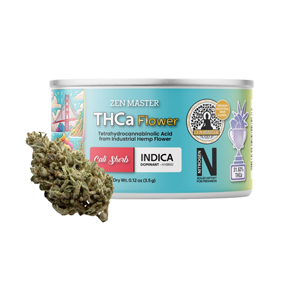
Yes, hemp has THC. The amount remains very low, typically below the legal limit set in many countries for classification as industrial hemp. THC levels vary depending on local regulations and hemp variety, with specific breeding programs aimed at keeping concentrations well within compliance thresholds. Testing conducted throughout cultivation and processing confirms that THC content stays below the applicable legal limit before products reach consumers. Trace THC levels found in hemp do not produce cognitive effects when consumed at regulated concentrations. Exploring related compounds, including topics like What Is THCa, helps clarify the broader cannabinoid profile found within hemp plants.How are Hemp Products Different?
Hemp products are different for the reasons listed below.- Hemp Fiber: Hemp fiber gets used for textiles and rope, valued for its strength and durability. Manufacturers process the fiber into fabric, cordage, and various industrial materials.
- Hemp Seeds: Hemp seeds are used for food and nutrition, offering protein and healthy fats within various diets. Consumers incorporate the seeds into snacks, baked goods, and nutritional supplements.
- Hemp Seed Oil: Hemp seed oil is used in food and skincare products, valued for its fatty acid content. Manufacturers incorporate the oil into cooking products and topical formulations.
- CBD Products: CBD products contain cannabidiol extracted from hemp, commonly sold as tinctures, capsules, or topical items. Consumers use the products within daily wellness routines.
- Industrial Materials: Industrial materials derived from hemp appear in paper, plastics, and construction applications. Manufacturers value hemp fiber for its renewability and structural strength across uses.